9-feb-17

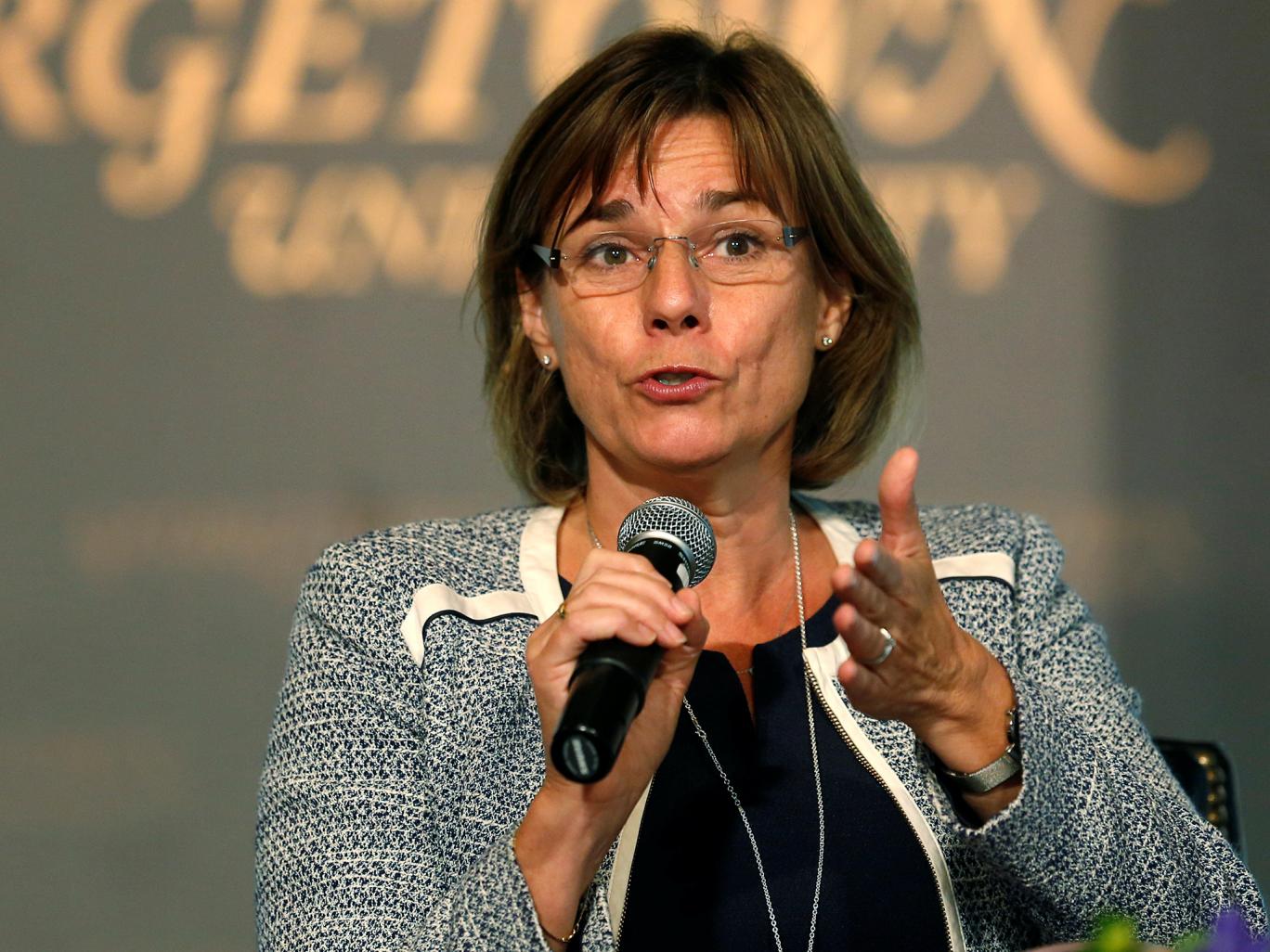
Eight countries have joined an initiative to raise millions of dollars to replace shortfalls caused by President Donald Trump’s ban on US-funded groups around the world providing information on abortion, Sweden’s deputy prime minister said.

Isabella Lovin told Reuters a conference would be held on March 2 in Brussels to kick-start the funding initiative to help non-governmental organisations whose family planning projects could be affected.

The Netherlands announced in January the launch of a global fund to help women access abortion services, saying Trump’s “global gag rule” would cause a funding shortfall of $600 million over the next four years.

Sweden, Denmark, Belgium, Luxembourg, Finland, Canada and Cape Verde have all lent their support, Lovin said.

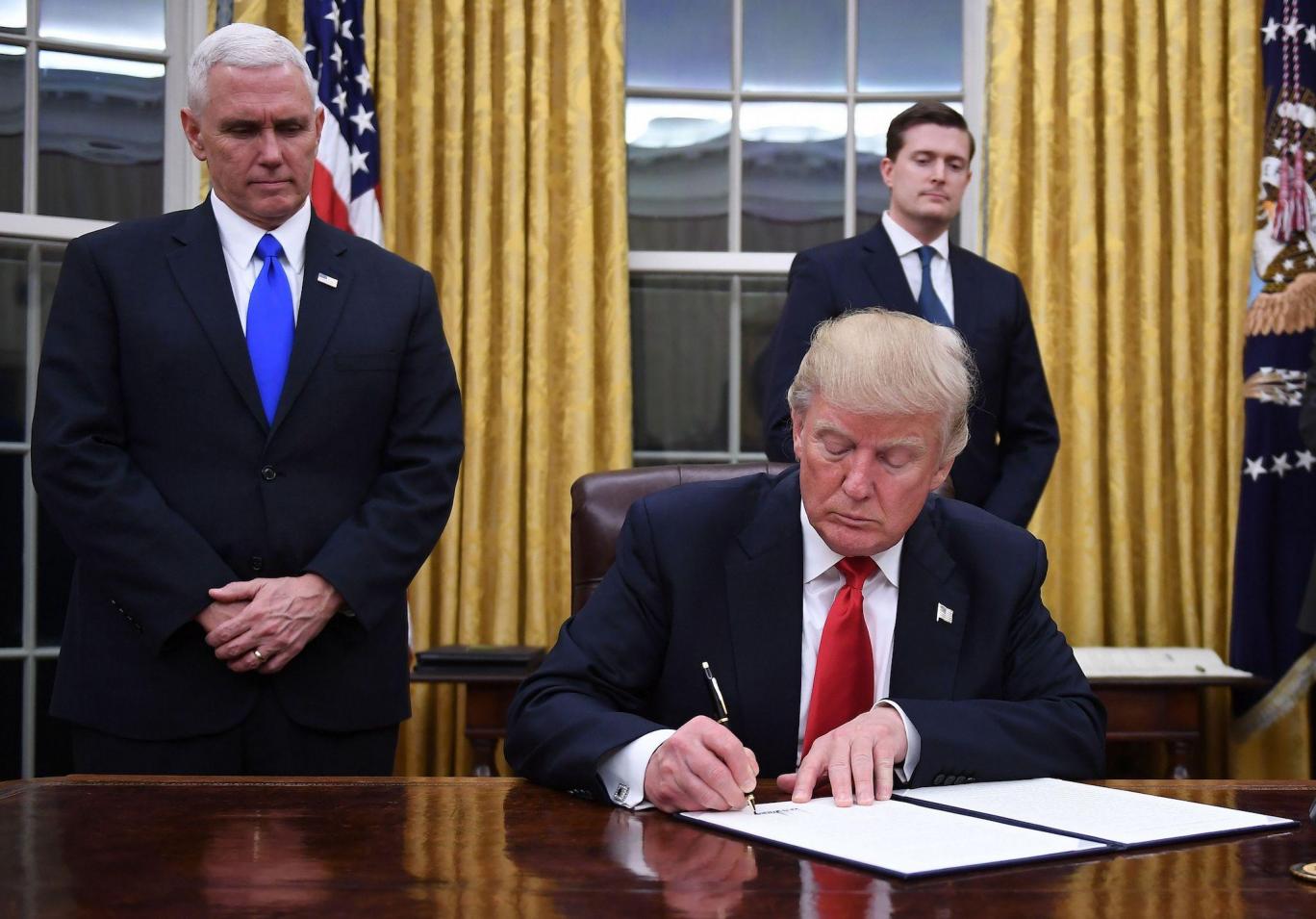
“(The gag order) could be so dangerous for so many women,” said Lovin who posed for a photograph this month with seven other female officials signing an environmental bill, in what was seen a response to a photograph of Trump signing the gag order in the White House with five male advisors.

The global gag rule, which affects US non-governmental organisations working abroad, is one that incoming presidents have used to signal their positions on abortion rights. It was created under US President Ronald Reagan in 1984.

Trump signed it at a ceremony in the White House on his fourth day in office. Barack Obama lifted the gag rule in 2009 when he took office.

“If women don’t have control over their bodies and their own fate it can have very serious consequences for global goals of gender rights and global poverty eradication,” Lovin said.

Source: Independent

http://www.independent.co.uk/news/world/europe/donald-trump-abortion-clinic-funding-cut-global-gag-rule-eight-countries-raise-money-sweden-a7570596.html

8-feb-17

Denmark announces ‘alliance of like-minded countries’ lobbying to support international aid providers after US President withdrew funding

An alliance of European countries is fighting to replace funds for family planning services following Donald Trump’s reinstatement of the “global gag rule” blocking US financing of groups that give women information about terminations.

Denmark’s development aid minister Ulla Toernaes said “an alliance of like-minded European countries” was lobbying the EU to support international aid providers after the US President withdrew funding.

Ms Toernaes said Denmark would give 75 million kroner (£8.6m) to organisations impacted by the US ban in a bid to “reduce the number of unwanted pregnancies, unsafe abortions and deaths due to pregnancy and childbirth”.

The countries involved in the alliance have not been revealed, but it comes just a month after the Dutch government announced a similar measure to finance access to birth control, abortion and education for women in developing countries.

Lilianne Ploumen, the Netherlands’ minister for foreign trade, announced the plan in response to the Donald Trump’s executive order, which was designed to restrict access to information on abortion for women who are in receipt of aid from international development groups.

Known as the Mexico City Policy or the “global gag” rule, the ban was one of Mr Trump’s first actions upon entering office last month.

The rule was first introduced in 1984 by Ronald Reagan. It has been retracted and reinstated numerous times since then by successive governments, with Democrats against the rule and Republicans in favour of it.

However, this time it has been put forward in its most extreme form yet, campaigners say, having been expanded to withdraw funding not only from reproductive health services but from an organisation’s entire health budget if they provide or offer information about abortion.

It also affects civil society programmes, such as contraception provision, and campaigns for LGBT communities and teenage girls and many fear it will have a devastating impact on work to combat HIV, Aids, cervical cancer and Zika.

Ms Ploumen said the Dutch fund could be supported by governments, businesses and social organisations concerned by the US President’s actions in order to “compensate this financial setback as much as possible”.

“This has far-reaching consequences. First of all, for all those women who have to make, if they want to have a child, a choice, but also for their husbands and children and society as a whole,” she said.

“Banning abortion does not lead to fewer abortions. It leads to more irresponsible practices in back rooms and more maternal deaths.”

She also quoted figures from Marie Stopes International, one group which would lose funding under the initiative, suggesting up to 14 women a day could die as a result.

The policy has been criticised by many women’s rights and healthcare groups who fear the lives of women and girls may be put at risk by the policy, either due to continuing risky pregnancies or attempting to perform terminations dangerously.

According to the World Health Organisation, 47,000 women die from complications of unsafe abortion each year, one of the five main causes of maternal mortality worldwide.

Source: Independent

http://www.independent.co.uk/news/world/europe/europe-unites-denmark-netherlands-international-abortion-groups-donald-trump-aid-ban-global-gag-rule-a7568051.html

7-feb-17

Who will be affected?

The primary victims of defunding Planned Parenthood would be women of reproductive age who are on Medicaid, which is the largest source of reproductive health care coverage in the U.S. The Kaiser Family Foundation reported that 17% of all women ages 19-64 are on Medicaid as of 2015, and the insurance provider finances almost half of all U.S. births and 75% of publicly-funded family planning services.

Revoking Medicaid coverage would particularly impact women of color. A 2012 Kaiser study revealed that while only 9% of white women are covered by Medicaid, the insurer covers 21% of African-American women, 18% of Hispanic women, 22% of Native American/Alaskan Native women and 10% of Asian/Pacific Islander women.

Similarly, women who take advantage of Title X programs — who, the National Abortion and Reproductive Rights Action League reported, are often ineligible for Medicaid — are also disproportionately women of color. While African-American and Hispanic women make up 13% and 17% of the total population, respectively, they make up 21% and 30% of all Title X clients, NARAL reported.

Planned Parenthood is not the only publicly funded family planning clinic for these low-income women, but it is the one they depend on the most. Though Planned Parenthood clinics only make up 11% of all publicly-funded family planning health centers, the organization reports that they provide services to 36% of women who need publicly-funded care.

Opponents of Planned Parenthood have pointed to these other clinics as an alternative for low-income women seeking care. That solution, however, seems to be untenable in reality. Funding cuts to Title X have already forced many public clinics to close or reduce their hours, and community health centers, Health Affairs Blog noted, are unprepared to deal with an influx of Planned Parenthood patients and also provide other services that prevent them from dedicating more resources to women’s health.

In many areas, there aren’t many other alternatives to Planned Parenthood to begin with.

“I think the notion that people would automatically have another provider is erroneous,” Planned Parenthood Michigan President and CEO Lori Carpentier told an ABC affiliate in her home state. “By definition, Planned Parenthood’s work to place their health centers in areas where patients are often under served, especially patients who utilize the Medicaid program, so the notion that people can [go] elsewhere is just wrong, so many people will go without care.”

Any possible alternatives Republicans have in mind might also be woefully unequipped to provide reproductive care services. When the state of Louisiana attempted to strip the organization’s funding, the list of alternative providers their attorneys drew up included such inappropriate suggestions as dentists, cosmetic surgeons and nursing home caregivers.

The personal cost of defunding

The greatest impact defunding Planned Parenthood will have, of course, is on the lives of the women it helps. The organization revealed that in 2010, publicly funded family planning services helped to prevent two million pregnancies, and both abortion and unintended pregnancy rates would have been 68% higher without its help.

States that have already made the choice to defund Planned Parenthood have illustrated how disastrous this move can be. Texas, most notably, severely cut its family planning funding and de-prioritized Planned Parenthood in 2011 before going on to completely cut Medicaid funding for the organization in 2013 — and the effects were devastating.

A study published in the New England Journal of Medicine revealed that after Texas excluded Planned Parenthood from its funding, the number of requests for long-acting reversible contraceptive methods, such as IUDs, decreased dramatically in counties that had Planned Parenthood clinics, while the number of childbirths increased among women who previously used these contraceptive methods before the funding cuts.

A separate study published in the American Journal of Public Health found that women’s health organizations served 54% fewer clients in 2012-2013 than they did in 2011, prior to the funding cuts. Title X clinics, such as Planned Parenthood, are also notable in that they allow underage women to obtain care without parental consent or notification, as well as provide coverage to undocumented immigrants. Without this federal funding, the study noted, teenagers and immigrants have fewer options for care.

An analysis conducted by the state’s government, similarly, projected that 283,909 women would lose access to family planning services in 2012-2013 and there would be an additional 20,511 births. Most dramatically, a study published in Obstetrics & Gynecology revealed that the maternal mortality rate in Texas doubled following their funding cuts.

Texas restored much of its funding in 2013, but its effects are still felt by Texan women seeking care. A May 2015 study by the Texas Policy Evaluation Project revealed 55% of women in the state have at least one barrier preventing them from accessing reproductive health care. A January 2016 NPR article reports that only 22% of women who qualify for subsidized women’s health care actually receive it.

Other states, too, have paid a harsh price for their efforts to combat Planned Parenthood. When Kansas took steps to defund Planned Parenthood in 2014 through Title X funding, the number of residents receiving Title X services decreased by 37%. In Indiana, Vice President Mike Pence slashed Planned Parenthood’s funding as governor — and it resulted in a massive HIV epidemic.

Economic impact of defunding

In addition to the personal cost faced by Planned Parenthood’s low-income patients, defunding Planned Parenthood has an economic cost. For every $1 invested in federal family planning services, the Guttmacher Institute revealed that the American taxpayer saves $4 in unintended pregnancy Medicaid costs and $7 in total costs, which includes not only pregnancy and birth costs, but also such costs from such conditions as cervical cancer, HIV and sexually transmitted diseases and infertility.

In total, family planning services save taxpayers $13.6 billion. A 2015 study by the Congressional Budget Office concluded that because of the additional costs that would be incurred by the higher birth rate among women with Medicaid, permanently defunding Planned Parenthood would increase Medicaid spending by $130 million over a ten-year period.

Republican legislators now have to ask themselves: Is denying health care to millions of women worth the cost?

Source: MIC

https://mic.com/articles/167625/this-is-what-happens-once-you-ve-defunded-planned-parenthood#.JsiqNFTBo

6-feb-17

One of the first ways a new president is able to exercise political power is through unilateral executive orders.

While legislative efforts take time, a swipe of the pen from the White House can often enact broad changes in government policy and practice.

President Donald Trump has wasted little time in taking advantage of this privilege.

Given his predecessor’s reliance on executive orders to circumvent Congress in the later days of his presidency, he has a broad range of areas in which to flex his muscle.

Here’s a look at some of what Mr Trump has done so far:

Business regulations

An attempt to cut down on the burden of small businesses.

Described as a “two-out, one-in” approach, the order asked government departments that request a new regulation to specify two other regulations they will drop.

The Office of Management and Budget (OMB) will manage the regulations and is expected to be led by the Republican Mick Mulvaney.

Some categories of regulation will be exempt from the “two-out, one-in” clause – such as those dealing with the military and national security and “any other category of regulations exempted by the Director”.

Immediate impact: Wait and see.

Travel ban

Probably his most controversial action, so far, taken to keep the country safe from terrorists, the president said.

It included:

  • suspension of refugee programme for 120 days, and cap on 2017 numbers
  • indefinite ban on Syrian refugees
  • ban on anyone arriving from seven Muslim-majority countries, with certain exceptions
  • cap of 50,000 refugees

The effect was felt at airports in the US and around the world as people were stopped boarding US-bound flights or held when they landed in the US.

Immediate impact: Enacted pretty much straight away. But there are battles ahead. Federal judges brought a halt to deportations, and legal rulings appear to have put an end to the travel ban – much to the president’s displeasure.

Border security

On Mr Trump’s first day as a presidential candidate in June 2015, he made securing the border with Mexico a priority.

He pledged repeatedly at rallies to “build the wall” along the southern border, saying it would be “big, beautiful, and powerful”.

Now he has signed a pair of executive orders designed to fulfil that campaign promise.

One order declares that the US will create “a contiguous, physical wall or other similarly secure, contiguous, and impassable physical barrier”.

The second order pledges to hire 10,000 more immigration officers, and to revoke federal grant money from so-called “sanctuary cities” which refuse to deport undocumented immigrants.

It remains to be seen how Mr Trump will pay for the wall, although he has repeatedly insisted that it will be fully paid for by the Mexican government, despite their leaders saying otherwise.

Steps before building can start

Immediate impact: The Department of Homeland Security has a “small” amount of money available (about $100m) to use immediately, but that won’t get them very far. Construction of the wall will cost billions of dollars – money that Congress will need to approve. Senator Majority Leader Mitch McConnell has said the Republican-led Congress will need to come up with $12-$15bn more, and the funding fight – and any construction – will come up against issues with harsh terrain, private land owners and opposition from both Democrats and some Republicans.

The department will also need additional funds from Congress to hire more immigration officers, but the order will direct the head of the agency to start changing deportation priorities. Cities targeted by the threat to remove federal grants will likely build legal challenges, but without a court injunction, the money can be removed.

Two orders, two pipelines

On his second full working day, the president signed two orders to advance construction of two controversial pipelines – the Keystone XL and Dakota Access.

Mr Trump told reporters the terms of both deals would be renegotiated, and using American steel was a requirement.

Keystone, a 1,179-mile (1,897km) pipeline running from Canada to US refineries in the Gulf Coast, was halted by President Barack Obama in 2015 due to concerns over the message it would send about climate change.

The second pipeline was halted last year as the Army looked at other routes, amid huge protests by the Standing Rock Sioux Tribe at a North Dakota site.

Steps before it can happen

Immediate impact: TransCanada, the Keystone XL builder, has resubmitted their permit proposal, but the project will likely attract legal battles on the state level. The Army Corps of Engineers will continue its review of the Dakota Access pipeline route, but the executive order could speed up the process – and set the stage for a final route approval by a political appointee.

Instructing federal agencies to weaken Obamacare

In one of his first actions as president, Mr Trump issued a multi-paragraph directive to the Department of Health and Human Services and other federal agencies involved in managing the nation’s healthcare system.

The order states that agencies must “waive, defer, grant exemptions from, or delay” any portions of the Affordable Care Act that creates financial burden on states, individuals or healthcare providers.

Although the order technically does not authorise any powers the executive agencies do not already have, it’s viewed as a clear signal that the Trump administration will be rolling back Obama-era healthcare regulations wherever possible.

Steps before it can happen

Immediate impact: Not much, unless it’s interpreted very broadly by the new Health Secretary and individual states. But it’s probably more likely to influence how Congress proceeds with its repeal efforts.

Re-instating a ban on international abortion counselling

What’s called the Mexico City policy, first implemented in 1984 under Republican President Ronald Reagan, prevents foreign non-governmental organisations that receive any US cash from “providing counselling or referrals for abortion or advocating for access to abortion services in their country”, even if they do so with other funding.

The ban, derided as a “global gag rule” by its critics, has been the subject of a political tug-of-war ever since its inception, with every Democratic president rescinding the measure, and every Republican bringing it back.

Anti-abortion activists expected Mr Trump to act quickly on this – and he didn’t disappoint them.

Immediate impact: The policy will come into force as soon as the Secretaries of State and Heath write an implementation plan and apply to both renewals and new grants. It will be much broader than the last time the rule was in place – the Guttmacher Institute, Kaiser Family Foundation and Population Action International believe the order, as written, will apply to all global health funding by the US, instead of only reproductive health or family planning.

Freezing federal government hiring

On Mr Trump’s first full workday in the White House he issued a directive to federal agencies to halt any new government hiring.

He told reporters who had gathered for the signing that the freeze would not affect military spending.

The directive is part of Mr Trump’s effort to reduce government debts and decrease the size of the federal workforce.

During his campaign, he frequently railed against government bureaucracy, and vowed to “drain the swamp” of corrupt governance.

Immediate impact: A hiring freeze is immediate, and is expected to last 90 days. The order allows exceptions under broad categories, including military, public safety, as well as case by case exceptions by the Office of Management and Budget.

Withdrawing from the Trans-Pacific Partnership

The Trans-Pacific Partnership, once viewed as the crown jewel of Barack Obama’s international trade policy, was a regular punching bag for Mr Trump on the campaign trail (although he at times seemed uncertain about what nations were actually involved).

The deal was never approved by Congress so it had yet to go into effect in the US.

Therefore the formal “withdrawal” is more akin to a decision on the part of the US to end ongoing international negotiations and let the deal wither and die.

Immediate impact: Takes effect immediately. In the meantime, some experts are worried China will seek to replace itself in the deal or add TPP nations to its own free trade negotiations, the Regional Comprehensive Economic Partnership (RCEP), excluding the US.

Source: BBC

http://www.bbc.com/news/world-us-canada-38695593

5-feb-17

This is ending a wanted pregnancy.  This is late-term abortion. It was not wanted. It was not a ‘way out’. It was not birth control.”

A DEVASTATED mum has shared the story of her “late-term abortion” to silence critics who don’t believe in a woman’s right to choose.

Lindsey Paradiso, a photographer based in Virginia, was delighted when she learned she would be having a baby with her husband, Matt.

The couple were delighted when they learned they were having a baby, but the pregnancy ended in heartbreak

But the pregnancy ended in heartbreak, after Lindsey discovered at 18 weeks that something wasn’t right with her daughter Omara.

A routine ultrasound revealed a mass on the baby’s neck, which doctors believed was a rare tumour called a teratoma.

The devastated mum continued with the pregnancy, in the hope that doctors could operate at 27 weeks to remove the tumour and safely deliver the baby, once it had grown enough to survive the procedure.

To the couple’s horror, scans revealed that the baby’s tumour was aggressively growing

But weeks later it became apparent that this was no longer an option, when an MRI scan confirmed that the tumour had tripled in size and was growing all over her baby’s body.

Checking with doctors all over the state revealed that the chance of Omara’s survival had plummeted to less than 1%, with the tumour aggressively growing in her brain.

Doctors believed that the tumour would kill Omara before she reached 27 weeks, at which point the growth would be too large for Lindsey to give birth without surgery.

The couple live in one of many American states with restrictive laws on abortion.

Lindsey said: “I was willing to risk never having kids again with the procedure if it meant Omi could survive, but now that we knew she would probably die before viability, the thought of also being infertile was too much for us.”

The couple chose to have a lethal injection administered to the baby, at which point labour could be induced.

After an induced and painful labour, Lindsey gave birth to her daughter in hospital.

Lindsay said: “Our hospital couldn’t do it, so we traveled about an hour away — and we were lucky, because a lot of parts of Virginia are very restrictive.

“I was in labour for 40 hours, it was so painful and exhausting but I wanted to deliver my daughter so I could hold her and say goodbye.”

Like many American states, Virginia has restrictive abortion laws, which mean it can be hard for women to terminate pregnancies without exceptional circumstances.

The couple had a lethal injection administered before labour was induced

Fearing that reproductive rights would be threatened further under pro-life Donald Trump’s Presidency, Lindsey found the courage to share her story in an attempt to clarify what late-term abortion really is.

A viral Facebook post, which she recently re-shared, details her heartbreaking story, complete with photos of her daughter after the procedure.

Lindsey wrote: “This is ending a wanted pregnancy.  This is late-term abortion.

“It was not wanted. It was not a ‘way out’. It was not birth control.

“The government does not belong here.”

Lindsey’s story went viral after she shared her experiences on Facebook

Lindsey shared her heartbreaking story to raise awareness of the need for more reproductive rights

Source: The Sun

https://www.thesun.co.uk/living/2789427/heartbroken-woman-who-had-abortion-at-23-weeks-shares-her-story-in-response-to-donald-trumps-pro-life-stance/

3-feb-17

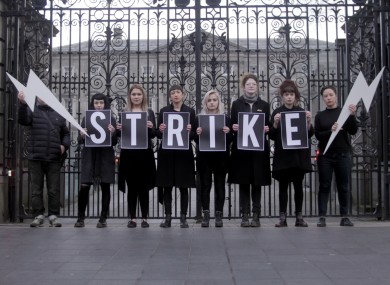
VARIOUS GROUPS REPRESENTING feminist and pro-choice activists are supporting a threat to strike unless a referendum on the Eighth Amendment is called by the government by the 8 March.

‘Strike 4 Repeal’ describe themselves as an “ad-hoc, non-affiliated group of activists, academics, artists and trade unionists”; the groups supporting the strike include the Abortion Rights Campaign, Outhouse, the Anti-Racism Network and Sex Workers Alliance Ireland.

Various college pro-choice groups and feminist societies are also in support.

In a statement, Strike 4 Repeal said the strike would not be an industrial strike in the traditional sense.

[It] could include taking an annual leave day off work, refraining from domestic work for the day, wearing black in solidarity and staging a walkout during your lunch break.
We ask business owners to consider closing their services for all or part of the day as a solidarity action.

Spokesperson Avril Corroon says “We share the concern of many pro-choice groups that the Citizen’s Assembly is no more than a hollow pretense of progress”.

Aoife Frances says that they “believe a national strike is not only possible, but an incredible opportunity to show the sheer power of our movement, and to put pressure on the government to call a referendum.

“In the past five years, support for repeal has grown to a level that the government can no longer ignore.”

In Ireland, the result of a referendum must be then passed into law by government.

Source: The Journal IE

http://www.thejournal.ie/abortion-strike-3200038-Jan2017/

2-feb-17

Apparent draft decree reflects conservative Christian stances on controversial social issues

The Donald Trump administration is preparing to enshrine specific religious beliefs in executive policy—including that premarital sex is wrong, that marriage “is or should be recognised” as between a man and a woman, that life begins at conception and that the words “male and female” refer to “immutable biological sex” assigned at birth.

A leaked document that purports to be a new executive order claims to “respect religious freedom” and appears to reflect conservative Christian and Catholic beliefs. If signed, it will seek to shield people or organisations receiving federal funds that espouse and act on such beliefs, even if they are made in the course of their employment or contract, from punitive government action. It is likely to worry the country’s LGBT community, which has fought for protection from discrimination.

The draft order seeks to protect the tax-exempt status of organisations that propound those beliefs, as well as to block “adverse action” against groups that discriminate, on religious grounds, in the provision of adoption and fostering services. White House spokesman Sean Spicer declined to get “ahead of the executive orders that we may or may not issue”. “We have nothing on that front now,” he added.

It further provides for total exemption on religious grounds for people or groups who object to providing employee health insurance that includes contraception, currently mandated under the Affordable Care Act. Some limited exemptions did already exist.

Legal experts told The Nation, which first published the leaked draft in conjunction with The Investigative Fund, that if signed by President Trump the order would likely violate the Establishment Clause of the US Constitution, commonly referred to as the separation of church and state.

Marty Lederman, a professor from Georgetown University’s Law Centre, told the magazine: “This executive order would appear to require agencies to provide extensive exemptions from a staggering number of federal laws—without regard to whether such laws substantially burden religious exercise.”

In full, the specific beliefs that are among those the order looks to protect from action under tax exemption rules are: “the belief that marriage is or should be recognised as the union of one man and one woman, sexual relations are properly reserved for such a marriage, male and female and their equivalents refer to an individual’s immutable biological sex as objectively determined by anatomy, physiology, or genetics at or before birth, and that human life begins at conception and merits protection at all stages of life”.

The Treasury Secretary is charged with ensuring that penalties are not imposed for a “person or organisation [that] believes, speaks, or acts (or declines to act) in accordance” with those positions.

The order’s provision on the point at which human life begins chimes with the beliefs of Vice President Mike Pence, who last Friday attended the anti-abortion March For Life, for which Mr Trump also tweeted his “full support”.

Mr Pence told marchers: “This administration will work with Congress to end taxpayer funding of abortion and abortion providers.”

“Life is winning again in America,” he added.

The draft order would also require the Health Secretary “to ensure that the federal government shall not discriminate or take any adverse action against a religious organisation that provides federally-funded child-welfare services, including promoting or providing adoption, foster, or family support services for children, or similar services, on the basis that the organisation declines to provide, facilitate, or refer such services due to a conflict with the organization’s religious beliefs”.

Source: The Independent

http://www.independent.co.uk/news/world/americas/donald-trump-executive-order-christian-pre-marital-sex-same-sex-marriage-abortion-wrong-religious-a7558691.html

1-feb-17

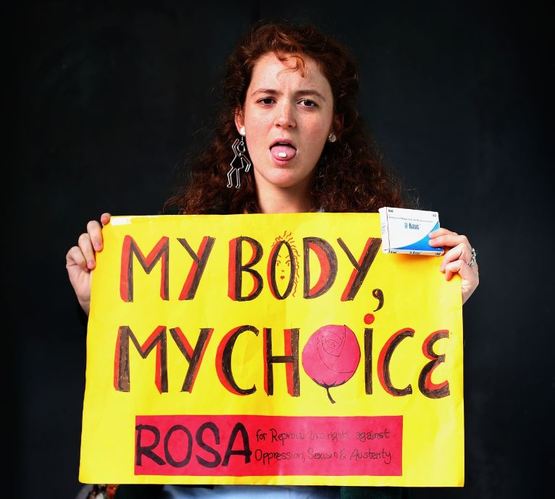
ROSA IRELAND IS planning to distribute abortion pills to cities and universities around Ireland.

The organisation is part of the movement calling for the Eighth Amendment of the Constitution, which gives equal status to the unborn and the mother, to be repealed.

The ‘Bus 4 Repeal’ will start its journey in Dublin on 6 March before travelling to a number of cities and universities, and returning to the capital on 8 March.

In a statement, Rosa said the purpose of the tour is “both to provide direct assistance to those in need of safe abortion pills and to campaign for the repeal of the Eighth Amendment to legalise abortion in Ireland”.

The planned route is as follows:

Monday 6 March
University College Dublin
Waterford IT
Cork City

Tuesday 7 March
University College Cork
Limerick City
Galway City

Wednesday 8 March
NUI Galway
NUI Maynooth
Dublin City

The Citizens’ Assembly, made up of a chairperson and 99 citizens, has held a number of hearings about abortion and is expected to deliver a report in the coming months on whether or not a referendum on repealing the Eighth Amendment should take place.

The assembly received over 13,000 submissions about the issue. Both pro- and anti-amendment groups had encouraged members of the public to submit their views for consideration.

Source: The Journal IE

http://www.thejournal.ie/abortion-pills-bus-3216154-Feb2017/


29-jan-2016

Donald Trump’s pro-abortion funding ban has infuriated many global health organisations as they say it will unintentionally lead to more abortions and more deaths in Africa.

The US president signed the executive order to stop federal money going to international groups which perform or provide information on abortions during his first week in office.

Known as the “Mexico City Policy”, or global gag rule by critics, it was no surprise that he reinstated it. First introduced by Ronald Reagan in 1984, it has been become a game of policy ping pong between Republican and Democrat presidents.

Supporters of the ban say it protects the fundamental right to life.

But some health workers in Africa say when it was last put in place under George W Bush in 2001, it had far-reaching consequences.

“Women could not have access to contraceptive services and so they were getting unintended pregnancies and that increased the number of unwanted pregnancies and as such they went to the backstreet to do unsafe abortions,” says Kenyan gynaecologist Dr John Nyamu.

The policy blocks US funding to overseas organisations that “support or participate in the management of a programme of coercive abortion or involuntary sterilisation”.

It even affects countries like Kenya – where abortion is illegal unless a mother’s life is at risk – as some family planning clinics or organisations get their funding from US pro-abortion groups.

‘Malaria and HIV care in danger’

The Trump order goes even further than previous Republican administrations, which only targeted reproductive health services, by extending the ban to cover all global health assistance provided by all departments or agencies.

“By removing funding from organisations that also deal with malaria and other child health issues, the policy could threaten progress on many fronts, including efforts to reduce HIV-related deaths and new infections, and decrease childhood mortality through malaria prevention and treatment initiatives and immunisation programs,” Medecins Sans Frontieres (MSF) said in a statement.

The medical charity does not receive US government funding – so is not affected by the policy – but it fears that women’s lives could be endangered.

Unsafe abortion is one of the five main causes of maternal mortality, accounting for 13% of cases, according to the World Health Organization (WHO).

The Mexico City Policy is based on the US Republican party’s pro-life position, which has resonance with much of socially conservative Africa, where abortion is largely illegal.

Abortion on demand can only be offered in four out of 54 African countries, according to the UN’s World Abortion Policies report.

But the continent carries the biggest burden of unsafe abortions, according to the WHO.

Clinics may close

Marie Stopes International’s projections for Nigeria suggest the policy will have a big impact on women’s health in Africa’s most populous country.

“Without US funding, from 2017 to 2020, over 1.8 million unintended pregnancies will probably occur; more than 660,000 abortions will happen and over 10,000 maternal deaths will not be averted,” says Effiom Effiom, country director for Marie Stopes in Nigeria.

The International Planned Parenthood Federation (IPPF) regional office in Africa says it will lose up to $100m (£80m) in US funding meant for sexual and reproductive health services for millions of women and girls who would otherwise go without these vital services as it refuses to abide by the gag rules.

“Over the years USAid has been a huge supporter of family planning – with a budget of over $600m per year. Reinstatement will mean that years of progress to increase access to essential services globally, will be lost,” it said in a statement.

IPPF works with affiliates in 30 African countries including at least a dozen clinics in Kenya, five of which shut down the last time the Mexico City Policy was reinstated.

But it has struck a defiant note, saying it will work to bridge the funding and services gaps as the Dutch government has done with plans for an international fund to finance access to birth control in countries hit by the cuts.

“We cannot and will not – deny life-saving services to the world’s poorest women,” IPPF said.

http://www.bbc.com/news/world-africa-38768901

Source: BBC

28-jan-17

AMSTERDAM, Jan 28 (Reuters) – The Netherlands has committed $10 million for an initiative to replace funding for abortion services in developing countries that will be lost due to U.S. President Donald Trump’s ban on financing foreign groups that provide abortions.

Trump reinstated a policy on Monday requiring overseas organizations that receive U.S. family-planning funds to certify they do not perform abortions or provide abortion advice as a method of family planning.

The Netherlands, which has some of the world’s most liberal laws on reproductive health, said earlier this week the fund would seek donations from other governments, charities and companies as well as individuals.

Dutch officials estimate that the U.S. ban, which was condemned by women’s rights and health campaigners, will cause a funding shortfall of $600 million over the next four years. Campaigners say that will endanger women’s lives.

Liliane Ploumen, Dutch minister for international development cooperation, said she was confident after early discussions that fundraising would go a long way towards plugging the gap.

“Of course more money is needed,” Ploumen said. “According to the signals we have been getting I am confident we will go far. The Dutch have not named other possible donor countries, but Canada has said it is considering contributing.

On Friday, Ploumen, for whose Labour party women’s rights have long been a signature issue, launched a website, http://www.shedecides.eu, telling the public how they could contribute to the fund. Officials said the Dutch had been inundated with queries from individuals around the world asking how to help.

For Labour, the junior party in the governing coalition, the issue could help rally support among its urban, progressive voter base ahead of a March 15 election. Polls show such supporters have deserted the party in droves after years of painful austerity.

Source: Reuters

http://news.trust.org/item/20170128171028-40iac/