“About 90% of US counties don’t have an abortion clinic, and it shouldn’t be a privilege to live somewhere that does.”

Throughout our lives, we rely on different clues and impressions to help us determine what is right, and what is wrong. These clues may be large or small, and take many forms; in select cases, they can even appear as financial figures. For while it may be impossible to put a price on human health and happiness, the cost of neglecting them is becoming all too clear.

In the case of Americans’ reproductive health, such numbers clearly show that denying women contraceptives and wanted abortions has a substantial toll on their lives and livelihoods, their children and families, and society as a whole. Evidence in favor of giving women full access to family planning is extensive and varied, with many pragmatic aspects, from the costs of Medicaid-paid births to combating environmental threats.

However, those who have dedicated themselves to tracking the effects of reproductive policy say that the most compelling data of all — gathered from patients and families across the country — suggest that if we truly mean to value human life, we must allow people to choose when to create it.

According to Dr. Diana Greene Foster, Director of Research at UCSF’s Advancing New Standards In Reproductive Health program (ANSIRH), the financial and social costs of restricting abortion and contraceptive access are objective, but are nevertheless “a controversial topic” in our politically charged climate.

At the same time, “People who don’t think about reproductive health as a rights issue might understand that it’s also an economic issue,” Foster said in a phone interview.

Over the past several years, Foster and her team have researched a range of economic and social outcomes relating to abortion, as well as other methods of family planning. During that time, Foster has also penned a number of op-eds addressing common misconceptions in these areas, and spoken to Congress about the need to recognize the effects of restrictive abortion laws on women’s lives “as determined by sound empirical research.”

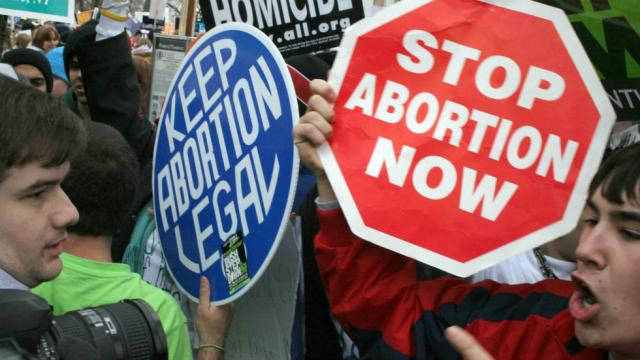
Pro-choice activists, politicians and supporters of Planned Parenthood gather for a news conference and demonstration at City Hall against the Trump administrations Title X rule change on February 25, 2019 in New York City. The proposed final rule for the Title X Family Planning Program, called the “Gag Rule,” would force a medical provider receiving federal assistance to refuse to promote, refer for, perform or support abortion as a method of family planning. (Credit: Spencer Platt/Getty Images)GETTY

The Guttmacher Institute has reported that among the one quarter of US women who have an abortion in their lifetimes, more than half of them already have children at the time of their abortion, and are often concerned about the impact that raising another child would have for extant ones.

According to research conducted by Foster, those mothers’ worries aren’t misplaced: her review of women who wanted abortions, were turned away, and who carried those pregnancies to term found that their other children subsequently had lower developmental scores. Such families were also more likely to receive federal assistance, “but not enough to keep women and their children from being poor,” Foster said.

Mothers who carried unwanted pregnancies to term also showed lower levels of bonding with infants, and were noticeably more financially insecure following such births. Among women polled who wanted an abortion, the top reasons given were not being able to afford a(nother) child, and not being ready for one.

Women who wanted abortions and got turned away for waiting a few weeks or days too long under local laws — typically because they had to spend significant time and money, or because pregnancy symptoms aren’t always clear, especially to younger or recently pregnant women — also had lower incomes than those who received abortions.

After being turned away, regardless of whether they later obtained an abortion, women further reported having lower levels of self-esteem, and more anxiety. On the other hand, women who received wanted abortions were more likely to have a wanted pregnancy in the next five years.

“We also found that when women are able to access an abortion, they are able to continue on a path of working or going to school. When they are denied an abortion, we see an immediate drop in employment,” Foster said.

And for the past ten years, despite the evidence around this kind of care, legal conditions for women’s reproductive rights in this country have steadily gotten worse.

Many states have repeatedly sought to restrict the window when women can legally have abortions, to minimize the number of clinics that provide or make referrals for abortions, to pile on waiting periods and extra consults, and to end or re-appropriate funding for these services at various levels. Federal lawmakers have floated similar ideas, while President Trump has personally moved to restrict federal funds for abortion providers, referrers, and the other forms of contraception they dispense on multiple occasions.

“If the focus were really on trying to make abortions happen as early as possible, then every state would pay for them,” Foster said. “Trying to raise the money is a major cause of delay. And by time you’ve raised that money, it’s [become] a different procedure, and it costs more.”

Regarding the president and others’ attempts to limit funding for contraceptives like birth control (both with and without ties to abortion facilities), she added, “Contraceptives prevent unintended pregnancies, and lots of studies show that the easier you make accessing contraception, the fewer abortions are needed. Making birth control harder to get will absolutely increase the number of unwanted pregnancies and abortions.”

According to advocates for women’s rights and health, such laws generally make it clear quite quickly that improving the lives of women and children is not the goal.

In this July 19, 2017 file photo, an abortion opponent stands beside a truck covered in signs during a rally in downtown Louisville, Ky. Attorneys for Kentucky’s last abortion clinic said as a federal trial opened Wednesday, Sept. 6, that state regulators are using “onerous” rules to try to shut it down, predicting some women would “take the matter into their own hands” to end unwanted pregnancies if the state succeeds. (Credit: AP Photo/Dylan Lovan, File)

Yamani Hernandez, Executive Director for the National Network of Abortion Funds (NNAF), commented by phone that laws preventing Medicaid funds from being used for abortions, for example, are a way of “coercing people into continuing pregnancies they don’t want to have.” Like Foster, she also believes that people “are being pushed into later abortions because they can’t afford it earlier.”

At NNAF, Hernandez oversees employees and volunteers working in 41 states to disperse financial support from over 70 funds to US women, particularly those seeking second-term abortions, which cost $2100 on average just for the procedure. “There are so many other costs that are not talked about more widely,” she said. “There’s transportation and traveling within a state or across state lines, medically unnecessary waiting periods, having to miss work, finding childcare, and having somewhere to stay.”

“About 90% of US counties don’t have an abortion clinic, and it shouldn’t be a privilege to live somewhere that does.”

“The fact that there’s such a venomous debate about it completely stigmatizes the issue, and makes people confused about whether they even could or should access the care they need,” Hernandez said. Much of the work her group does, she said, is helping people “navigate the complexities” of that care, from process to payment.

Hernandez also pointed out that even unsuccessful legislation can have a significant negative impact on women’s health and well-being. “There is already a public perception and stigma issue when the president gets on TV and talks about executing babies,” she said, referring to a recent Republican bill that effectively proposed to force doctors into treating non-viable, late-term fetuses rather than let mothers — often in great physical and emotional distress themselves — hold them quietly before they pass, for example.

“It confuses the public,” she continued. “Many people aren’t sure if abortion is legal right now. They call us and have to ask, which is really disturbing, because this a constitutional right.”

In some ways, perhaps it isn’t surprising that the national conversation around women’s reproductive health is both low on facts and extremely contentious in our country.

As journalist Amy Westervelt reflected for The Guardian last year, “The reality is, for all its pro-family rhetoric, the US is a remarkably harsh place for families, and particularly for mothers.” Quite frankly, medical science is still struggling to make up the research gap on women and people of color, too, including in the reproductive realm.

The state of research on women’s reproductive health and well-being is improving, however, and data suggest that it is vital to Americans’ health and bottom lines to acknowledge and move forward with what we do know.

After all, presumably all of us want to be good and thoughtful stewards and see future generations thrive on this planet we must share. And the time has never been better to honor that future by making thoughtful choices, and by allowing others to do the same.

Source: https://www.forbes.com/sites/janetwburns/2019/02/28/the-endless-costs-of-maligning-abortion/?fbclid=IwAR1a1ksOHUssRUJh9Jqtjk91-QArFhRxfi5N2vSHwWQWO6GnVd84ygyoYZI#2267cf407b17

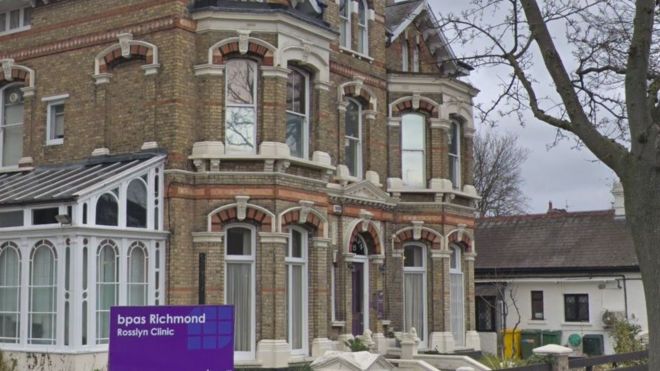
Image copyrightGOOGLEImage captionRichmond Council said protests near an abortion clinic in Rosslyn Road had a “detrimental” effect on patients and staff

Abortion protests will be banned outside a south-west London clinic, a local council has decided.

Richmond councillors approved the order for sections of six streets near the British Pregnancy Advisory Service clinic in Rosslyn Road.

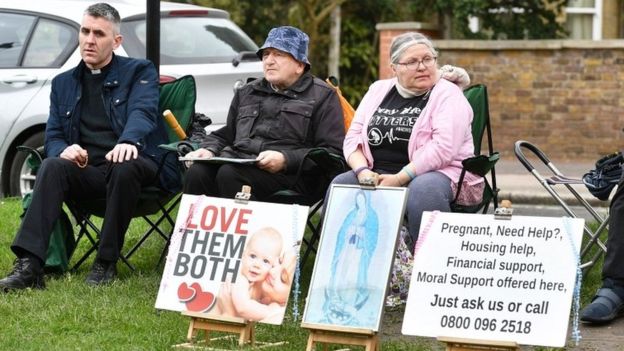
The ban prohibits protesters from trying to engage people attending the clinic in “any form of counselling or interaction” in relation to abortion.

A councillor said the order would protect patients’ human rights.

Councillor Liz Jaeger said: “Following a thorough consultation, there was overwhelming feedback that the vigils were having a detrimental effect on [patients] or others in the local area.”

Image copyrightPAImage captionProtesters were stopped from holding daily vigils outside the Marie Stopes clinic in Ealing in 2018

The Public Space Protection Order (PSPO), made under anti-social behaviour legislation, will last for a preliminary period of three years.

Ms Jaeger said the PSPO “strikes the right balance, protecting the human rights of the patients and staff of the BPAS Clinic to use the services and go to work without fear and in privacy”.

The Society for the Protection of Unborn Children said there had been “no evidence of harassment” outside the clinic.

In an online article, the society said the ruling was the “latest example of official intolerance towards pro-lifers”.

Last year an order came into force to stop anti-abortion and pro-choice campaigners from standing within 100m of a clinic in Ealing, west London.

After the ban was imposed at the Ealing centre, the home secretary rejected calls for buffer zones to be introduced across the country.

Source: https://www.bbc.com/news/uk-england-london-47476911?fbclid=IwAR2rwwFAr3hwC04xrUcJ-aMG1327JH6GsQ8WUXOEe1CXIKCMgl6uZ_jNUyE

Abortion opponents are accusing doctors of infanticide. Here’s the reality of abortion late in pregnancy, according to a doctor.

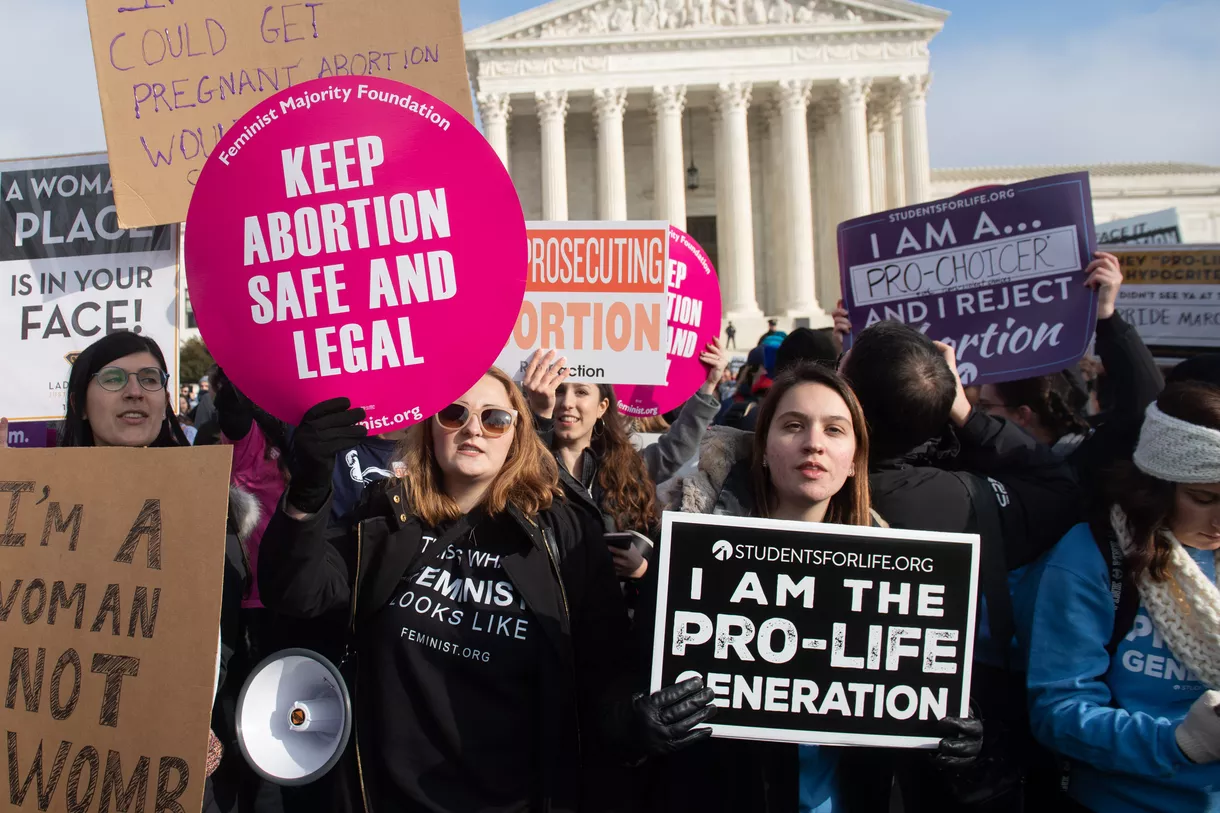
Anti-abortion and abortion rights activists demonstrate outside the US Supreme Court in Washington, DC, on January 18, 2019. Saul Loeb/AFP/Getty Images

The Senate voted last week on a bill to put in place requirements for the care of babies born after attempted abortions.

It failed, but debate around the issue continues. At an especially contentious time in the abortion debate, opponents of the procedure have focused their attention on abortions that happen late in pregnancy.

Starting in January, after Virginia Gov. Ralph Northam made some confusing comments about an abortion bill in his state, abortion opponents claimed that babies are sometimes born alive after failed abortions that happen late in pregnancy, and that they are then “left to die” or even executed by doctors.

“The governor stated that he would even allow a newborn baby to come out into the world,” President Trump told a crowd in El Paso, Texas, last month, “and wrap the baby, and make the baby comfortable, and then talk to the mother and talk to the father and then execute the baby. Execute the baby!”

Abortion rights advocates and abortion providers have responded to rhetoric like this by saying that the case of a baby born after a failed abortion is so rare as to be essentially unheard of, and that if that did happen, doctors would care for the baby like any other patient. But the debate has continued, so I decided to reach out to a doctor who provides abortions for an in-depth explanation of what abortions late in pregnancy actually look like, and how the picture painted by Trump and others compares to reality.

Dr. Kristyn Brandi is a New Jersey OB-GYN with fellowship training in family planning, and a board member of Physicians for Reproductive Health. As a doctor, she delivers babies and cares for pregnant women, and also performs abortions. She told me that because of today’s legal requirements for abortion procedures, it’s essentially impossible for a baby to be born alive after a failed abortion, and that equating late abortion with infanticide is insulting to patients, many of whom are grieving the end of a much-wanted pregnancy.

Trump and others describe “late-term abortion” (which, Brandi explains, is not a medically accurate term) as something that can happen at 40 weeks’ gestation, even when a woman is in labor.

In reality, as Brandi told Vox last month, “patients do not request abortion when they are in labor and doctors do not provide it.” More than 90 percent of abortions happen within the first trimester of pregnancy. But some patients do get abortions after that, in the second and third trimesters (about 1.4 percent of abortions happen at 21 weeks’ gestation or later, according to Planned Parenthood). Brandi explained to me what happens during those procedures, why patients seek them, and what the current political debate about them is missing. Our conversation, via phone and email, has been edited and condensed.

Anna North

Throughout the last few months, there’s been a lot of focus on abortions that happen later in pregnancy. Can you talk a little about why people seek such abortions?

Kristyn Brandi

Thank you for using the more appropriate terminology. A lot of the people I’ve been talking to about abortions that happen later in pregnancy use these weird terms like “late-term abortion.”

Anna North

Can you explain why the term “late-term abortion” is not accurate?

Kristyn Brandi

Usually, as medical professionals, we talk about abortion in relation to gestational age, but we don’t use terms like “late” because it doesn’t really apply. And when we talk about late-term pregnancy, we’re actually referring to pregnancies that are a week after their due date, so 41 weeks’ gestation, which is very different than what we’re talking about typically when people say late-term abortion. Which I think really reflects the fact that people that are having these conversations may not have that medical background, and so we’re not speaking the same language and it creates confusion for everyone involved.

Anna North

Given that, can you talk to me about the reasons that people seek the procedure later in pregnancy?

Kristyn Brandi

I should say that when we’re talking about these abortions later in pregnancy, this is about 1 percent of all abortion care. The majority of abortions happen in the first trimester. Patients that are seeking care later, often it’s related to their health, so either they themselves are diagnosed in pregnancy with some type of medical complication or their fetus was diagnosed with some type of genetic abnormality that makes their quality of life after they deliver really poor. And, unfortunately, we are typically unable to diagnose these things until the second or the third trimester, so it leaves patients to be having these conversations later in their pregnancy.

There’s also structural and socioeconomic reasons why people show up later in pregnancy. For example, I’m at a center where I’m the referral center for the state, and so patients that are seeking care elsewhere may get referred to me and I’m often hours away from where they initially sought care. So it takes a while for them to get up to see me, and that includes not just the time it takes to come up here but also making sure they have child care for the children they already have, getting transportation. There’s so many different types of barriers that are created for health care in general, but specifically abortion care.

Anna North

Can you give some examples of situations you’ve seen where a patient sought an abortion late in pregnancy?

Kristyn Brandi

In recent memory, I had a clinic day where several patients had come to the clinic for abortion later in pregnancy for very different reasons. A person in one room had a fetus with trisomy 13[a chromosomal disorder that can result in severe intellectual and physical disability], which was not diagnosed until later in pregnancy. In the next room, I had a patient for whom I was the fourth doctor she had seen — she kept being referred to other doctors because of her complex medical history and had to save enough for a bus ride for each doctor she saw. The last patient had a history of a near-fatal event in her last pregnancy, and while she didn’t personally agree with abortion, she decided it was the best thing for her to prevent the risk of her own death in this pregnancy.

Anna North

Talk to me all bit more about the structural barriers you mentioned. Can you give some more examples?

Kristyn Brandi

As more and more abortion restrictions come up, it creates a lot of barriers for patients seeking care. For example, there are some laws that say you have to come [for counseling] prior to obtaining an abortion, and that just may not be feasible for a lot of people, particularly if you live three hours, four hours away in a different state from where you’re getting care. It just is not something that our patients can manage, and it’s not their fault.

There’s some new laws that cause clinics that are nearby to close because they just can’t meet these standards that are not medically necessary, but that states put on these clinics to restrict care.

Anna North

Would removing some of those barriers mean fewer abortions later in pregnancy?

Kristyn Brandi

I think so. Again, it’s not the majority of abortions, but there are many people that are having these barriers. It can actually change a lot of what abortion care looks like if just we improved access to patients being able to get care in a timely way.

Anna North

I think a clear picture of what happens during an abortion would be helpful to our readers in making sense of some of the debates right now. I know some abortions are performed with medication, and some are surgical — can you describe both types, and talk a little about how the procedure changes at different stages of pregnancy?

Kristyn Brandi

A patient can decide on a medication abortion up to 10 weeks, with two different pills, mifepristone and misoprostol. A surgical abortion is often a seven- to 10-minute in-office procedure with vacuum aspiration, administered by a licensed clinician who gently dilates the cervix just enough to protect the cervix, then empties the uterus.

If an abortion is performed at 20 weeks or later, a drug may be injected to stop the fetal heartbeat before the uterus is emptied. How we complete the procedure depends on the wishes of the patient, their own medical circumstances, and our medical judgement. Sometimes we use a combination of instruments and aspiration to empty the uterus, and other times we proceed with an induction of labor just as we would with a stillbirth.

Medically, every pregnancy is different, and every person’s health circumstances are unique. There isn’t a bright line, so we can’t say, “We always do this.” We provide the procedure that is best for each patient based on their decision and our medical judgment.

Anna North

What typically happens to fetal remains after an abortion? Does this vary depending on when in pregnancy the abortion occurs?

Kristyn Brandi

Medical facilities dispose of bodily tissue, including embryonic and fetal tissue, in a sanitary manner that minimizes exposure to pathogens and risk of infection. Fetal tissue is treated respectfully and handled in a way that protects the privacy of patients. In some instances, patients may request a different disposition of the embryonic or fetal tissue. Such requests are deeply personal and tend to vary based on a patient’s cultural or religious traditions.

Anna North

Let’s talk a little bit about what’s been in the news the last few weeks. I was watching the debate in the Senate over [Nebraska] Sen. [Ben] Sasse’s bill, and he said, “We know that some babies, especially late in gestation, survive attempted abortions. We know, too, that some of these babies are left to die.” That struck me because it didn’t jibe with what I’ve readand heard from providers, which is that it’s extremely rare, if not unheard of, for a baby to be born alive after a failed abortion attempt. What would be your response to Sasse’s claim?

Kristyn Brandi

I also have been hearing a lot of these types of stories, and it also is shocking me as someone that provides this care every day. I think they’re trying to use extreme language and sensationalization to make people uncomfortable with talking about care that is just part of medical care. I think there’s a lot of confusion about what happens within abortion later in pregnancy and the unique circumstances that involve each individual patient, so it’s really hard to understand a lot of the nuances around this conversation when you’re just having these two sides that are using talking points to argue with each other.

Anna North

What kinds of nuances do you feel like are being missed here?

Kristyn Brandi

I think some of it is just a misunderstanding about what abortion care looks like, and particularly equating it to infanticide, which is really insulting. It’s insulting for me as an abortion provider, but I can’t imagine how insulting it is for my patients or women that have experienced abortion and they’re hearing all these crazy stories. I can’t imagine how disheartening it is and how it further perpetuates the stigma around abortion. How could you talk about your own abortion when you hear all these things in the media?

Anna North

Just to make sure we drill down on some of the claims we’ve been hearing here, I’ve even seen an estimate on an anti-abortion website that more than 900 babies survive attempted abortions every year, extrapolating from a 2007 British study. Is this a thing that happens? Do infants survive abortions, and what would happen medically if that did occur?

Kristyn Brandi

[In] typical abortion care, this is something that can never happen, and part of it is actually because of politics. There was this [2003] partial-birth abortion ban, which restricted this from happening. If we did what these politicians are claiming we’re doing, we’re already breaking the law. No one is actually doing that. At least, I should say, no credible doctor or practitioner is doing anything anywhere even close to what they’re suggesting.

Anna North

Explain that a little bit more to me. What is being suggested that can’t happen under that law?

Kristyn Brandi

Under that law, something has to be done to the pregnancy to stop it from growing prior to the abortion happening, specifically to avoid the scenario where a potential pregnancy is delivered and could survive outside of the patient. We have to do something to the pregnancy in order to prevent this from happening, so it’s already off the table.

But I think a lot of the confusion is that people are conflating abortion care with comfort care. For example, there are some patients that are in a similar scenario where their pregnancy outcome, for whatever reason, either a fetal anomaly or something in their medical situation, did not result in a pregnancy that will survive for very long outside of them. And so some patients elect to undergo something similar to a labor induction, which allows them to deliver what they call their baby and be able to actually spend time with it and be able to offer it comfort care.

Again, thinking about the scenarios that I’ve seen, it’s really terribly heartbreaking scenarios where it’s a desired pregnancy that people want to spend last moments with before this baby passes. And to think of the patients that I’ve seen that have gone through that, where they just want to hold their baby one last time before it passes away, those are the scenarios that these politicians are suggesting that we are performing infanticide on.

It breaks my heart to hear conservative media and politicians using these terms and not holding the hand of patients that are going through this process.

Anna North

Talk to me a little bit about the emotional aspect of the procedure for patients who are ending up seeking this later in pregnancy, especially if these are patients who had a wanted pregnancy and there’s an abnormality.

Kristyn Brandi

I think it’s very emotional for many patients. Someone has been planning this pregnancy and been preparing and getting their nursery all set up and then, all of a sudden, is faced with this devastating news; it’s heartbreaking.

I think to compound that with all of the stigma around abortion — I’ve had many patients come to me and say they never thought they would be in this circumstance, that perhaps they didn’t agree initially with abortion care because they just didn’t see how it would affect them. Many of them are very happy and relieved to be able to have that care available to them when they needed it the most.

Anna North

I think those were all the specific questions I had. Is there anything else you want to say on any of this that we didn’t touch on?

Kristyn Brandi

I think the one thing that is getting a little bit overlooked in this conversation is about how particularly this affects a vulnerable population. Patients that are having abortions later in pregnancy may face additional barriers — [they may be] of lower socioeconomic status, minority patients, LGBT patients, undocumented patients, or immigrant patients. They’re facing a lot of the brunt of this and it’s further perpetuating disparities.

Anna North

They are facing the brunt of this because they’re more likely to face some of those barriers to care earlier in pregnancy?

Kristyn Brandi

Right. Or they may not be able to access prenatal care and they’ll get these diagnoses later in pregnancy, and so a lot of later abortion disproportionately affects vulnerable populations. So not only trying to decrease barriers to abortion care but also improving access to prenatal care, improving access to contraception, improving access to any health care or decreasing a lot of the barriers that are faced by vulnerable populations may actually be able to help people get access to the care they need.

Correction: An earlier version of this story misstated the percentage of abortions that take place in the first three months of pregnancy. It is about 92 percent, not about 99 percent.

Source: https://www.vox.com/2019/3/11/18246702/born-alive-abortion-survivors-bill-virginia-2019?fbclid=IwAR1RKQuNk0OyB_jIwBlyMQsWGEDiZNait8LkcIHdESIWoNmRAXAcmp8Als4

Total abortion bans have so far failed to overcome legal hurdles, though GOP lawmakers continue to prioritize the anti-choice legislation across the United States.

“By effectively outlawing abortion in the state of Georgia, Republicans are drawing the line in the sand to hand over their re-elections in 2020. They have made it clear that passing legislation without fiscal notes, medical accuracy and public notice are what Georgians deserve,” Representative Park Cannon said in a text message.
Nagel Photography / Shutterstock.com

Republicans in the Georgia House passed a ban on abortion after a fetal heartbeat is detected, effectively a total abortion ban, shortly before 11 p.m. on Thursday.

By a vote of 93 to 73—with 12 representatives absent or not voting and two seats vacant—the measure passed by two votes more than the constitutional majority required. The bill now heads to the state senate for consideration. Georgia’s legislative session is scheduled to end in early April.

HB 481, dubbed the “Living Infants Fairness and Equality (LIFE) Act,” would ban abortion when a fetal heartbeat can be detected, typically at six weeks’ gestation. Many people don’t know they’re pregnant at that point.

Republicans in more than a dozen other states have proposed similar measures since the beginning of 2019. Total abortion bans have so far failed to overcome legal hurdles, though GOP lawmakers continue to prioritize the anti-choice legislation across the United States.

In Georgia, the total abortion ban was fast tracked through the committee hearing process, and sent to the floor for a vote with just hours left on crossover day, the last day a bill can pass out of one chamber and “cross over” to the other chamber. Bills that did not pass out of at least one chamber before midnight Thursday are effectively dead for the remainder of the legislative session.

After the total abortion ban passed out of committee Wednesday evening, state Rep. Park Cannon (D-Atlanta) told Rewire.News that her Republican colleagues are “playing politics with women’s lives in Georgia.”

“By effectively outlawing abortion in the state of Georgia, Republicans are drawing the line in the sand to hand over their re-elections in 2020. They have made it clear that passing legislation without fiscal notes, medical accuracy and public notice are what Georgians deserve,” she said in a text message.

HB 481 was officially added to Wednesday afternoon’s agenda for the house health and human services committee about 30 minutes before the committee convened. It passed along a party-line vote of 17 to 14, after three hours of testimony and questions. At 7:30 p.m. the following day, a vote for the bill was added to the state house’s agenda, and limited to one hour of debate and no amendments on the floor.

As in the committee hearing, sponsor Rep. Ed Setzler (R-Acworth) told his colleagues that the measure was an attempt at a compromise. “This bill weighs the privacy interest of the mother—which we recognize as being valid—but when you weigh the life interest of this human child, how do we reconcile those two in a fair, balanced, and appropriate way?” Setzler said in closing remarks.

At the committee hearing and during the debate on the house floor, Reps. Cannon and Renitta Shannon (D-Decatur) each shared that they have had an abortion. Shannon was repeatedly told by House Speaker David Ralston (R-Blue Ridge) that her time was up, but she did not leave the floor even after her mic was cut off.

Other Democrats ultimately persuaded her to step down, and she walked away to applause from the gallery, which was quickly silenced by the speaker.

Minority Leader Bob Trammell (D-Luthersville) made motions in an effort to stall the vote on the total abortion ban, including a motion to adjourn, a motion to table the bill, and then a motion to reconsider after the bill narrowly passed. Opponents in the gallery yelled “Shame!” at legislators after the final vote came in.

On Thursday morning, several Democratic legislators showed up with wire hangers and containers of bleach, featuring messages like “No to HB 481” and “This hanger is an abortion device,” in anticipation of the bill making it to the state house floor. They later organized a press conference opposing the measure, and filed a minority report opposing the bill, which gave them extra time for debate on the state house floor.

Republican Gov. Brian Kemp came out with a short video on Twitter supporting the measure Thursday afternoon, just after the press conference. “I applaud the health and human services committee for advancing legislation to protect the unborn. I encourage the House and the Senate to do the same. This is a powerful moment in Georgia,” Kemp said in the video.

On the campaign trail, Kemp—whose 2018 election victory is being investigated by the U.S. House of Representatives—committed to signing the “toughest abortion laws in the country.”

Among the state representatives who were not present to vote on the measure, one notable absence was Rep. Sharon Cooper (R-Marietta), chair of the health and human services committee.

Cooper, who has championed bills funding anti-choice clinics, expressed concerns about several aspects of the bill during the committee hearing Wednesday night. She commented on the likelihood that the bill would result in litigation, as well as the effect it would have on people who do not realize they are pregnant until much further into their first trimester. These comments were echoed by Democrats and other opponents of the bill during both the committee meeting and floor debate.

“There are places where we could use the money much more wisely rather than having to have very expensive lawyers support our attorney general and going at a court case like this,” Cooper told Rewire.News after the committee meeting Wednesday night.

Despite her concerns, Cooper added an amendment to the bill in committee to include exceptions for fetal anomalies incompatible with life. It was the only amendment—of about a dozen offered—that was added to the total abortion ban.

Speaking to the Health and Human Services committee Wednesday evening, Setzler shared his views that life begins at conception and stated that the inclusion of exceptions for rape and incest were part of what made this a compromise bill.

“We recognize that children in the womb—from early biological development, from six weeks and even earlier—all they need is nourishment and a safe place to live, and they are going to grow into ripe old adulthood. That fact that, morphologically, certain organs have not grown or their arms aren’t as visible, doesn’t change the fact that they are living, distinct as human being,” he said.

Source: https://rewire.news/article/2019/03/08/georgia-gop-gets-total-abortion-ban-through-state-house/

‘Women seeking abortions continue to live in fear, stigma and shame in our society’

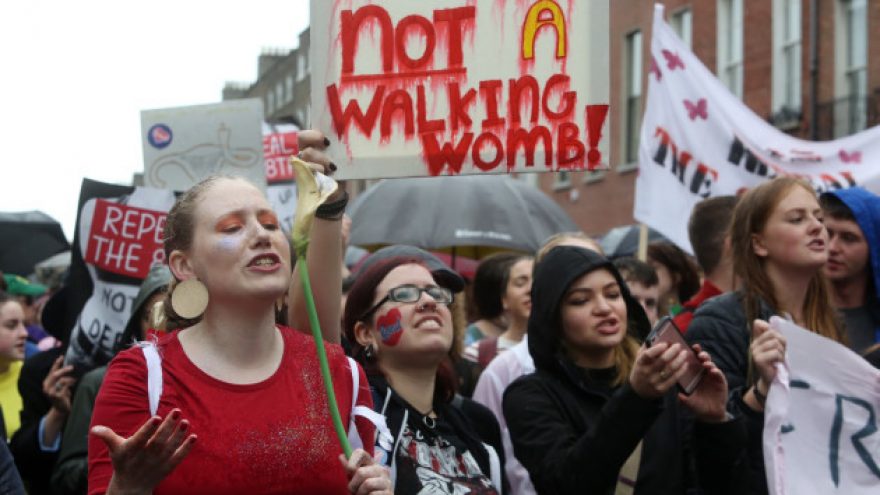
Stock photo of a pro-choice rally in Ireland

It would have been unthinkable in the past, but Malta’s first ever pro-choice movement is set to launch this weekend to campaign for the legalisation of abortion.

Details are still scant at this stage, but the movement is expected to include the Women’s Rights Foundation and Moviment Graffitti, both of whom have been sharing the upcoming launch on social media.

“We are a group of civil society organisations and individuals that together want to work for reproductive rights and justice in Malta,” the movement, which is called Voice For Choice, said. “We are grassroot organisations that represent various sectors of our society, as well as individuals that are passionate about reproductive health and rights.”

53040342 1959695570806636 7233798079877480448 N

“Abortion continues to remain criminalised in Malta in all circumstances. We know that the reality is that women in Malta are still seeking and having abortions. However, this comes at both a financial and a social cost as these women continue to live in fear, stigma and shame in our society.”

“Malta is a compassionate country that has over the decades ensured full inclusivity. It is time that the laws related to abortion follow suit so as to reflect the reality of people’s lives. We are here to ensure that all pregnant persons, irrespective of their gender, ethnicity, beliefs or age are supported, respected and protected whatever their choices.”

The launch will be held at City Lights in Valletta and will include a screening of the documentary ‘The Abortion Diaries’ and a panel discussion.

Abortion remains a particularly taboo topic in Malta, with no politician from Labour or PN openly willing to even discuss loosening the law. However, debate is fermenting within the smaller parties, with Alternattiva Demokratika MEP candidate MEP Mina Tolu calling for a civilised discussion and Partit Demokratiku MEP candidate Cami Appelgren coming out as pro-choice.

Featured Image: A recent pro-life rally in Valletta. Photo: Life Network

Source: https://lovinmalta.com/news/times-are-changing-maltas-first-ever-pro-choice-movement-to-launch-this-weekend?fbclid=IwAR2rE3ea-NKMFP_wD69e9NnISTexhsF8rJJRtgdqstLOre8vh7cFoxIji-E

In an unprecedented move, a probate court in Madison County, Alabama, has recognized a woman’s aborted fetus (dubbed “Baby Roe”) as a person with rights, allowing a man to proceed with his lawsuit against the women’s health clinic where his ex-girlfriend obtained abortion care two years ago. Ryan Magers says he begged his ex-girlfriend not to have an abortion and that the aim of his lawsuit is to “give a voice” to other men who want a say in a woman’s reproductive choices.
First reported by ABC 31 in February, Magers has named Alabama Women’s Center and the pharmaceutical company that makes the so-called “abortion pill” (which is actually two pills containing the medications mifepristone and misoprostol) that terminated the woman’s pregnancy in a wrongful death lawsuit. “I’m here for the men who actually want to have their baby,” Magers told the station at the time. “I just tried to plead with her and plead with her and just talk to her about it and see what I could do, but in the end, there was nothing I could do to change her mind.”
Ryan Magers, who is suing the abortion clinic where his ex-girlfriend terminated her pregnancy.
In an interview Tuesday with Refinery29, Magers’ lawyer J. Brent Helms said that before Mager’s ex got the abortion when she was six weeks pregnant, he had sought legal action to try and stop her. “Ryan was all about family. He took on extra jobs to be able to pay for the birth of Baby Roe,” Helms said. “He doesn’t know why she didn’t want to go through with the pregnancy. He’s not giving me a definitive answer to that question,” Helms said. The attorney could also not give an exact age for Mager’s ex at the time of the pregnancy, saying she was either 17 or 18 years old. After the abortion, Helms said the couple’s relationship fell apart and they broke up.
Helms said the lawsuit isn’t about controlling his ex-girlfriend, “it’s about the opportunity for family. I think Ryan is so family-oriented, he badly wanted a child. It’s about the opportunity to raise a child.”
When asked if Magers is considering adopting since he so badly wants a child, Helms said he isn’t. “At this point, he’s not considered any adoption right this moment, no. The two of them were really close. It was something that they wanted together at the time,” he said. In a follow-up email, Helms said the pregnancy was actually unplanned.
Magers’ side of the story is the only one being heard, however, as his ex-girlfriend’s identity cannot be made public due to laws protecting the privacy of women who undergo the procedure. But Helms said she may be named, depending on how the defendants in the lawsuit respond. “Until it is absolutely necessary, it is not our intent to name Ryan’s [ex-]girlfriend in the suit. When that point arises, we or the defendants will have no choice but to name her,” he said.

This man was unable to force his girlfriend to continue a pregnancy and so he’s taking an extreme action to exert control.

ELIZABETH NASH, GUTTMACHER INSTITUTE
Helms couldn’t answer basic questions on how giving a man decision-making power in a woman’s choice to get an abortion or not would play out, like how paternity would be proven so early in pregnancy, who would be responsible for caring for the child if a woman is forced to give birth, and what would happen in cases of rape and incest. “I think the answers to a lot of these questions will have to play out in the future depending on what the court rules,” he said. “There could be a situation where a father has to give consent to an abortion, also, our Alabama legislature could carve out exceptions. It’s almost too early to tell.”
Although Magers said his lawsuit is about “family,” his own attorney revealed it’s actually about ending abortion rights. “If we win this case for wrongful death, then the result may be the elimination of abortion altogether in the state of Alabama,” Magers told Refinery29. Alabama already has a law on the books that gives fetuses the same rights as people.
He further explained: “This case is about wrongful death so if the abortion clinic is held responsible, if the manufacturer of the pill that terminated Baby Roe’s life is held responsible for Baby Roe’s death, then obviously in the future, if there is an abortion where a father doesn’t agree and a suit for wrongful death is brought, it would create a lot of liability for these abortion clinics … the manufacturer of the pill, the doctors, for everyone involved.”
This explanation is perfectly in line with the pattern of anti-choice activists and politicians working to pass laws to limit access to abortion while working within existing federal laws. These sorts of policies and maneuvers have led to the closure of dozens of abortion clinics throughout the country. “I think the lawsuit is an attempt to get around fundamental protections in our nation’s abortion law, to undermine a woman’s right to an abortion,” Andrew Beck, senior staff attorney with the ACLU’s Reproductive Freedom Project, told Refinery29. “It’s definitely unlawful, it’s definitely bad policy, and it’s really designed as an end-run around [Roe v. Wade].” Beck said while he can’t predict the outcome of the lawsuit, he believes it is totally incompatible with the constitution. “You can imagine that if every person that sought an abortion could be brought into a lawsuit by an ex-boyfriend and have her decision questioned and interfered with and have the provider sued years later … that’s clearly the point of this,” he said.
Beyond being an attempt to curb access to abortion, Elizabeth Nash, senior state issues manager at the Guttmacher Institute, believes the lawsuit is ultimately about power. “This man was unable to force his girlfriend to continue a pregnancy and so he’s taking an extreme action to exert control,” she told Refinery29. The lawsuit can be seen as case of reproduction coercion, when a person seeks to interfere with the reproductive health decisions of a partner, like sabotaging a woman’s birth control, removing a condom during sex, and pressuring a woman to get or not get an abortion. Why Magers’ ex-girlfriend chose to terminate her pregnancy is irrelevant as it is her choice and her choice alone. The woman — not Magers — would’ve been left to deal with the physical and psychological effects of pregnancy. And, she has federal law on her side.
In a statement to Refinery29, Adrienne Kimmell, vice president of communications at NARAL Pro-Choice America, said the case is coming at a time when President Donald Trump and the GOP are ramping up their incendiary rhetoric around abortion. “The case in Alabama is chilling because it represents the real-life consequences of anti-choice ‘personhood’ policies, which, by design, seek to demote the fundamental rights of women, and are a stepping stone in the anti-choice movement’s ultimate goal of criminalizing abortion and punishing women,” she said. “The dangerous and backward policies, as well as the inflammatory lies, are wholly out of touch with the majority of Americans who support access to legal abortion and believe the government should not intervene.”
Alabama Women’s Center and the other defendants listed in the lawsuit have until April 1 to respond.

One of the first things Donald Trump did upon taking office was reinstate the Mexico City Policy, better known as the Global Gag Rule. The law prohibits global recipients of U.S. healthcare funding from mentioning abortion. For 35 years, every Republican administration has implemented the policy and every Democratic administration has revoked it. The Trump version of the policy is especially restrictive, expanding the prohibition to all groups receiving any funding from any U.S. department or agency.

Research consistently finds that restrictive policies affecting state abortion clinics harm women and girls. A new study directly links the Mexico City Policy to an increase in the abortion rate.

How Banning Abortion Discussions Might Increase the Abortion Rate

The study, authored by Yana ven der Meulen Rodgers of Rutgers University, is published in the new book The Global Gag Rule and Women’s Reproductive HealthFor the analysies, Rodgers analyzed data from 51 developing nations that included more than 6 million women each year. Using a regression analysis, she assessed the likelihood that a woman would have an abortion for years 2001-2008.

Rodgers found that Latin American women were about three times more likely to have an abortion during times when the Global Gag Rule was in effect. Abortion rates were about 23% at the beginning of the Clinton administration. After two terms of the Bush administration’s Mexico City Policy, abortion rates had risen to 32%.

Studies consistently find that banning abortion doesn’t stop women from seeking abortions. It just makes abortion less safe. Between 2010-2014, 75% of Latin American abortions were illegally performed. Just 23.6% of Latin American abortions were classified as safe. When El Salvador banned abortion, 11% of women who sought an abortion died.

The WHO reports that 47,000 women die from unsafe abortions each year. That accounts for 13% of maternal deaths. In nations where abortion is safe and legal, abortion-related deaths are almost nonexistent, and abortion is no more dangerous than minor dental surgery.

Does Banning Abortion Increase the Abortion Rate?

Anti-choice attacks on abortion have never been about protecting lives. Otherwise, right-wing politicians would be more concerned about how their policies drive unsafe abortions. Proving yet again that anti-choice laws are about punishing women and not saving lives, some research suggests that banning abortion may actually increase the abortion rate.

Latin American nations that ban abortion have higher abortion rates than the United States. The abortion rate is three times as high as in the U.S., at 44 abortions annually per 1,000 women. In the U.S., the abortion rate fell under President Obama. Many analysts think this was due to greater access to healthcare and family planning services.

Taken together, the data on the Global Gag Rule and nations that ban abortion point to a troubling conclusion: restrictive abortion policies don’t stop abortion, but they may increase the risk of dying from abortion.

That’s exactly the point. Punish women for having sex or choosing abortions at all costs—even when both the mother and the fetus die.

Source: https://www.dailykos.com/stories/2019/3/7/1840208/-Study-Links-Rise-in-Abortion-Rate-to-US-Cuts-in-Funding-for-Women-s-Health-Clinics

Many of the poorest and sickest patients end up at public hospitals when their pregnancies go wrong. But little-known laws leave people in need with nowhere to turn.
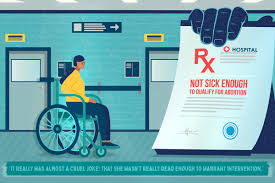
Image by Rommy Torrico
Shutterstock

When she arrived at the public hospital in Texas, the woman was so sick she couldn’t walk. About four months pregnant, she needed an abortion to save her life. A previous pregnancy had led to heart failure. This time she faced a higher risk of death from cardiac arrest that increased as the pregnancy advanced.

But the hospital’s leadership denied her the abortion she needed.

“It was decided that she was not going to be dying at that moment,” Dr. Ghazaleh Moayedi, who cared for the patient, told Rewire.News. “It really was almost a cruel joke: that she wasn’t really dead enough to warrant intervention.”

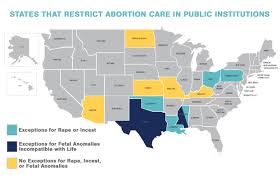
Many of the poorest and sickest patients end up at public hospitals when their pregnancies go wrong. But little-known laws in 11 states—Arizona, Kansas, Kentucky, Louisiana, Mississippi, Missouri, North Dakota, Ohio, Oklahoma, Pennsylvania, and Texas—prohibit abortion care in various kinds of public facilities, according to an analysis conducted by the Guttmacher Institute for Rewire.News. Louisiana, Mississippi, Ohio, Oklahoma, and Pennsylvania allow exceptions to the laws for victims of rape or incest, but the latter three states require the crime be reported to authorities. Only Mississippi and Texas make allowances in cases where the fetus can’t survive. Although exceptions exist in all 11 states if a patient’s life is in danger, hospital officials are free to interpret what that means and thereby deny abortion care to the sick and dying.

Such scenarios recall the days before abortion was legalized nationwide, when hospital panels approved cases on an individual basis if a patient’s life was in danger. Even after the U.S. Supreme Court established the right to abortion in 1973, many hospitals have refused to provide the care for a range of financial, religious, or political reasons. While many of the laws targeting abortion in public facilities date back decades, the Guttmacher Institute, which monitors anti-choice legislation, did not have a list until Rewire.News requested one, nor does NARAL Pro-Choice America track these measures. Elizabeth Nash, senior state issues manager at Guttmacher, said the laws, often passed years apart, may have been overlooked because they were never part of an obvious trend—or because there are so many attacks on abortion, it’s hard to highlight them all.

Abortion is among the safest medical procedures performed in the United States. In 2013, 89 percent of abortions took place in the first 12 weeks of pregnancy, and two-thirds were at or before eight weeks. Generally, these early abortions are easily handled by outpatient clinics, which tend to be far more affordable than hospitals. Major complications occur in less than half a percent of first-trimester abortions. Roughly 10 percent of abortions occur between 13 and 20 weeks, and while risks increase as pregnancies advance, most of these safely happen in clinics too. An extremely small percentage of abortions take place later in pregnancy; due to legal barriers, violent threats, and even the murder of physicians, there are few clinics left to provide such care.

But patients with medical conditions that make pregnancy and labor dangerous also need higher levels of care to manage risks such as hemorrhaging or cardiac arrest during an abortion. Outpatient clinics will often refer such patients to hospitals, where about 4 percent of abortions take place. Some states also require abortions after a certain point in pregnancy to be performed in a hospital.

When hospitals in states with restrictive policies deny care to sick patients, providers may face a wrenching choice: Perform an abortion in an outpatient setting for someone who would most safely be seen in a hospital, or refuse care to a patient who might die without it.

In Texas, a 2011 law effectively bans abortion in “hospital districts”: publicly funded entities that provide subsidized care to the poor. The only exceptions, at least for now, are cases where the fetus can’t survive outside the womb or the patient’s condition “necessitates the immediate abortion of her pregnancy to avert her death or to avoid a serious risk of substantial impairment of a major bodily function.” (A Texas lawmaker just introduced legislation to repeal the first exception.) Access to abortion is so limited in Texas that it’s difficult to pin denials of care like the one Moayedi described on any single measure. Some hospital districts refused to provide abortions except in cases of life endangerment even before legislators enshrined these restrictions in law.

When Moayedi broke the news, the patient was devastated. She was too ill to be seen in an outpatient clinic that lacked advanced resuscitation and heart monitoring equipment. Her options were to travel to New Mexico and pay thousands of dollars for a hospital abortion there—which she couldn’t afford—or continue a pregnancy that might kill her. Like millions of people in Texas, she lacked health insurance.

Moayedi doesn’t know what happened to the patient. She never saw her again.
Too Sick for a Clinic, Not Sick Enough for a Hospital

After she moved to another part of Texas, Moayedi appealed to a different public hospital for a patient with a pregnancy condition that put her at risk for complications including hysterectomy and hemorrhaging. The case seemed urgent to Moayedi, who had already watched one patient who carried a pregnancy to term with this condition require a 13-unit blood transfusion—more blood than a human body typically contains.

Again, hospital leadership said no to the abortion.

“The response was that it was not actually imminently life-threatening, that sometimes people lived from the condition and so they would not intervene,” Moayedi said.

This time, Moayedi was able to refer the woman to a private hospital.

When such patients can’t find a willing hospital where they can afford care, it puts outpatient abortion providers in an unsettling bind. Doctors in multiple states told Rewire.News they sometimes perform abortions in clinics that should ideally be done in a hospital, because the alternative is to force patients to continue a potentially fatal pregnancy. Freestanding clinics generally lack the equipment to perform emergency hysterectomies or blood transfusions. (Anti-choice laws that require abortion providers to have hospital admitting privileges purport to address this concern. But such policies are intended to close clinics, not make patients safer; under existing federal law, hospitals must already accept patients in emergencies.)

Dr. Bhavik Kumar, an abortion provider at a stand-alone facility in Texas, said he recently safely performed an abortion for a patient whose placenta was in danger of growing into her cesarean-section scar. Another doctor had recommended the woman have her abortion in a hospital, but she said two hospitals—one that was part of a public hospital district, the other a faith-based nonprofit—refused to do the procedure. In New York, where he trained, Kumar said he “absolutely” would have referred this patient to a hospital. In Texas, he had no other option.

“For this patient, the safest thing is for her to be not pregnant as soon as possible,” Kumar said.

Dr. Carley Zeal has seen this play out in Missouri, which has a ban that prevents providers in public facilities from even referring for abortion, as well as a 72-hour waiting period, restrictions on public and private insurance coverage of abortion, and targeted regulations that have shuttered all but one clinic in the state. “Because access is so restricted, and there are so few places for people to go, we practice at the brink of what we find safe,” Zeal said. “We do as much as we can in an outpatient center [that] we consider possibly safe.”

Zeal faced this same bind when she worked at an abortion clinic in neighboring Oklahoma, which has similar restrictions on insurance and public facilities and where—as in several states with similar laws—more than a quarter of hospital beds are in Catholic facilities that oppose abortion on religious grounds.

“There were definitely patients that were referred [to the clinic] for abortion services for a life-endangering pregnancy for medical co-morbidities that in other places would definitely warrant an in-hospital procedure,” Zeal said. “But that just was not an option for them, because there was no way they could access a hospital that would provide the service.”

The patients most affected by these laws are those too sick to be seen in outpatient clinics, but not sick enough for their hospital to allow an abortion. Patients with uncontrolled diabetes, for example, may end up having to travel hours for care, Dr. Meredith Pensak, an OB/GYN in Ohio, told Rewire.News.

“They are not sick enough that their life is at risk, but they’re too sick to be safely done in a freestanding abortion clinic,” Pensak said. “So we have to wind up sending them away to a hospital setting,” in another city or out of state.

Compounding existing restrictions on public funding of abortion in the state, Ohio’s 2011 law bans public facilities, including those at state universities, from providing abortion except when the pregnancy results from rape or incest that has been reported to the police, or when a pregnancy endangers a patient’s life.

Chrisse France, executive director of the Cleveland abortion clinic Preterm, said it’s not unusual for providers there to deem someone too sick for outpatient care. That patient may have nowhere else to go. Private hospitals may refuse to accept her if she is uninsured or using Medicaid, which in Ohio and most other states covers abortion only for rape, incest, or life endangerment. And the public hospital, typically a safety net for poor patients, is out of the question.

“She cannot be seen at our public hospital unless pretty much she’s going to die today or maybe tomorrow,” France said. “For example, if she has cancer and needs chemo—and going without chemo is obviously bad for her health—and she wants an abortion, they can’t do it unless she’s literally ready to die.”

“Death by a Thousand Cuts”

In Ohio, as in most of the 11 states with laws targeting public facilities, there is no exception for fetal anomalies. In December 2018, Chelsea, who asked Rewire.News not to use her last name, was about 15 weeks into a planned pregnancy when a specialist at University of Cincinnati Medical Center told her that her fetus had triploidy, a condition where three sets of chromosomes develop in each cell instead of two. Babies with triploidy are stillborn or die shortly after birth.

The news devastated Chelsea, who had suffered a miscarriage months earlier. The condition also put her at higher risk for choriocarcinoma, a fast-growing cancer, and preeclampsia, a potentially deadly pregnancy complication characterized by high blood pressure. Chelsea’s blood pressure had already been unusually high. Then the doctor delivered the final blow: Affiliated with a public university, the hospital would end her pregnancy only once Chelsea was too sick to continue it.

“My head was spinning because of the information that I was being given, but I just felt like I was on an alien planet,” Chelsea told Rewire.News. “There was no question in my mind: I’m not going to risk my organ function to carry a non-viable pregnancy to term.”

The “best-case scenario [was] the baby would be stillborn, or the baby would suffocate to death, which to me was not something that I was willing to put my child through,” she said.

University of Cincinnati Medical Center did not respond to requests for comment.

In greater Cincinnati, the last private hospital to perform abortions for fetal anomalies reportedly stopped doing so in late 2015. Deepening Chelsea’s stress was the fact that Ohio was on the verge of eliminating the procedure she needed; the week of her diagnosis, state lawmakers approved a ban on the most common and safe method of second-trimester abortion, with no exception for fetal anomalies. The day after the doctor called to confirm her diagnosis, Chelsea wrote a letter to one of the bill’s co-sponsors, Ohio Republican Sen. Louis Terhar.

“I cannot have a dilation & curettage (D&C) in a hospital like I did with my last loss, as this baby has a heartbeat,” Chelsea wrote. “Instead I have to go to an abortion clinic with doctors and staff that I do not know. I have to go in with protesters screaming at me on the worst day of my life. I am praying for a miscarriage. I never thought I would say that after experiencing one before. But I thank God termination is an option for people like me.”

Chelsea called Planned Parenthood, where she needed three visits to comply with Ohio’s 24-hour waiting period: One for counseling and an ultrasound, one to sign a consent form after the doctor who would perform her procedure had signed it, and a third for the abortion. She was also forced by law to read a packet about how she could instead parent her child—something she desperately wanted to do—or put her baby up for adoption. Each barrier felt like another blow.

“It just feels like death by a thousand cuts,” Chelsea said. “I kept saying, stick the knife in and keep twisting it, because it just made a bad situation horrific.”

Fortunately, she was healthy enough to be seen in a clinic. Unlike the hospital, Planned Parenthood didn’t offer general anesthesia, although Chelsea would have preferred to be asleep. Three days after her procedure, Ohio Gov. John Kasich signed the law banning the surgery she had undergone. (The law is not yet in effect; Ohio providers have filed a lawsuit challenging it.)

“My Hands Are Tied”

Many of the laws banning abortion in public facilities date back to the 1970s and 1980s, but some states, including Texas, passed measures in recent years to target specific programs for abortion care or training, Elizabeth Nash of the Guttmacher Institute told Rewire.News. This, in turn, has worsened a trend for would-be providers that was set in motion in the 1970s by the Hyde Amendment, which bans federal funding for most abortions.

“Once the Hyde Amendment was passed, and Medicaid stopped covering the costs of abortion for many states, hospitals stopped performing them because they weren’t getting reimbursed for them,” Jenifer Groves, who directs abortion clinics in New Jersey, Pennsylvania, and Connecticut, told Rewire.News. “And so that pushed the procedures out into the clinics, which meant that residents didn’t have anybody to train on, unless there was a program in the clinic.”

In 1989, the Supreme Court upheld a Missouri law that included a ban on abortion in public facilities, with an exception to save a patient’s life. Since then, anti-choice activists have widened their assault.

“Over time, abortion opponents have been adding on to this idea of what is a publicly funded abortion,” Nash told Rewire.News. State lawmakers have targeted abortion coverage in public employee health plans, transfer agreements between abortion clinics and public hospitals, and funds used by Planned Parenthood for non-abortion services.

Amid a national rise in maternal mortality, the patients most affected by restrictions on public hospitals are people with pregnancy complications often exacerbated by racism or poverty. They are also among those most at risk for dying from the health issues they face; the leading causes of maternal death include cardiac conditions and preeclampsia, along with infection and hemorrhage.

There’s no data on how many patients who die in childbirth were denied an abortion they sought for health reasons, but there is evidence linking state limits on abortion to worse outcomes for maternal health.

“People’s inability to access the care that they need because of [anti-choice limits on] public insurance, religious restrictions, and anti-abortion politics may worsen a maternal health crisis, and all of this is preventable,” Monica McLemore, assistant professor in the Family Health Care Nursing Department at the University of California at San Francisco, told Rewire.News.

Public hospitals, nationwide, see a higher percentage of poor patients than private hospitals. Low-income patients who are denied abortion care at these institutions are less likely to be able to get to another facility that can help them. Black women, who are three to four more times more likely to die from pregnancy-related causes than white women, are more likely to have public insurance and to give birth in Catholic hospitals, where care is restricted by religious rules.

Indeed, Catholic hospitals, which make up one in six acute-care beds nationwide, have sent miscarrying patients home while bleeding and in pain under religious directives that ban most abortions. A doctor at a Catholic hospital in Wisconsin told Rewire.News she had to wait overnight for a patient’s temperature to soar—a sign of infection—before she could end the pregnancy the woman was losing at 18 weeks.

At some hospitals subject to the public facilities laws, there’s a similar policy. A doctor in the Midwest, who requested anonymity, said that her institution waits for patients to run a fever if their water breaks long before fetal viability—a scenario where infection is all but inevitable.

“For a patient who has the means to leave the hospital, go to another hospital, and get better medical care, she can do that,” the doctor said. “But for patients who don’t have the means to travel, or maybe the medical savvy to know that that’s an option, they stay until they have a fever and then we can induce them.”

These situations present a moral dilemma for providers.

“I’ve had this conversation with my colleagues, you know: Do we tell a patient, ‘We think you should leave against medical advice, and then we think you should just walk into this other hospital that can take care of you’?” the doctor said. “What are the legal and ethical ramifications of that?”

Because of her hospital’s policies, the doctor in the Midwest said she has seen patients remain pregnant after they were unable to access an abortion to preserve their health. Discussions about whether to allow an abortion in each case can involve an ethics board, risk management officials, high-risk OB/GYNs, and other specialists. In one case, a patient who had suffered cardiac arrest shortly before getting pregnant did not meet the hospital’s threshold for life endangerment and was unable to afford to travel and pay for an abortion at the nearest hospital that would see her, about four hours away. She ended up miscarrying in her second trimester. In another case, a patient who was dying from metastatic cancer needed abortion care. The hospital took so long to deliberate, she miscarried too.

“Our conversation should have been like, ‘How can we help you heal and meet whatever your goals are in this terrible situation’, and not about this stupid law,” the doctor said.

“My hands are tied,” she continued. “I can’t do what’s right for the patient.”

Source

Restrictions on use of aid money to be set aside following abortion reform in Ireland

Taoiseach Leo Varadkar and Tánaiste Simon Coveney during the Government’s launch of A Better World, February 28th. Photograph: Brian Lawless/PA Wire

A ban on the use of Irish government aid money to fund abortion services in developing countries is likely to be set aside as a consequence of the changes to the legalisation on abortion in Ireland.

The Department of Foreign Affairs says it will launch a new initiative on “sexual and reproductive health and rights” in the developing world as part of the work of Irish Aid, the development aid programme of the government.

The new plan is likely to take account of the changed Irish position on abortion and will set aside a previous rule against funding abortion. The ban on funding for abortion was in place because of a rule that aid should not be used for purposes in conflict with domestic Irish policy. In the past, Irish embassies abroad have specifically requested of aid recipient countries that they do not use Irish funding for abortion services.

In a statement, the department said: “Coherence with our domestic policies has always been a key priority for Ireland in our international development programmes and this will continue to be the case.

“With regard to sexual and reproductive health rights, we are liaising very closely with other government departments, in particular the Department of Health, and we are currently engaged in analysing the implications of the changes in our national legislation for our work in this area,” the department said.

Following the repeal of the constitutional ban on abortion in the 2018 referendum, abortion services became legal in Ireland on January 1st of this year.

Conditions

Previously, Irish Aid said that it did not provide funding for abortion services, and stipulated a condition for aid that it should not be used for such activities as they were in conflict with Irish law.

Last week, Taoiseach Leo Varadkar and Minister for Foreign Affairs Simon Coveney launched A Better World, a new policy on development aid which will guide the work of Irish Aid for the next decade.

It promised “a new initiative around sexual and reproductive health and rights”.

“Access to health services, including access to comprehensive sexual and reproductive health services, is fundamental for realising sexual and reproductive health rights and transforming women’s health outcomes,” the document says.

“Prioritising gender equality” is one of the four priorities of the new policy, along with “reducing humanitarian need”, “climate action” and “strengthening governance”.

Irish Aid provides support to a large number of countries but the department says that its main focus is on sub-Saharan Africa where it has long-term development assistance programmes in eight countries: Ethiopia, Mozambique, UgandaMalawi, Sierra Leone, Kenya, Tanzania and Zambia. Irish Aid also has long-term programmes in Vietnam and supports work in South Africa, ZimbabweLiberiaand Palestine.

Last year, Ireland spent almost €750 million on development aid, and has pledged to reach the UN target of 0.7 per cent of GNP by the year 2030. In cash terms this will require increases of €100-€150 million every year for the next 10 years, Mr Coveney said at the launch of A Better World.

He said Ministers discussed and approved the long-term commitments at the Cabinet meeting last week, and were committed to making the choice to fund projects in the developing world in the knowledge that this would impact on budgets at home. However, there is no statutory obligation to increase or maintain aid budgets which were cut back during the years of austerity.

Source


House Democrats want the Trump administration to explain recent changes that reshape the federal government’s family-planning grant program.

In a letter to the Department of Health and Human Services (HHS), House Energy and Commerce Committee leaders said the administration’s new rule undermines congressional intent for the program by reducing — instead of increasing — access to health care.

“We have serious concerns regarding the final rule’s compliance with the Title X statute, the public health implications of this action, and the administration’s rationale for these changes,” the Democrats wrote to HHS Secretary Alex Azar.

The letter was signed by Energy and Commerce Chairman Frank Pallone Jr. (D-N.J.), Health subcommittee Chairwoman Anna Eshoo (D-Calif), and Oversight and Investigations subcommittee Chairwoman Diana DeGette (D-Colo.).

Under the rule, released late last week, family planning clinics that provide abortions or refer patients for abortions will not be eligible for federal funds under the Title X program.

The rule requires women’s health clinics to be “physically and financially” separate from abortion providers to be eligible for Title X grants, which fund organizations providing reproductive health services to low-income women.

The Democrats want HHS to explain the evidence that justifies the need for physical and financial separation. Conservative groups celebrated that the rule effectively cuts tens of millions of dollars in funding for Planned Parenthood, which offers both family planning as well as abortion.

Clinics will also not be allowed to refer women to other facilities for abortions, or promote or support abortion as a method of family planning.

“The success of Title X is largely due to the network of qualified family planning providers that have implemented the program’s goals since its creation. It is disturbing that the administration has chosen to undermine the ongoing success of this program by finalizing this rule,” the Democrats wrote.

Source: https://thehill.com/policy/healthcare/432202-house-democrats-demand-trump-administration-justify-new-abortion-gag-rule