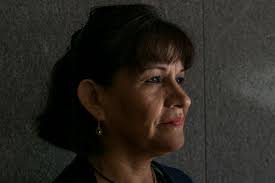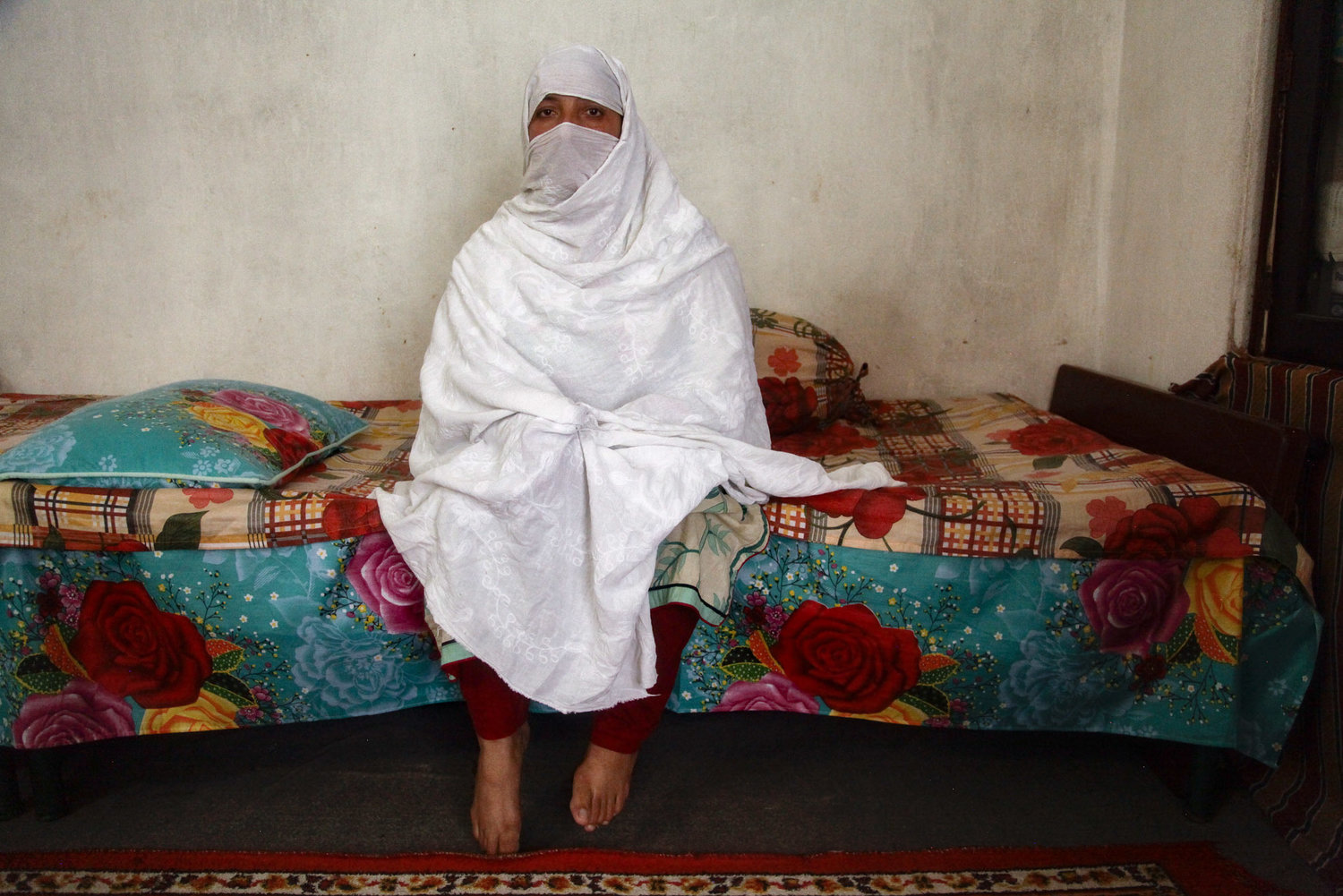
Mehnaz sits inside her home in Abbottabad, northern Pakistan. She has one son and six daughters. She has also had three abortions, fearing she would have more girls.
Diaa Hadid/NPR

When at 19 Mehnaz became pregnant for the fifth time, she panicked. She already had four daughters, and her husband was threatening to throw her out if she had another. So she did what millions of Pakistani women do every year: She had an abortion.

Like many of those women, her abortion was partly self-administered. “I kept taking tablets — whatever I laid my hands on,” she says. “I lifted heavy things” — like the furniture in her tiny living room. She drank brews of boiled dates — many Pakistanis believe the beverage triggers labor.

Mehnaz says she felt “a terrible pain in my stomach.” Her husband took her to a midwife, who told him the baby was dead. “She gave me injections and it came out,” Mehnaz says.

That was eight years ago. Since then she has had two more abortions, each time because she feared the baby would be a daughter.

Mehnaz, whose last name is being shielded to protect her identity, is one of millions of Pakistani women who have abortions each year. The deeply conservative Muslim country is estimated to have one of the highest rates of abortion in the world, based on a 2012 study by the New York-based Population Council, a nonprofit that advocates family planning. The rate that year was 50 abortions for every 1,000 women aged 15 to 44 — roughly four times higher than in the U.S.

According to family planning researchers, abortion provisions in the country’s penal code are vague. The procedure is “legal only in very limited circumstances,” notes the Guttmacher Institute.

The circumstances include a pregnancy that is dangerous to a woman’s health — or if there is a “need” for abortion, according to Zeba Sathar, the Pakistan director of Population Council, and Xaher Gul, a Karachi-based public health policy expert and lecturer who advises nonprofits. But what constitutes a “need” is not defined, they say.

What’s more, hospitals generally refuse to perform an abortion because most doctors believe it is illegal, Sathar and Gul say. Even when doctors know abortion is allowed in certain circumstances, they cite their own cultural beliefs to not undertake abortions except in urgent cases — for example, if a woman walks in with “an incomplete abortion,” Gul says.

That has left Pakistani women at the mercy of back-alley abortion providers.

Some of these women, like Mehnaz, will abort a fetus if they fear they are carrying a female child, who can be seen as an economic burden. But that’s not the only reason.

Pakistani women largely seek abortions because they either don’t know about contraception or cannot access reliable contraception — or they’ve stopped using contraception after suffering complications, Sathar says. According to her research, most of the women who seek abortions are married, poor and already have children. Only 30 percent of fertile-age women use modern contraceptives, according to a 2017 U.N. report.

“We found to our surprise that most of the women had more than three children, maybe as many as five,” Sathar says. “They were almost all — 90 to 95 percent — married. They were older, so they tended to be poorer, less educated.”

Pakistan’s high abortion and low contraception rates reflect a family planning policy in shambles, says Abdul Ghaffar Khan, director general of Pakistan’s population program wing. His office is meant to set the national family planning agenda, but Khan described the situation as “a bureaucratic mess.”

Family planning used to be the job of the federal government, but approval for a national policy languished for years.

In 2011, national authorities passed the matter to provincial governments. But at the provincial level, family planning is not part of the health ministry’s portfolio. It is part of a different office and has long been neglected and underfunded, Khan says.

That means women aren’t advised about contraception or supplied contraceptives when they are most amenable: after childbirth, receiving postnatal care or immunizing their babies, says Sathar of the Population Council. She described it as one of the chief “structural flaws of how we provide family planning.”

The issues with family planning are partly why Pakistan has one of the world’s fastest population growth rates, says demography expert Mehtab Karim, vice chancellor at Malir University of Science and Technology in Pakistan. That population boom has strained Pakistan’s land and water resources, crowded its schools, outstripped development plans and may lead to more instability in this nuclear-armed state. “It has a tremendous impact,” Karim says.

But changes may be coming. On July 4, Pakistan’s Supreme Court demanded hearings into the country’s family planning failures. A national policy may be put into action in the coming months, Khan says.

All this is too late for Mehnaz, who was married at 13 to her cousin in their tiny village and had four daughters in quick succession and seven children in all — six girls, one son. And three abortions. She is illiterate and said she didn’t know anything about sex or contraception early in her marriage.

In a group interview with NPR, about a dozen midwives who also provide abortions said they would only help a woman who already appeared to be miscarrying — like Mehnaz, who induced her own abortion before seeking help.

Mumtaz Begum, 60, stands in her clinic in Karachi, Pakistan. Begum says a midwife taught her how to induce abortions using medications freely available in Pakistan. Citing her religious faith, she says she would only help women who she believed were already miscarrying.

Diaa Hadid/NPR

“I don’t help with murder,” says Mumtaz Begum, a 60-year-old who lives in a slum in the port city of Karachi. She has no medical qualifications but says a midwife taught her how to induce abortions decades ago, using medications freely available in Pakistan.

On a recent day, Begum showed NPR those pills and injections. They were clustered on a dusty table alongside religious texts and a bag of onions in a dank room with peeling paint. The gurney where she treated women was littered with clothing. “I wipe it down before women come in,” she says.

Because many providers aren’t properly qualified, researchers estimate about a third of all women who undertake abortions in Pakistan suffer complications, ranging from heavy bleeding to a perforated uterus and deadly infections.

Health workers do reach out to women to provide information about family planning. Some 130,000 women are employed by provincial health ministries to do house visits across the country, teaching about birth control.

But Gul says health workers are poorly trained and in short supply. Budgetary shortages, supply problems and corruption mean they often don’t have contraceptives, or distribute expired contraceptives — and that there’s little follow-up on how to use them.

Mehnaz was paid a visit by two such workers. She says they gave her an injectionmeant to prevent conception for three months. She became pregnant again anyway. As before, she tried taking pills to induce an abortion but says they made her sick so she stopped taking them.

Three years ago she had her seventh child, a girl. She then tried taking the pill, offered by the visiting health workers.

She says it made her dizzy and she stopped taking it.

She again became pregnant but miscarried — and pleaded with doctors to sterilize her.

She says they told her she had to wait until she was 40 — or get a permission slip from her husband. He refused: “He says he can’t sign this, it’s a sin.”

She says he also refuses to use condoms or to stop having sex with her.

If she has another girl, her husband may well abandon her. If she tries to induce another abortion, her health could deteriorate.

“I am stuck,” she says.

With additional reporting by Saher Baloch in Karachi, Pakistan

Source: https://www.npr.org/sections/goatsandsoda/2018/11/28/661763318/why-the-abortion-rate-in-pakistan-is-one-of-the-worlds-highest?fbclid=IwAR0sSDlSQm_xN44iIbbeOFPAKCQTGMClFfv9SQr3XxerrUyEGqMpQ5z0JX8

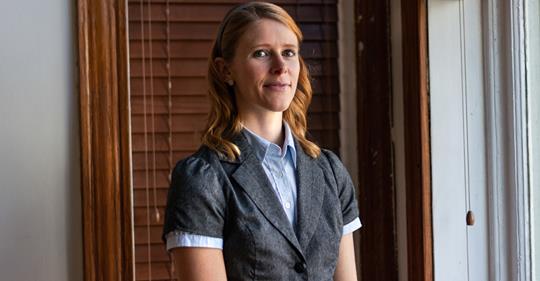
Dr. Kimberly Remski was told by a potential employer that she couldn’t provide abortions during her free time, something she felt called to do. “I realized it was something I really needed to do,” she says.
Kim Kovacik for NPR

Doctors who are opposed to abortions don’t have to provide them. Since the 1970s, a series of federal rules have provided clinicians with “conscience protections” that help them keep their jobs if they don’t want to perform or assist with the procedure.

Religious hospitals are also protected. Catholic health care systems, for example, are protected if they choose not to provide abortions or sterilizations. Doctors who work for religious hospitals usually sign contracts that they’ll uphold religious values in their work.

But as the reach of Catholic-affiliated health care grows, these protections are starting to have consequences for doctors who do want to perform abortions — even as a side job.

Religious hospitals often prohibit their doctors from performing abortions — even if they do so at unaffiliated clinics, says Noel León, a lawyer with the National Women’s Law Center. León was hired about two years ago to help physicians who want to be abortion providers. They have little in the way of legal protection, she says.

“Institutions are using the institutional religious and moral beliefs to interfere with employees’ religious and moral beliefs,” León says.

This kind of legal argument, León says, may prevent doctors from providing care they feel called to offer. And since many clinics that provide abortions rely heavily on part-time staff, it may also prevent these clinics from finding the doctors they need to stay open.

Dr. Kimberly Remski sought help from León when she was job hunting. She is a primary care physician but had always been interested in women’s health. When she first set foot in a clinic that provides abortions, she realized it was her passion.

“A lot of the things we spend our time doing in training are monotonous, or you’re getting swamped in work,” she says. “I just remember leaving the clinic feeling like I was doing something really important.”

She interviewed for a job as a primary care doctor with IHA, one of the largest physician groups in Michigan, in 2017. She says she was clear about her desire to work one day a week in an independent clinic that provides abortions.

Part-time work is common for outpatient physicians, and Remski says the doctors she interviewed with were receptive.

“I was very upfront. I told that them that was a special interest of mine. I wanted to be able to pursue it,” she says.

She signed a contract, and started preparing for her move. Then she got a call that the offer was off.

Noel León oversees a National Women’s Law Center program that provides legal support to doctors who want to perform abortions.

Mary Mathis for NPR

Remski learned that her potential employer was actually owned by a larger Catholic hospital network called Trinity Health, and it requires physicians to “provide services in a manner consistent with the Ethical and Religious Directives for Catholic Health Care Services,” according to her contract.

And, she says, she was shocked to learn Trinity Health would also have had a say over how she spent her free time. IHA officials told her that she couldn’t work on the side as an abortion provider if she took the job, Remski says.

Trinity Health had merged with IHA in 2010, part of a wave of mergers that has led to a net increase in Catholic ownership of hospitals. According to a 2016 report from MergerWatch, an organization that tracks hospital consolidation, 14.5 percent of acute care hospitals are Catholic-owned or affiliated. That number grew by 22 percent between 2001 and 2016, while the overall number of acute care hospitals dropped by 6 percent.

And as Catholic-affiliated health care expands, says León, doctors increasingly encounter morality clauses that prohibit them from performing abortions.

León says she has worked with at least 30 physicians and nurse practitioners from 20 different states who faced problems similar to Remski’s when they disclosed to their employers, or potential employers, that they planned to provide abortions.

“They’re being told, ‘We can’t provide the care we went into medicine to provide,’ ” León says. “We shouldn’t be putting providers in the position of caring for their patients or keeping their jobs.”

Representatives of IHA would not agree to a phone interview about Remski’s situation, but spokesperson Amy Middleton explained in an email that IHA “works hard with our physicians to enable them to pursue other positions.” But, she added, “outside work that interferes with a physician’s ability to serve patients or contradicts the organization’s practices could present a conflict of interest.”

IHA physicians follow Catholic health care guidelines, Middleton wrote, which requires that physicians “not promote or condone contraceptive practices.”

Dr. Barbara Golder, the editor of the Catholic Medical Association journal, Linacre Quarterly, says that language about morality is ubiquitous in contracts — and that it is reasonable that religious institutions might not want to be associated with abortion providers.

“The person is seen primarily as Dr. X of Catholic hospital Y, and then it turns out that Dr. X of Catholic hospital Y is doing abortions on the weekends,” Golder says. “There’s sort of a cognitive dissonance about that. It’s in opposition to what Catholic health care is.”

According to Lance Leider, a Florida attorney who has reviewed hundreds of physician contracts, it is “exceedingly common” for contracts, not just at religiously affiliated hospitals, to include language about the reasons an employer can fire a doctor, including but not limited to morality clauses.

“There’s always a laundry list of things the employer can terminate the contract for,” Leider says. “There’s usually a catch-all. Anything that calls into question the reputation of the practice.”

These clauses tend to be vague, León adds, which means employers can invoke them to prevent a wide range of activities, like political activity, controversial posts on social media or, in religious hospitals, physicians spending time at clinics that provide abortions.

The restrictions may have ramifications not only for physicians but for many clinics that provide abortions. Smaller clinics may be staffed almost entirely with part-time doctors, and when they can’t find enough, they’re sometimes left unable to meet the demand for services.

“We don’t have full-time doctors,” says Shelly Miller, the executive director of Scotsdale Women’s Center in Detroit, one of the clinics where Remski worked. “We really cannot afford to have a provider sit here all day and wait for patients to come in.”

Through her involvement with the National Abortion Federation, Miller often talks with other directors of small clinics that provide abortions and sometimes other women’s health services. She says that many of her counterparts say they exclusively hire part-time physicians because they simply don’t need somebody full time. If more physicians are prohibited from part-time abortion work, it may put some smaller clinics out of business, Miller worries.

It’s hard to know exactly how many of these clinics primarily use part-time staff, according to Rachel Jones, who studies the demographics of U.S. abortion services at the Guttmacher Institute, a family planning research organization. Ninety-five percent of abortions take place in clinics as opposed to hospitals, Jones notes, which may be more likely to utilize a team of part-time staff.

León doesn’t have data to show how common it is for physicians to be threatened with termination for providing abortions. She guesses that doctors will either give up on providing abortions — or, like Remski did, look for a different job that allows them to. León spends much of her time speaking to groups of doctors about how to approach contract negotiation if they want to provide abortions.

Ultimately, Remski says, she parted amicably from IHA, since “it felt like the wrong place for me.”

She ended up finding a job at an urgent-care clinic in Michigan, which allowed her to work part time at three separate clinics that provide abortions. She has since moved to Chicago, where she also splits her time between providing abortions and primary care.

“I was providing a service that was needed and necessary,” Remski says. “I realized it was something I really needed to do.”


Mara Gordon is a family physician in Washington, D.C., and a health and media fellow at NPR and Georgetown University School of Medicine.

Source: https://www.npr.org/sections/health-shots/2018/11/26/668347657/for-doctors-who-want-to-provide-abortions-employment-contracts-often-tie-their-h?fbclid=IwAR0OSHpHRFZpwwY_WLrPBnmzeGEohrOF2_WwHwtOuGwVO1uTBU_8r9AUe5E

The latest slate of President Trump’s judges include longtime abortion rights foes who could undo reproductive rights for decades to come.

McConnell has pushed through federal judges who oppose a range of constitutional rights, including abortion rights.
Shutterstock

Senate Republican leaders are poised to advance dozens of President Trump’s judicial nominations before the new U.S. Congress convenes in January, despite an attempt from Sen. Jeff Flake (R-AZ) to impede the process.

The Senate Judiciary Committee was scheduled to advance six Circuit Court nominees on Thursday, but the committee canceled its meeting after Flake vowed to vote against judicial nominations unless Senate Majority Leader Mitch McConnell (R-KY) schedules a vote on bipartisan legislation to protect special counsel Robert Mueller’s investigation into Trump.

While Flake’s tactic could slow down the nomination process, McConnell could still bring nominees directly to the floor. He has repeatedly stated the judiciary remains his top priority during the lame duck session.

Trump has already appointed a record-breaking number of federal judges, pushing more federal judges through the Senate than any recent president. Trump and congressional Republicans have packed federal courts with ultra-conservative judges, many of whom are opposed to abortion rights and are members of the far-right Federalist Society, a nationwide organization of conservative lawyers.

The Senate has confirmed 53 Trump nominees for federal district courts, most of whom replaced Democratic appointees. Trump has also filled 29 vacancies on federal appeals courts—the last stop before the U.S. Supreme Court, thus reshaping the judicial landscape. As Republicans in more and more states pass anti-choice legislation, the makeup of federal courts could have a lasting effect on reproductive rights.

Here are some of the most vocal opponents of reproductive rights, LGBTQ rights, and voting rights set for confirmation of lifetime appointments to federal courts.

Wendy Vitter, U.S. District Court for the Eastern District of Louisiana Nominee

Vitter is the general counsel for the Roman Catholic Archdiocese of New Orleans and wife of former GOP Louisiana Sen. David Vitter. She has withheld information from the Senate Judiciary committee about her anti-choice record, publicly misrepresenting her background in a confirmation hearing, and failing to state whether the landmark cases Brown v. Board of Education and Roe v. Wade were correctly decided.

Vitter, in May 2013, gave a speech in protest of a new Planned Parenthood clinic in New Orleans, saying at the time, “Planned Parenthood says they promote women’s health. It is the saddest of ironies that they kill over 150,000 females a year.”

In November 2013 Vitter led a panel called “Abortion Hurts Women,” where she appeared to endorse a pamphlet featuring debunked claims linking birth control to breast and cervical cancer. That panel included Dr. Angela E. Lanfranchi, a breast cancer surgeon featured as one of Rewire.News‘ “False Witnesses” for her dubious talking points on abortion care and breast cancer.

Jonathan Kobes, Eighth Circuit Nominee

Kobes serves as general counsel for U.S. Sen. Mike Rounds (R-SD). Kobes represented an anti-choice women’s health center in South Dakota, defending a state law requiring physicians to make deceptive statements to people seeking abortion care, including disproven claims about the risk of suicide. Kobes claimed that abortion terminates the life of a whole, separate human being, also known as fetal “personhood.” The American Bar Association rated Kobes as “not qualified” to serve as a federal appellate judge, the second of Trump’s nominees to the Eighth Circuit to receive such a rating.

Matthew Kacsmaryk, District Court of the Northern District of Texas Nominee

Kacsmaryk serves as deputy general counsel to the First Liberty Institute, a nonprofit legal organization dedicated to religious liberty. Kacsmaryk has represented religiously affiliated institutions which oppose the Affordable Care Act’s birth control benefit, advancing arguments that falsely equate certain methods of contraception to abortion. Kacsmaryk has disputed the legal foundation of Roe v. Wade, and has arguedthat the legal right to abortion has weakened the institution of marriage.

Michael Truncale, U.S. District Court for the Eastern District of Texas Nominee

Truncale is a Texas lawyer and a partisan conservative. In 2012, Truncale called for “defunding” Planned Parenthood and boasted about marching in an anti-choice rally. He has criticized former Texas state Sen. Wendy Davis, who undertook a 13-hour filibuster in 2013 to delay a vote on a GOP-backed anti-abortion bill.

In a 2016 article in the Golden Triangle Republican Woman Gazette, titled “The Reason to Vote for Trump,” Truncale wrote, “The liberal Supreme Court will also consider President Obama’s actions in rewriting laws like Title IX, which prohibits discrimination based on sex—by redefining the word ‘sex’ to mean ‘gender identity’ or even a person’s ‘internal sense of gender,’” and that liberals want to “force Christian photographers to use their artistic skills to celebrate same-sex weddings.”

Brian Buescher, U.S. District Judge for the District of Nebraska Nominee

Buescher is an attorney based in Omaha, Nebraska, with a track record of conservative activism and hostility toward reproductive freedom and LGBTQ rights. In response to a 2014 questionnaire from the anti-choice organization Nebraska Right to Life, Buescher stated he believes abortion should be illegal in all instances except to prevent the death of the pregnant person.

In a 2014 voter guide video from the Nebraska Family Alliance, Buescher said, “When regulating abortion, my view is this, we should regulate abortion as much as we possibly can. I’m in favor of banning abortion.”

Thomas Farr, U.S. District Court for the Eastern District of North Carolina Nominee

Farr is a lawyer based in Raleigh, North Carolina, with a history of opposing voting rights, representing North Carolina against voting rights groups accusing the state of discrimination. North Carolina’s GOP-controlled legislature hired Farr in 2013 to defend a set of voting restrictions a federal appeals court ultimately struck down for targeting Black voters. The North Carolina legislature hired Farr to defend redistricting maps that have since been invalidated in court due to racial gerrymandering.

Flake voted against Farr’s confirmation Wednesday afternoon, forcing Vice President Mike Pence to break the 50-50 tie in the Senate. The next vote to advance Farr’s nomination was scheduled for Thursday, but has been moved to next week. GOP Sens. Lisa Murkowski (AK) and Tom Scott (SC) were hesitant on Farr’s confirmation as of Thursday afternoon.

Source: https://rewire.news/article/2018/11/29/mitch-mcconnell-determined-to-confirm-trumps-radical-anti-choice-judges/

As Mexico’s largest Catholic health-care system, Christus restricts a range of reproductive health services, including contraceptives, sterilization, abortion, and in vitro fertilization.

Catholic hospital restrictions like the ones at Christus meant Sonia Gutiérrez Leon couldn’t get the tubal ligation she sought.
Meghan Dhaliwal / Rewire.News

It costs about a month’s salary for the average Mexican to deliver a baby at the the hospital that looms, with a cross on top, over a busy street in the commercial hub of Monterrey. For an extra 10 percent per night, the equivalent of $133, patients can stay in hotel room-like “master suites.” In 2007, this hospital, Christus Muguerza Alta Especialidad (“High Specialty”), became the first in Mexico accredited by the prestigious Joint Commission International. Among its state-of-the-art offerings are intrauterine fetal surgery and a specialized treatment for oxygenating blood outside the body.

But there are some services this facility won’t offer—including intrauterine devices (IUDs), as Rewire.News discovered when we called its obstetrics division to ask about the availability of contraception.

“It’s a religious hospital,” a representative told us. “By policy, it’s not allowed.”

A company executive later confirmed to Rewire.News that the restrictions apply to a range of reproductive health services, including contraceptives, sterilization, and in vitro fertilization (IVF).

That’s not because contraceptives are restricted in Mexico, where 81 percent of the country is Catholic—in fact, they are available in pharmacies without a prescription, and getting an IUD inserted postpartum may be easier in Mexico than in the United States. But this hospital is part of Christus Health, a Catholic system based in Irving, Texas, that has grown to become Mexico’s third largest private health-care provider—and the only U.S.-based Catholic health system operating in Mexico. Christus describes itself as Mexico’s largest Catholic health-care system. In keeping with Catholic teachings, it restricts reproductive care.

Christus bought a majority stake in Mexico’s Catholic Hospital Muguerza in 2001 with an eye toward luring U.S. patients to Mexico, where health care is cheaper, although the company now says less than 3 percent of Christus Muguerza services are through medical tourism. Muguerza’s projected profit margin around the time of the purchase was better than that of most Christus facilities. The company’s expansion into Latin America “makes good business sense in the long term,” a Christus official wrote in 2016.

Rewire.News has reported extensively on the spread of Catholic hospitals in the United States, where they account for one in six acute-care beds. Christus Health, one of the ten largest U.S. Catholic health systems and the sole hospital for at least four U.S. communities, has taken this expansion international, becoming a leading health-care provider in three countries in Latin America. In total, more than 60 Christus hospitals and long-term care facilities and 350 outpatient centers sprawl across Texas, Arkansas, Louisiana, New Mexico, Iowa, and Georgia, as well as Mexico, Colombia, and Chile. Last year, Christus made headlines when it paid $12 million to settle claims it bilked a U.S. program that provided funds to hospitals to treat poor people. With control of more than $6 billion in assets and a CEO who makes more than $4 million a year, it is—like many Catholic hospitals—a nonprofit exempt from U.S. taxes.

[Photos: Staff members stand in a hallway in Christus]

Staff in Irapuato stand inside one of Christus Muguerza’s four ambulatory surgery centers. (Amy Littlefield / Rewire.News)

Wherever it operates, Christus Health refuses to “perform, promote, or condone” abortion or sterilization, according to its ethics code. To interpret these rules, Christus Muguerza consults with Catholicbishops in the United States and Mexico, where it runs ten hospitals, four ambulatory surgery centers, and 14 outpatient medical centers, according to Alberto Sánchez, the regional operations director. Christus Muguerza also runs two nursing schools, four low-income clinics, and its own maternity home and adoption agency, Casa Cuna Conchita, which seeks to “protect life from its beginning,” and which Sánchez said allows adoptions only to heterosexual couples.

In Mexico, abortion is illegal except in Mexico City—where Christus has no health centers—but allowed in cases of rape and, in some states, a threat to the pregnant person’s life. In an interview at the company’s gleaming new surgery center in Irapuato, Sánchez said abortion cases where a patient’s life is in danger would go before ethics committees composed of lawyers, doctors, priests, and representatives of society. While the company’s ethics code does not mention IVF or contraception, Sánchez said these services are banned too.

But as with Catholic hospitals in the United States, in practice, it is more complicated. When Rewire.News called Christus Muguerza facilities to ask about contraception, some said they offered it. Company officials attributed the discrepancy to the fact that independent physicians who rent office space in Christus facilities may offer it in their private practices, although “we don’t recommend it,” Sánchez said. Sánchez also said Christus Muguerza sells contraceptives over the counter in pharmacies located inside its facilities because they can be used for medical purposes like regulating menstruation.

The same discrepancy emerged when Rewire.News asked about tubal ligations. A representative at the Alta Especialidad hospital in Monterrey, for example, said patients can get a tubal ligation after a cesarean section if they meet certain medical criteria—a loophole that is not uncommon in U.S. Catholic hospitals.

Asked to clarify the discrepancies, the company said in a statement that “there are clinical situations and medical reasons that a physician in one of our facilities in the U.S. or Mexico would provide” tubal ligations or contraception. They cited a provision of the ethical directives issued by U.S. bishops that allows sterilization to address “a present and serious pathology.”

“In the same way, some contraceptive treatments may be prescribed to address other serious medical issues, such as a type of IUD, which has been approved by the FDA to help manage excessive menstrual bleeding,” the statement said.

Yet in a country where birth control is widely available, reproductive health activist Oriana López Uribe laughed at the idea of a multinational health-care company trying to restrict access for paying clients.

“Who’s going to go to a hospital that doesn’t provide contraceptives? Especially if they are going to charge you,” López Uribe said.

Her bemusement stems from the fact that Mexico, unlike the United States, has a robust publicly run health system that covers contraception. Today, most Mexicans can access their health care through one of three publicly administered programs that each have their own health-care facilities, depending on whether a patient is a private employee, public worker, or outside these work forces.

Over the past 15 years, the Mexican government has moved to bolster access to health care for the poor, earning praise on the international stage for enrolling more than 50 million people in publicly subsidized health insurance. While the country has made strides toward universal insurance coverage, its health outcomes remain unequal. Married women who lack health insurance, for example, have an unmet need for contraception that is almost double that of their insured counterparts. (Overall, 28.9 percent of single women have an unmet need for contraception, versus 11.5 percent of married women.) Meanwhile, poor people with diabetes live eight years less than their wealthy counterparts, a discrepancy that reflects a “chronic crisis” caused by underfunding, according to Dr. Rafael González, a professor at the National Autonomous University of Mexico’s School of Medicine.

At the same time, the private health-care sector, which accounts for about half of the country’s health-care spending, has seen a rise of major corporations. Hospitales Angeles is part of a sprawling corporation that includes the Camino Real hotel chain, a newspaper, and a TV channel. Mexican billionaire Carlos Slim, one of the world’s richest men, has moved into the the country’s health-care system with his company, Hospitales Star Médica. And then, of course, there is Christus.

Experts and advocates repeatedly told Rewire.News that private hospitals like Christus, which exist outside of the public system and where patients pay out of pocket or with private insurance, are only for the rich.

“The people who are going to go to these hospitals are people who have money, and who are accustomed to making their own decisions,” López Uribe said, expressing disbelief such patients would tolerate restrictions on birth control.

But more than a third of Mexicans covered by public programs still turn at times to private outpatient care. Even among Mexico’s lowest socioeconomic classes, about 18 percent of patients seek care from a private doctor as their point of first contact. Patients enrolled in publicly run programs may turn to the private sector to avoid what can be months-long wait times for certain services or because they believe—accurately or not—that they will get better care.

Dr. Noé Alfaro Alfaro, a professor at the University of Guadalajara, says there is a “hidden privatization” of health-care services in Mexico, including through government outsourcing of public services to private companies. Like other major companies, Christus Muguerza participates in these types of arrangements; in Chihuahua, for example, the company has a contract to provide care for state employees. On a broader level, Christus is trying to attract Mexicans enrolled in public programs with promotions, memberships, and high-end technology.

Sánchez said there are many Mexicans who “look for private health care that is cheap, affordable.” That’s why Christus is moving toward ambulatory care that allows it to “have very competitive prices,” he said.

Christus also runs four clinics for low-income patients in the cities of Monterrey, Chihuahua, and Saltillo. When Rewire.News called these clinics, two said they offered no contraception while the other two said they don’t insert contraceptive devices, but offered consults with gynecologists.

Reliance on private facilities like these that follow Catholic dictates can have a profound effect on patients’ lives.

Sonia Gutiérrez Leon, now in her mid-50s, lives in Guadalajara: the capital of the western coastal state of Jalisco, one of Mexico’s most conservative states. After she got married, she planned to have no more than two children, so that she could keep working and pursue her plans to study and travel. So when she was pregnant with her second son in her late 20s, she asked her doctor to tie her tubes. She delivered in a private Catholic hospital paid for by her employer, a major bank. But the doctor refused to perform the tubal ligation, saying Gutiérrez Leon was too young. When she insisted, he said she might divorce and want to start another family. But Gutiérrez Leon was adamant: Even if she got divorced, she didn’t want more kids.

“And finally he told me: It’s because it’s a Catholic hospital, and we can’t operate on you,” Gutiérrez Leon recalled in an interview with Rewire.News.

“I was angry, because even though I was Catholic at that time, I didn’t think he should be able to make the decision about something that I wanted.”

By the time she got pregnant again, Gutiérrez Leon had left her job to care for her two young children. Hoping to avoid what she thought would be poor treatment in the public hospitals, she chose a less expensive private facility that also turned out to be Catholic. A doctor again refused to perform a tubal ligation.

Her husband kept promising he would have a vasectomy, but he never did. Before long, she was pregnant for a fourth time. This time she found a non-Catholic hospital, but by then she and her husband were struggling financially; she forewent an epidural to save money and couldn’t afford a tubal ligation. After her fourth son was born, she broke off her sexual relationship with her husband. She was too terrified of getting pregnant again.

“I look at my sisters, who had no more than two kids, and they could travel, they had more chance to advance,” she said. “And I didn’t. With four kids, no. I couldn’t.”

[Photo: A picture of new-looking medical equipment]

Like its other facilities, Christus’ ambulatory surgery center in Irapuato will not provide sterilization procedures or IVF. (Amy Littlefield / Rewire.News)

The hospitals at which Gutiérrez Leon sought care weren’t operated by Christus, but they shared the company’s religious tenets. In the decades since her experience, Catholic hospitals have maintained a presence across Mexico—including Christus, which has expanded rapidly. One of its newer facilities is an ambulatory surgery center in the industrial city of Irapuato, set in a commercial area near an upscale bowling bar and a luxury housing complex. On a tour of the facility, Christus representatives proudly displayed its offerings: the area’s most modern ultrasound equipment and endoscopy processes, the state’s only plasma autoclave for sterilizing instruments, the city’s most advanced blood analysis machine.

But this facility won’t provide sterilization procedures or IVF, Sánchez said. Nor will it perform abortions, even in cases of rape, a circumstance under which it is legal across Mexico. Asked how Christus Muguerza handles this legal right to abortion for rape victims, Sánchez said, “We prefer to avoid it.”

A Christus communications official interjected: “They refer the cases, no?”

Sánchez clarified that if a rape victim came to their facility, they would attend to them before referring them elsewhere. But he said they do not provide a crucial piece of this attention: emergency contraception.

In addition to greater investment in the public health sector, supporters of incoming President Andrés Manuel López Obrador are hoping for a liberalization of Mexico’s harsh anti-abortion laws. While López Obrador himself raised concerns by building an alliance with a conservative, evangelical party, his chosen interior minister, Olga Sánchez Cordero, has called for decriminalizing abortion in the first trimester. In late October, two legislators from López Obrador’s MORENA party introduced legislation aimed at legalizing abortion nationwide. These moves come amid a rising tide of protests across Latin America demanding the legalization of abortion and an end to religious attitudes that have kept women from living full lives.

On September 28, Sonia Gutiérrez Leon, now a political activist who supported López Obrador’s campaign, was among hundreds of people who marched through Guadalajara as part of the so-called Green Wave of abortion rights protests that began in Argentina. Gutiérrez Leon sees Catholic hospitals as part of the oppressive religious dogma that this movement is up against. So she was discouraged to hear about U.S.-based Christus expanding in Mexico.

“I think these companies can bring us other, more positive things, like technology and invention and other things that can come out of their development, and not these religious dogmas,” she said. She went on to tick off a list of U.S. exports she would appreciate: culture, American football, ballet teachers. Anything but more Catholic dogma. “If Mexico has anything, it’s churches,” she said.

Source: https://rewire.news/article/2018/11/27/meet-christus-the-us-catholic-health-chain-restricting-access-to-reproductive-care-in-mexico/

“What scares me the most … is that there’s just this palpable level of dissension and fear. It almost makes me feel like this is going to happen again.”

Anti-choice activists have tried to distance themselves from violent acts committed by those who oppose abortion rights.
Chip Somodevilla/Getty Images

It’s been three years since a shooter, who would later repeat talking points from an anti-choice propaganda campaign, walked into a Planned Parenthood clinic in Colorado and killed three people. Dr. Savita Ginde, the clinic’s medical director at the time of the shooting, warns the anti-choice movement’s violent rhetoric still poses a grave threat to providers and patients who seek reproductive health care.

On November 27, 2015, Robert Lewis Dear, Jr. entered the Colorado Springs clinic and began shooting an assault-style rifle. By the time he surrendered after a standoff that lasted several hours, three were killed and nine were wounded.

The attack came just a few months after the anti-choice front group known as the Center for Medical Progress (CMP) released a string of highly-edited and misleading videos purporting to show abortion providers engaging in nefarious activity. One of the videos included footage showing Dr. Ginde discussing Planned Parenthood’s program that provides fetal tissue, donated by people who have an abortion or miscarriage, for use in medical research. The anti-choice movement held up the videos as evidence that Planned Parenthood was an unethical organization involved in the illegal sale of fetal organs, despite a lack of proof of any lawbreaking.

The anti-choice movement erupted, and their outrage was directed in large part at Dr. Ginde. She was forced to flee her home after protesters descended upon her neighborhood and handed out flyers that said things like “Savita Ginde murders children at Planned Parenthood with your consent.”

Dear used the phrase “no more baby parts” to law enforcement to explain his actions at the time of his arrest. Dear has repeatedly been deemed mentally incompetent to stand trial.

The anti-choice movement has been quick to distance itself from overtly violent acts by those opposed to abortion rights, but Ginde asserts the shooting serves as an example of how the movement’s intentionally inflammatory rhetoric can lead to a deadly result.

“The man who did the shooting was delusional, but he was triggered, and he was triggered by the videos, and he was triggered by the aftermath of the videos that played itself out through social media platforms,” Ginde told Rewire.News. “For me, the thing that should come out of it is people taking ownership that their language and their taking to social media to express their views has a toll and can create a snowball effect.”

“You have to kind of watch out what you wish for,” she said.

Dear isn’t the only one who appears to have been influenced by the heavily edited CMP videos, which prompted Republican-led investigations into Planned Parenthood that turned up nothing. A report from the National Abortion Federation (NAF) revealed that 2015 saw a spike in incidents of anti-choice hate speech, internet harassment, death threats, attempted murder, and murder, incidents that coincided with the Planned Parenthood smear campaign—a campaign coordinated by CMP and GOP lawmakers.

The incidents documented in the NAF report include 94 threats of direct harm against abortion providers in 2015, compared to only one such threat the year prior.

Ginde, for one, is worried that “nothing has changed” since 2015 to de-escalate the violent anti-choice rhetoric that led to the shooting.

“What scares me the most when I take my own pulse of what’s going on is that there’s just this palpable level of dissension and fear. It almost makes me feel like this is going to happen again,” Ginde said. “Right or left, wherever you stand, I would never want what we went through to happen to somebody else. We’ve got to be better than that.”

Ginde hopes to open up discussion about how to combat anti-choice violence with her upcoming book, The Real Cost of Fake News: The Hidden Truth Behind the Planned Parenthood Video Scandal, which comes out this month.

“We have to make sure that people are looking at the facts, and that we’re making decisions based on scientific facts and research and not on rhetoric,” Ginde said. “It’s the dramatic and sensationalized verbiage that gets us into a no-win situation, and if no one wins, then what’s the point?”

One way to move forward, she says, is to work toward a shared goal of reducing the abortion rate by making birth control more accessible.

In Colorado, for example, a state-run program that provided IUDs at little or no cost to teens was highly successful at reducing teen pregnancy—and cut the state’s teen abortion rate nearly in half. Still, some Republican state lawmakers opposed the program and attempted to slash funding.

“We have to find a solution, and there are solutions, and so the question is, why aren’t we embracing those solutions?” Ginde said. “If someone is against birth control, they can have that belief and carry that through, but I don’t understand why they would want someone who has a different belief to have to abide by theirs.”

Source: https://rewire.news/article/2018/11/27/nothing-has-changed-violent-anti-choice-rhetoric-remains-three-years-after-colorado-planned-parenthood-shooting/

A 15-week abortion ban struck down in Mississippi is just one of several recent efforts to challenge Roe v. Wade.

An anti-abortion activist rallies outside of the Supreme Court during the March for Life, January 27, 2017. Photo by Win McNamee/Getty Images

Donald Trump promised during his presidential campaign that he would appoint anti-abortion judges to the Supreme Court and that Roe v. Wade would be overturned “automatically.”

It won’t be “automatic,” but with Justice Brett Kavanaugh now serving on the Court, a reversal of that landmark abortion decision looks increasingly likely. And regardless of what happens on the Supreme Court, Trump’s presidency has already begun shaping abortion law around the country. Perhaps emboldened by his judicial appointments, legislators are introducing new abortion bans that directly challenge the tenets of Roe.

One such law, a ban on abortions after 15 weeks, was signed by Mississippi Gov. Phil Bryant, a Republican, in March. More states have moved to restrict abortion since: On May 4, Republican Iowa Gov. Kim Reynolds signed a bill banning abortions after a doctor can detect a fetal heartbeat, or as early as six weeks. The Ohio House of Representatives passed a similar bill in November.

The Mississippi law, which contains exceptions for medical emergencies or severe fetal abnormalities, but none for rape or incest, was immediately challenged in court by the Jackson Women’s Health Organization, the state’s last abortion clinic. On November 20, a federal judge struck down the law, arguing that it “unequivocally” infringes on women’s rights. It’s not clear whether the state will appeal.

Anti-abortion groups for years have been trying to close Jackson Women’s Health, also known as “the pink house” for the building’s bright paint. But the Mississippi law may also be part of a broader effort by anti-abortion advocates to bring a challenge to Roe v. Wade before what they hope will be a friendly Supreme Court. The ultimate goal is to open the door for nationwide restrictions on abortion rights. And with Trump in the White House, that goal might be more achievable than ever.

The Mississippi ban is in clear conflict with Roe v. Wade

Mississippi’s ban was in effect for less than an hour before Jackson Women’s Health filed suit. “The law is blatantly unconstitutional,” said Hillary Schneller, a lawyer for the Center for Reproductive Rights who is representing the clinic.

The Supreme Court has said in Roe v. Wade and elsewhere that states cannot ban abortion before viability, when a fetus can survive outside the womb. Viability varies from pregnancy to pregnancy, but doctors today typically put it around 24 weeks. No fetus is viable at just 15 weeks, as the clinic’s lawsuit points out.

The ban could have had an impact almost immediately. According to court documents, one patient who was more than 15 weeks pregnant was scheduled for an abortion on March 20. The ban would have forced the clinic to turn her away.

That afternoon, however, a judge granted a temporary restraining order blocking the ban from taking effect for 10 days. That allowed the clinic to perform the procedure on the patient who was scheduled for March 20, Schneller told Vox, as well as performing abortions for patients who have already scheduled abortion counseling appointments with the clinic. Mississippi law requires that patients receive counseling at least 24 hours before an abortion.

On November 20, US District Judge Carlton Reeves struck down the 15-week ban and issued a sharp criticism of its supporters in the Mississippi legislature, as CNN reports. “The state chose to pass a law it knew was unconstitutional to endorse a decades-long campaign, fueled by national interest groups, to ask the Supreme Court to overturn Roe v. Wade,” he wrote. He also said that the state’s “professed interest in ‘women’s health’ is pure gaslighting.”

It’s not yet clear if the state will appeal the ruling, but a spokesperson for Gov. Bryant said in a statement that the governor “fully supports the defense of this law moving forward.”

In the long term, Schneller is optimistic about her clients’ chances. “The Supreme Court has said for over 40 years that a state cannot ban abortion prior to viability,” she told Vox.

“Every time in the recent past,” she added, “when the court has been asked to review court decisions striking down previability bans at six weeks, at 12 weeks, at 20 weeks, the court has refused to hear those challenges. In that way, again, they are saying they are not ready to revisit this very clear line.”

But anti-abortion groups see an opening

Previability bans have been struck down in Arizona, North Dakota, and Arkansas in recent years. But states keep trying. Legislators around the country have introduced a variety of restrictions in recent months:

  • On March 19, legislators in Ohio introduced a bill that would ban abortion outright in the state. That bill has yet to come up for a vote, but on November 15, the Ohio House of Representatives passed a bill that would ban abortion after a fetal heartbeat can be detected — which can happen as early as six weeks. The bill now goes to the state Senate.
  • In May, Gov. John Bel Edwards of Louisiana, a Democrat, signed a bill banning abortion after 15 weeks; it will only take effect if the Mississippi law is upheld, according to the Associated Press.
  • bill passed by the Iowa state legislature on May 2 and signed by Gov. Reynolds on May 4 requires patients seeking abortions to get an ultrasound. If the scan detects a fetal heartbeat, the patient is banned from getting an abortion, except in cases of rape, incest, a threat to the patient’s life, or severe fetal anomaly. Proponents of the bill say they hope it will make it to the Supreme Court and lead to the overturning of Roe.
  • On March 27, the Kentucky House of Representatives passed a bill banning dilation and evacuation, a procedure often used in second-trimester abortions, if a patient is more than about 11 weeks pregnant. The bill, signed into law by Republican Gov. Matt Bevin in April, is facing a court challenge.
  • Republican Gov. Eric Holcomb of Indiana signed a law on March 25 that will require doctors who treat patients for complications of abortion to report to the state those patients’ age, race, and county of residence, among other information. Critics of the law say it will stigmatize abortion, which has relatively low complication rates compared with other standard medical procedures, according to the Associated Press.

Of course, abortion restrictions at the state level are nothing new. In 2012, Jackson Women’s Health filed suit against a Mississippi law requiring that doctors performing abortions have admitting privileges at a local hospital. That law was blocked in 2013.

But recently, anti-abortion groups and legislators may be focusing more attention on previability bans like Mississippi’s. One possible reason, said Heather Shumaker, senior counsel for reproductive rights and health at the National Women’s Law Center, is that the Supreme Court decision in Whole Woman’s Health v. Hellerstedt makes it harder for anti-abortion advocates to pursue a previous strategy of passing laws that restrict clinic operations, sometimes severely enough to drive them out of business.

In Whole Woman’s Health, the Court found that several such laws, including one requiring doctors to have admitting privileges, imposed an undue burden on patients seeking abortions and were unconstitutional.

Another reason for the new bans might be the Trump administration. In addition to two Supreme Court justices widely seen as anti-abortion, Kavanaugh and Neil Gorsuch, Trump has also nominated — and the Senate has confirmed — more than a dozen federal district court and appeals court judges considered to be friendly to anti-abortion causes, as NPR reports.

“The anti-abortion movement is feeling emboldened to really kind of take the next step,” Shumaker said. That explains “this approach to push a clearly unconstitutional ban on abortion in states where they think that it could be successful.”

The ultimate goal, she said, is to get one of the bans to the Supreme Court, where a favorable decision would pave the way for previability bans around the country.

Some dispute whether the actions of the Trump administration had anything to do with Mississippi’s 15-week ban. The Mississippi Center for Public Policy, a think tank that helped draft the law, was inspired by other countries around the world that limit abortion after the first trimester, said Jameson Taylor, the group’s acting president.

“We’re proud that we can take the lead in making that the standard for the state of Mississippi, and hopefully that can become the standard for the rest of the country,” Taylor added.

He believes the Supreme Court has already abandoned the viability standard for judging state abortion restrictions, arguing that the Court’s 2007 decision in Gonzales v. Carhart, which upheld a law banning certain types of late-term abortions, also upheld the legality of imposing previability restrictions on the procedure.

“We’re confident that the Supreme Court will ultimately uphold this law,” he said.

It’s far from clear that Mississippi’s ban will get to that point. But regardless of what happens in Mississippi, more such cases are likely to follow, whether they come from Ohio, Louisiana, or elsewhere. And the more anti-abortion judges Trump adds to the federal bench, the better chance each case has of succeeding.

Source: https://www.vox.com/2018/3/22/17143454/trump-ohio-heartbeat-bill-abortion-ban-mississippi?fbclid=IwAR1SnDR5eYCU-PG3_TW8SPwFHJU9HRdXnDjurJbodOHep0_BBTOgrxSyktY

Mississippi’s attorney general said Friday he will appeal a federal judge’s ruling that struck down one of the most restrictive abortion laws in the United States.

U.S. District Judge Carlton Reeves ruled Tuesday that a Mississippi law banning most abortions after 15 weeks “unequivocally” violates women’s constitutional rights. On Friday, the state’s Democratic attorney general, Jim Hood, said that other federal circuits have reviewed laws banning abortion at 15 to 20 weeks, but the 5th U.S. Circuit Court of Appeals has not yet reviewed such a case.

“Because there is no controlling decision from our Fifth Circuit, it is our duty to appeal this ruling,” Hood said in a statement.

The 5th Circuit handles cases from Mississippi, Louisiana and Texas. It is generally considered one of the most conservative federal appellate courts.

The only abortion clinic in Mississippi says it provides abortions until 16 weeks, and it sued when Republican Gov. Phil Bryant signed the 15-week ban on March 19. Reeves issued a temporary restraining order the next day to keep the state from enforcing the law.

Bryant indicated Wednesday that he was interested in an appeal of Reeves’ ruling. As attorney general, Hood is in charge of deciding whether the state will appeal.

Hood has already announced he’s running for governor in 2019, when a term-limited Bryant may not seek re-election.

The Mississippi law and the responding lawsuit set up a confrontation sought by abortion opponents, who are hoping federal courts will ultimately prohibit abortions before a fetus is viable outside the womb, the dividing line that the U.S. Supreme Court set in its 1973 ruling saying that women have the right to terminate pregnancies.

An Iowa law, also challenged in court, bans most abortions once a fetal heartbeat is detected.

The Mississippi law would allow exceptions to the 15-week ban in cases of medical emergency or severe fetal abnormality. Doctors found in violation of the ban would face mandatory suspension or revocation of their medical license.

In his ruling Tuesday, Reeves cited Supreme Court rulings and wrote that states may not ban abortions before viability. He wrote that viability must be determined by trained medical professionals, and the “established medical consensus” is that viability typically begins at 23 to 24 weeks after the pregnant woman’s last menstrual period.

“The fact that men, myself included, are determining how women may choose to manage their reproductive health is a sad irony not lost on the Court,” Reeves wrote. “… As a man who cannot get pregnant or seek an abortion, I can only imagine the anxiety and turmoil a woman might experience when she decides whether to terminate her pregnancy through an abortion. Respecting her autonomy demands that this statute be enjoined.”

Because of Reeves’ ruling on the Mississippi law, a similar law in Louisiana is on hold. The 15-week abortion ban signed by Louisiana Democratic Gov. John Bel Edwards earlier this year contains language saying the law will take effect only if a federal court upholds the law in Mississippi.

Source: https://www.cbsnews.com/news/mississippi-will-seek-to-revive-law-on-15-week-abortion-ban/?ftag=CNM-00-10aab6a&linkId=60107219

The battle over a new law in Idaho that creates a list of what lawmakers deem to be complications of abortion and requires health professionals to report when they occurred now awaits a judgment from a federal appeals court.

A federal lawsuit against the state of Idaho over the law, which went into effect on July 1, has been put on hold while the Ninth U.S. Circuit Court of Appeals considers a judge’s ruling rejecting a preliminary injunction against the legislation.

U.S. District Court Judge David C. Nye on Wednesday granted the stay at the request of Planned Parenthood of the Great Northwest and the Hawaiian Islands and Idaho officials.

Planned Parenthood filed the lawsuit in July against the Abortion Complications Reporting Act contending the reporting rules are unconstitutional and intended to stigmatize women seeking medical care. The lawsuit contends that Idaho’s law arbitrarily singles out just one medical procedure for the reporting requirement and that the law doesn’t do enough to protect women’s private medical information from being released to the public.

Supporters, which include Idaho Choose Life and Family Policy Alliance of Idaho, say the measure is necessary to ensure abortions are provided safely. The law requires details such as woman’s age, race, how many children she has, if any of their children have died and how many abortions they’ve had in the past. The abortion provider and facility where the abortion was performed must also be disclosed.

The state would aggregate the information for an annual report and make it available to the Legislature and the public, but individual identifying information would not be disclosed.

Planned Parenthood in August asked the court to prevent the enforcement of the Idaho law. Idaho Attorney General Lawrence Wasden later in August responded that the state needed the information to get an “understanding about the frequency and nature of abortion complications in Idaho.”

Wasden’s spokesman, Scott Graf, in an email on Friday said the office had no comment. Planned Parenthood didn’t respond to inquiries from The Associated Press on Friday.

Idaho’s reporting law aligns with a national trend among Republican-dominant statehouses seeking new ways to test the legal ability to restrict a woman’s right to terminate a pregnancy. At least 20 states have reporting laws on the books, according to the Guttmacher Institute, which opposes abortion restrictions.

It’s not clear when the Ninth U.S. Circuit Court of Appeals will make a ruling about Nye’s decision rejecting Planned Parenthood’s request for the preliminary injunction on Idaho’s abortion reporting law.

President Trump has railed against the Ninth Circuit, particularly since a judge in the circuit ruled against administration regulations refusing asylum to immigrants who cross the border illegally. Chief Justice John Roberts then pushed back against Mr. Trump’s description of the judge who ruled against Mr. Trump’s new migrant asylum policy as an “Obama judge.”

Roberts said Wednesday the U.S. doesn’t have “Obama judges or Trump judges, Bush judges or Clinton judges.”  Mr. Trump then responded on Twitter: “Sorry Chief Justice John Roberts, but you do indeed have “Obama judges,” and they have a much different point of view than the people who are charged with the safety of our country. It would be great if the 9th Circuit was indeed an “independent judiciary.”

Source: https://www.cbsnews.com/news/battle-over-idahos-abortion-reporting-law-awaits-ruling/?ftag=CNM-00-10aab6j&linkId=60107608

This is the stuff of Handmaid’s Tale nightmares: the rights granted to the foetus would be greater than ever before, and women would effectively have no choice over their own bodies

The US was once seen as the New World, and in many ways it still enjoys that status. It’s home to Silicon Valley, the hub of technological advances, and the American Dream is still beckoning millions of immigrants each year.

However, in other ways, many parts of the US remain stuck in the past – or are at least determined to return there.

Legislation that would criminalise performing abortions after a foetal heartbeat is detected – usually around the six-week mark – is one step closer to being introduced in Ohio, after the state’s House of Representatives passed the so-called ‘heartbeat bill’ last week. The proposed legislation makes no exception for cases of rape or incest.

If the bill becomes law, this would severely restrict the rights afforded to women. At the moment, abortion is legal in the state – but a viability test is required after 20 weeks.

Ohio legalised same-sex marriage in 2015, albeit only after the Supreme Court overturned previous court rulings that upheld a ban.

This hard-won victory was not, as some may have hoped, an indication that the state had become a champion of equality.

This is starkly evident due to the fact that the progress of the heartbeat bill has renewed interest in another proposed abortion law in Ohio: House Bill 565.

Under this proposal, a foetus would be considered a person from conception to birth, leaving those who perform or undergo abortions open to severe punishment – and even the death penalty.

This is the stuff of Handmaid’s Tale-esque nightmares: under the proposals, the rights granted to the foetus would be given greater weight than ever before, and women would effectively have no choice over what to do with their own bodies.

The proposals in Ohio show just how draconian lawmakers can be when it comes to women’s reproductive rights.

Furthermore, they serve as a reminder that just because a state has liberalised its laws in one area, it doesn’t necessarily follow that other legislation will go the same way, and it certainly doesn’t indicate that attitudes are generally becoming more liberal.

And this problem is not just restricted to the US.

The huge success of two recent referendum campaigns in Ireland, which saw same-sex marriage legalised and a constitutional ban on abortion overturned, signalled a refreshing sea change in a country that was so modern in some ways, and positively backwards in others.

But it also served to highlight the hideous hypocrisy of British politicians, who have allowed antediluvian abortion laws to persist in Northern Ireland. It’s the only part of the UK where a woman can still face a prison sentence for terminating a pregnancy, and where gay couples still cannot marry.

This sorry state of affairs only became harder to change when Theresa May entered into her toxic relationship with the DUP, which takes a hardline stance against abortion and equal marriage, on religious grounds. (Like many of the DUP’s other policies, this stance goes against what evidence suggests most Northern Irish people actually want.)

Of course, this disparity between Great Britain and Northern Ireland has existed for years in relation to same-sex marriage, and decades when it comes to abortion. People have long been railing against these bigoted, sexist and old-fashioned laws.

What’s different now is that the successful campaign to repeal the eighth amendment in Ireland – which effectively bans abortions – has made the problem harder to ignore. The movement lit a fire under campaigners in Northern Ireland. It showed that change can be achieved but it requires a sustained, vocal, organised and resilient movement.

And as the potential new laws in Ohio show, it’s best not to assume that a battle won means the fight is over.

There will always be those who see progress as the enemy, and recent global events have shown how easy it is for societies to regress. Defending equality requires constant vigilance.

Source: https://www.independent.co.uk/voices/women-death-penalty-abortion-ohio-same-sex-marriage-equality-a8645071.html?utm_medium=Social&utm_source=Facebook&fbclid=IwAR2PtCuyz1820cuHdtXNTJbxP2NEDQlExhu3Zk706OXuaGf98Xz5WvCUPJg#Echobox=1542819016

PHOTO: COURTESY OF CALLA HALES

Calla Hales oversees four abortion clinics in North Carolina and Georgia. For the past 40 Saturdays, she’s been facing the front lines of an anti-abortion protest that drew thousands of pro-life activists. This is her story as told toGlamour’s Macaela MacKenzie.

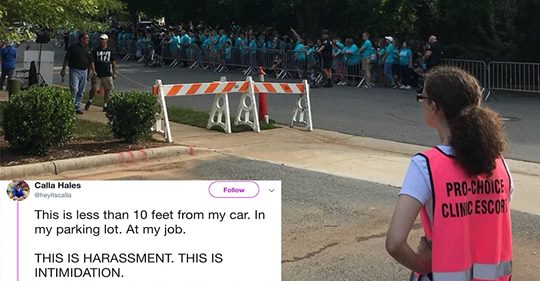
My typical Saturday commute to work feels a little like driving straight into a festival. There are tour buses, music blasting over loudspeakers, hundreds of people congregated in brightly colored shirts. Except this isn’t a festival or a fun town parade—I run four abortion clinics in North Carolina and Georgia, and this is the anti-abortion protest we face every week.

For the past 40 weeks straight, the clinic where I work in Charlotte, North Carolina, has been facing hundreds of pro-life protesters that make getting to the clinic a traumatic experience. They call it the 40 Weeks of Life campaign—I call it the 40-Week Siege.

I guess sidewalks don’t matter anymore?

View image on Twitter

Holy shit.

View image on Twitter

This is bullshit. There’s a drone flying overhead, and no ones stopping it.

This is a circus.

Embedded video

Every Saturday I drive out and count the protesters congregated in the street outside the clinic—394, 560, 2,000—past posters of babies and aborted fetuses. The protesters will call me by name and tell me I need to repent. They’ll yell about the blood of babies on my hands as I park my car and walk into work. They’ll tell me I can’t be a mother as long as I work here. They’ll say if I leave my life of sin, maybe God will still save me.

All of it is an effort to guilt me into feeling shame over something that I should never feel shame about. Abortion care isn’t about religion or faith—it’s about a woman’s right to choose what medical care she receives for her body.

As patients drive down the street to the clinic, it’s common to see men and women trying to wave down cars and give out pamphlets of information meant to guilt women about their choice and convince them to turn back. One patient’s young daughter was so traumatized by the protesters that she ran off—it took almost an hour to find her. Some weeks pro-life protesters have even tried to deliberately misdirect patients from the clinic, chalking arrows on the street that lead patients away from the clinic and promising “free ultrasounds,” adding chaos to an already stressful situation. If a black patient is walking in, there are often comments about abortion being “black genocide” in a weird twisting of the Black Lives Matter movement. Unfortunately, that tactic is not uncommon at many anti-abortion protests, which can be incredibly upsetting to patients and staff.

Embedded video

This is less than 10 feet from my car. In my parking lot. At my job.

THIS IS HARASSMENT. THIS IS INTIMIDATION.

View image on Twitter

No one should have to go through this traumatic tunnel of protesters just to access health care they are legally entitled to. Can you imagine that happening at any other medical center?

Thankfully, we have a private parking lot. Once patients reach our property, they’re greeted by a group of volunteers who are willing and happy to be there supporting patients, asking if they need a welcome shoulder or support going into the clinic.

The thing I want people to know is patients seeking abortion care aren’t this strange population. They’re average, regular women. We have a whole range of patients including 15- to 16-year-old minors coming in with parental guidance or judicial bypasses, and 40-something women who have two kids and are just fine not having another. I’ve seen students, mothers, teachers, preachers—there’s a whole gamut of patients.

Capping off a rough week for personal freedoms with the week 20 “festivities” of the . The total today was 191- my guess is that the heat and the upcoming holiday caused the lower numbers.

Again, I catch myself feeling “relieved” at this lower number and am mad at myself: there is nothing okay about seeing this scene through the bushes at your private medical appointment.

View image on Twitter

It bothers me that there’s no chance to have a real dialogue with the people who protest outside our clinic every week. If someone has it in their head that what you are doing is fundamentally wrong, they’re not going to want to listen to you say something different. I often ask why, if they are so concerned about ending abortions, they don’t dedicate their time and energy to better access to contraception and sex education. Often, they say it’s against their belief systems.

I watched a lot of cars get stopped today: by protesters, or by marchers crossing the street.

View image on TwitterView image on TwitterView image on Twitter

Another photo from today- a protester wearing a “Christian” badge, which looks a hell of a lot like a police badge.

View image on Twitter

No patient should ever have to deal with this. No employee should ever have to deal with this.

There is nothing “Christian” or “counseling”-oriented about this.

View image on Twitter

I am a huge supporter of the ability to have free speech. I’ve been to my fair share of protests in my life (and am an organizer with the Women’s March in Charlotte), but there’s a sincere difference between protests and harassment. The latter terrorizes not just our staff but the patients coming to us for care. Harassment is not help.

A part of me wants to say that the protests plaguing the women coming to our clinic for care don’t bother me at all—I don’t want to give those that have put our work under siege for the past 40 straight weeks the satisfaction. But that would be disingenuous and simply not the truth. It’s incredibly upsetting to have to deal with this on a daily basis, especially on the weekends when it reaches a radical level. At this point, my fiancé asks me to wear a ballistic vest when I’m going to be around a lot of protesters.

This isn’t just happening to patients here at my own clinic—it’s happening to patients across the nation. This issue has been happening under the radar for a long time and it’s just going to continue to get worse. Protestors are getting increasingly emboldened, feeling like they’re on the right side of the debate as policies continue to restrict access to abortion care and contraceptives. By the end of the 40-Week Siege, protesters were literally coming in by the busload.

The crazy thing is, many abortion activists like myself are told we’re being hysterical—that Roe v. Wade will never be overturned. But that’s already becoming a reality in places like Alabama, West Virginia, and Ohio, where abortion access is slowly but surely being banned. It’s a scary time to have a uterus.

40 weeks are completed, but what next? They intend to be back next year, “bigger and better.”

So here’s the question: what are YOU going to do next to help protect abortion access?

That being said: here’s an awesome photo of some of our volunteers from today.

View image on Twitter

No matter how many protesters come or how many of my weekends they ruin, we’re still fighting every day. We’re still organizing. We’re still growing and trying to think of new things every time something like this happens. Every time we fail, it’s back to the drawing board. We’re not just giving up.

Source: https://www.glamour.com/story/this-is-what-women-have-to-go-through-to-get-an-abortion-in-north-carolina?utm_medium=social&utm_source=facebook&utm_social-type=owned&utm_brand=glm&mbid=social_facebook_fanpage&fbclid=IwAR20t9kWRaA1K0y8Ou7NuZ7RmlP7gXxh4U0FuFUmAkt8YGWK0hPmkJKVw4k