Ireland voted in a landslide to support abortion rights. But making abortion care available will take much more.
To Isolde Carmody, Ireland’s overwhelming vote to repeal the Eighth Amendment to the Constitution was a vote to continue down the road that her great-grand-uncle, Joseph Plunkett, and his contemporaries fought for in 1916, in the first steps toward an independent Irish Republic.

“Joe was definitely a feminist, a revolutionary. He deeply believed in equality and in social justice, and that was why he was involved in the revolution in 1916,” Carmody told Rewire.News. Her great-grandmother and grandmother fought for women’s health care and access to information on abortion rights. She continued that tradition campaigning for “yes” in Leitrim.

Irish voters turned out on Friday to repeal the Eighth Amendment, with around 68 percent voting to decriminalize abortion care, according to exit polling. Final results were not available at the time of publication.

Carmody was infuriated to see Plunkett’s image and the reference to the 1916 proclamation on an anti-choice sign urging a “No” vote in the referendum on Ireland’s total abortion ban. “It is just a complete misrepresentation of what they were all about and the values on which this state was founded,” she said. “We released a statement saying that if Joe were still around, he would definitely be voting to repeal the Eighth Amendment. He would have voted against it being introduced in the first place.”

There was plenty of noise for a “yes” vote, even in the conservative part of Ireland where she lived. And the results proved that it was Carmody’s view of Ireland’s past and future that held.

A busload of canvassers from Dublin went to Roscommon and Leitrim the day before the vote to do some last-minute visibility for the “yes” campaign. In Carrick-on-Shannon, they stretched out along the Cumann na mBan bridge, named for the revolutionary women’s organization that fought in 1916 in all garrisons but one—the one led by Eamon de Valera, a former president of Ireland, who oversaw the writing of Ireland’s Constitution. The symbolism was important to the organizers, who like Carmody believed in the unfulfilled promise of that rebellion, in a different kind of Ireland that saw women’s role in the struggle for justice and equality as essential and equal.

“I am really glad I finished my last day of canvassing outside of Dublin, meeting new people. Sometimes you are in a bit of a bubble and you forget that there is a whole country of people involved in this, local campaigns big and small,” said Sen. Lynn Ruane, an independent member of the upper house of the Irish parliament.

Ruane was a member of the parliament’s committee on the Eighth Amendment, which recommended repeal as well as legalizing abortion up to 12 weeks into pregnancy. “I was always optimistic, but I am feeling so much more positive. To be able to go from sitting inside a committee room to making the recommendations to coming out and meeting people all over Ireland that want to support the recommendations, it really is a privilege and an honor.”

Even before the results were announced, she said, “I think Ireland has changed.”

Ireland’s Future After the Eighth Amendment 

What happens now? Nothing will change immediately, according to Wendy Lyon, a lawyer and pro-choice organizer based in Ireland and born in the United States, because the anti-choice law is still on the books. “We are guaranteed that there will be some attempt to challenge it,” she said. “They have done this with pretty much any referendum that has advanced a liberal agenda. They have failed every time, but they will try it again.”

Government officials have said they want to change legislation by the end of the year.

“We obviously have a huge body of work to do in relation to the legislation. You will have people taking lots of amendments and trying to hold up the legislation,” Ruane said. “I think we will get it through the houses eventually, but we definitely will have a fight and there will be probably lots of filibustering and we probably will need to just stay strong and get through together. Whoever is in agreement needs to work together and put politics aside just to get that legislation through.”

To Dublin City Councillor Éilis Ryan, the question is how abortion care is best provided once legalized. “It is not enough for it to be legal. It also has to be accessible, and really the only way you can do that is through a public health service. That is going to be the next battle for socialist campaigners, pro-choice campaigners, is ‘How can we ensure that this isn’t yet another service that is outsourced to a private company that doesn’t have women’s best interests at heart?’”

The question of abortion care, in other words, is intrinsically tied to questions about the broader health-care system. The Catholic Church remains deeply involved in the hospitals, and, Lyon said, even apart from the Eighth Amendment, the model of birth care is controlling. “You hear people say, ‘Doctors are the new priests.’ It is not that you won’t still have doctors trying to pressure women, but the difference is that they won’t have the Constitution to back up their arguments anymore. People would threaten to go into the High Court and they would cite the Eighth Amendment as their justification. If the Eighth Amendment is gone, obviously, it makes it that much harder.”

There question remains of what kind of country Ireland will be. On that front, too, the campaigners look to the history of Irish struggles for independence. “We have to have states that serve everybody no matter what their religion is,” Meehan said. “It was buried in history and forgotten, but when the young Irelanders started off in the 1840s, inspired by the 1848 rebellions, one of their main opponents was the Catholic Church. They came up with a very good slogan, actually. Two of them. One of them was ‘Priests Out of Politics.’ The other was, ‘You can take your religion from Rome, but take your politics from home.’ That has been forgotten, lost in the dustbin of history and all that, but it has a very contemporary 21stcentury relevance.”

Lynn Boylan, a Member of the European Parliament from Sinn Féin, agreed. “Today’s result is seismic,” Boylan said. It is an historic breaking of the old Ireland with it’s attachment to the church and conservative politics in favor of a new future”
“While of course the Marriage Equality referendum was hugely significant and was a sign of a new era, it was a vote about tolerance and respect. The Repeal campaign was so much more than that, it was not just a vote for women and their rights over their own bodies. It was, I believe also a cathartic experience for the people of Ireland. It brought out into the open the decades of mistreatment of women, the hidden family secrets, the reality of pregnancy and showed people that their experience was not a unique one.”
“When the euphoria of the vote has died down,” Boylan continued. “I really believe that this campaign will serve as a healing process for the Irish people, particularly the older generations who will have finally broke the control of the church over their private lives.”

The Repeal Campaign

The vote to legalize abortion care was the hard work of organizers like Izzy Kamikaze (the name she’s gone by for years), a veteran of abortion rights referenda and Ireland’s marriage equality referendum. It was important to her for Roscommon and Leitrim—the only places to vote against marriage equality, though the district boundaries have since changed—to improve its showing, to prove that even in supposedly conservative parts of Ireland, women had talked to each other about their experiences, people had made contact, if quietly.

“Down here we are a little grassroots campaign. Very underfunded, under resourced,” she said. “Never enough people to do what we are trying to do, but … we have been very well received by people.”

Kamikaze noted the importance of putting a human face on the “yes” campaign. “A big thing for me is the fetishization of the images of fetuses. There are no women in these posters. There is nobody whose body this is growing inside. She is completely cut out of the picture,” she said. So she gathered “yes” campaigners to stand near a massive billboard erected by the Iona Institute, a Catholic organization that has opposed changes to Ireland’s abortion laws. “It is this huge, huge billboard with this CGI fetus floating in empty space, removed from the womb, the mother, the world. The caption on it is ‘One of us.’ A bunch of us got together with our own posters and placards and we did a little photo shoot in front of that billboard and the caption for it was, ‘What is missing from this poster? One of us,’ meaning the women who were standing underneath holding the posters who have been very invisible, certainly in the ‘no’ campaign.”

Activists in rural Ireland counted social media visibility as important, staging photoshoots in town to spread on Twitter and Facebook. They wanted to show that even in the heart of conservative towns there was, in fact, support for “yes.” The final referendum results showed that to be true.

It was the involvements of all parts of Irish society—not in a partisan fight, since the vote often split parties, but in a social movement that dared do what few pro-choice organizers even in the United States do: talk honestly about abortion care, about pregnancy, about what it means to have a medical crisis or to not have had any choice about the life you were to have. Family members told their stories for the first times to one another—one canvasser had met a mother and daughter who had both had abortions and only told their stories to one another because of the campaign to repeal the Eighth Amendment. It was striking to walk around Dublin and pass hundreds of people in “yes” buttons, stickers, or the hotly-coveted Repeal jumpers. A country dominated for so long by the Catholic Church and its view of morality was having a public conversation about what has been the most private of issues.

And in a repeat of the country’s 2015’s marriage equality referendum, thousands of young people driven abroad in part by economic austerity came #HomeToVote for a future Ireland that might once again be theirs.

Campaigns like Choice Ireland formed in 2007, started years before the referendum was called. Organizer Wendy Lyon said of that time, “I distinctly remember saying that it would be about 20 years to get to the point that we are at now, which is just over ten years.”

But the campaign built slowly and steadily over that time, she said. “There is no real point at which I think we can really say, ‘OK, the campaign actually started.’ Certainly when the Citizens Assembly issued its decision, that was sort of the first hint that, yes, we were going to have a referendum, but we were all a little bit afraid that then it was going to go to the Oireachtas Committee and the Oireachtas Committee was going to scale it back to an ‘exceptional cases’ kind of thing. I suppose it was such a gradual build up that by the time they finally said, ‘Yes, there will be a referendum’ we all knew there was going to be a referendum.”

There was the trade union campaign to repeal the country’s anti-choice amendment, which began years ago with activists in Ireland’s labor movement pushing the trade unions to take a position on the Eighth. John Meehan, a longtime pro-choice and trade union activist, points to unions like Mandate, which represents mainly women who work in shops, for their leadership on the issue, and to the combined union support for a survey called “Abortion Is a Workplace Issue.” The survey dug into the ways Ireland’s laws, which relegate most people who need abortion care to traveling to England or elsewhere, have affected women in the workplace—from taking time off and needing doctor’s notes that are impossible to get for an abortion to the question of low wages that make abortion services inaccessible. “When groups of people just sat down and just talked about the issue, it was much more of a trade union issue than they conceived of in their little box,” Meehan said.

The U.S. anti-choice movement spent heavily on the Irish referendum. “These days the Irish church isn’t so strong and there is no question the money in this campaign is coming from the [United States],” said Kamikaze. “It is coming from American evangelicals and the general ragtag and bobtail alliance that backed Trump and that backed Brexit in the UK and that are trying to turn back the tide everywhere. Abortion rights is a big issue for them.”

Sarah Jones at the New Republic pointed out the global networks that promote anti-choice (and anti-LGTBQ) legislation and their role in sending campaigners to Ireland. BuzzFeed reported on the apps created for two anti-choice campaigns, LoveBoth and Save the Eighth, and the Washington, D.C. company that created them. The data given to these apps, it turns out, could be shared with the firm’s other clients, which include the Trump campaign, the National Rifle Association, and other anti-choice organizations in the United States.

“These things are done kind of in a clever way,” said Ryan. “A lot of the organizations might have been funded by American money until the start of the referendum campaign. After that point, it is no longer legal to accept it, but they have had the benefit of using that to develop their messaging and their branding over a long period of time. Then, certainly there were online ads that were being funded from the United States and being directed to Ireland. That was something that was definitely against regulations.”

The New York Times reported on the Irish referendum as a “test” for social media corporations’ ability to block ads that don’t meet local regulations.

The long slog of Irish pro-choice activists dating to before 1983, when the Eighth Amendment was made law—through bomb threats, excommunication threats, through horror stories like the X case and the death of Savita Halappanavar—got Ireland to this point.

“The remarkable thing about this campaign—and it has been so intense for so many women—but 170,000 Irish women have travelled in the last 35 years and have had abortions,” Kamikaze said. “One of the things in this campaign is that women have talked about that, women that have kept that silent for years have talked to their friends and family about that and about why the law needs to change. This whole silent underground campaign that is going on with women who are talking about their personal experiences under the law. And not just of abortion, because the Eighth Amendment also affects the care of women in every pregnancy.”

It was that quiet conversation that spoke so loudly on Friday. Even the longtime campaigners were shocked, and broke down in tears.

Source: https://rewire.news/article/2018/05/26/ireland-votes-legalize-abortion-comes-next/

Voters in deeply Roman Catholic Ireland support by a 2-to-1 margin repeal of a 1983 constitutional ban on abortions, the official vote tally shows.

Official results of Friday’s referendum showed that of about 2.1 million votes cast, 1.4 million were in favor of repealing the Eighth Amendment to Ireland’s Constitution that says a mother and unborn child have an “equal right to life.” About 723,000 voters wanted to retain the ban.

Irish Prime Minister Leo Varadkar, a medical doctor who campaigned for ending the decades-old ban, hailed the result as a “quiet revolution.”

“The people have spoken,” Varadkar said. “The people have said that we want a modern Constitution for a modern country, that we trust women and we respect them to make the right decision and the right choices about their health care.”

“A quiet revolution has taken place,” he tweeted, “A great act of democracy.”

View image on Twitter
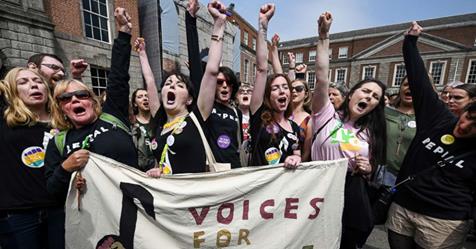
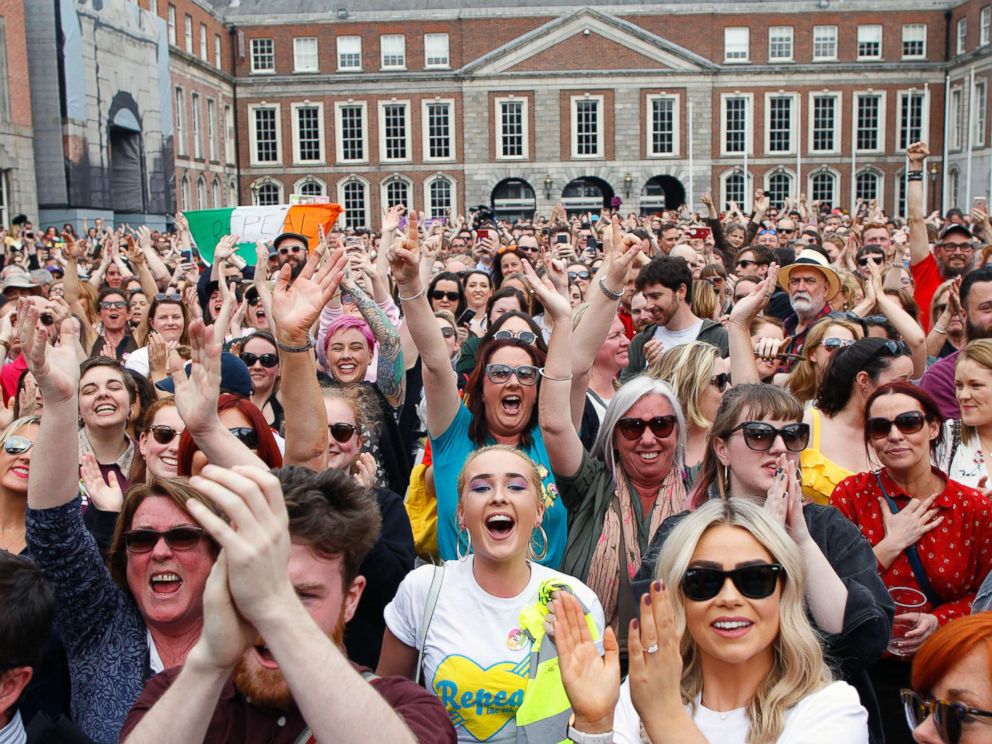
PHOTO: People from the Yes campaign react as the results of the votes begin to come in, after the Irish referendum on the 8th Amendment of the Irish Constitution at Dublin Castle, in Dublin, Ireland, May 26, 2018.Peter Morrison/AP
People from the “Yes” campaign react as the results of the votes begin to come in, after the Irish referendum on the 8th Amendment of the Irish Constitution at Dublin Castle, in Dublin, Ireland, May 26, 2018.more +
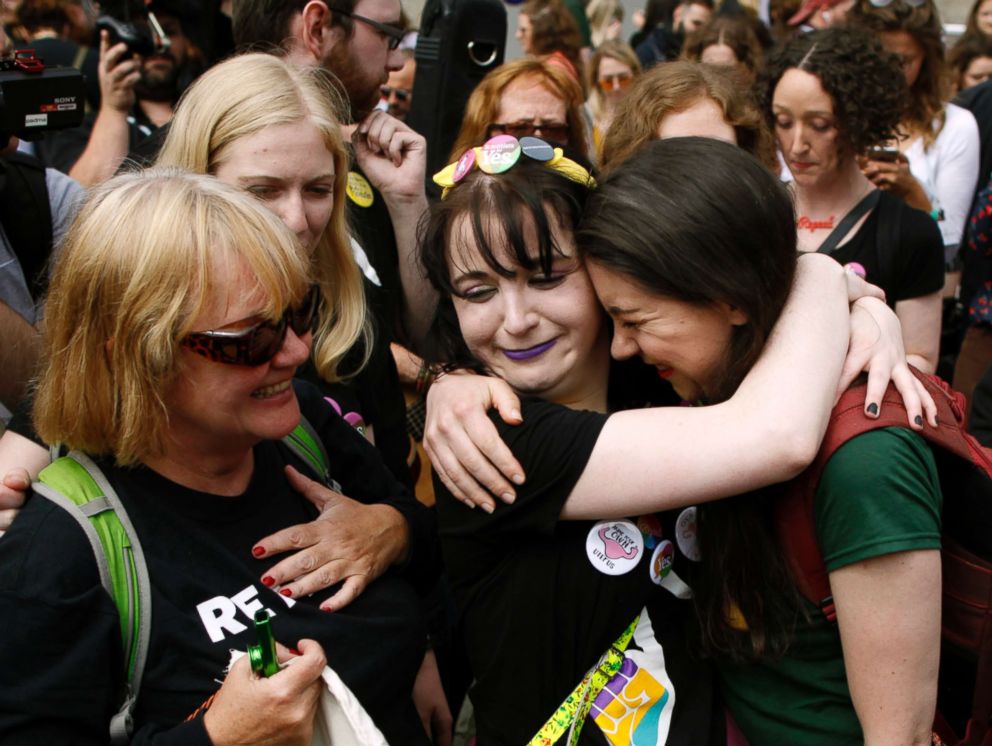
PHOTO: A woman breaks down in tears as the results in the Irish referendum on the 8th amendment concerning the countrys abortion laws takes place at Dublin Castle on May 26, 2018 in Dublin, Ireland.
Charles McQuillan/Getty Images
A woman breaks down in tears as the results in the Irish referendum on the 8th amendment concerning the country’s abortion laws takes place at Dublin Castle on May 26, 2018 in Dublin, Ireland.more +

One person involved in the campaign to overturn the ban called the results “momentous.”

“The polls suggest all generations voted with us,” Catherine Conlon, a Trinity College professor told ABC News, after exit polls showed overwhelming support for repeal of the amendment. “I’m so heartened to know so many of my fellow citizens reflected on this debate and came to trust women … Thank you to every single ‘yes’ voter that walked into a polling station yesterday. You have changed Ireland for my daughters and son.”

Seeking or providing an abortion in Ireland is currently a criminal offense that carries up to 14 years behind bars. As a result, thousands of Irish women make the trip abroad, often to England, to have an abortion.

More than 170,000 women traveled from Ireland to access abortion services another country between 1980 and 2016, according to the Irish Family Planning Association.

PHOTO: People from the Yes campaign react as the results of the votes begin to come in the Irish referendum on the 8th Amendment of the Irish Constitution at Dublin Castle, in Dublin, Ireland, May 26, 2018.Peter Morrison/AP
People from the “Yes” campaign react as the results of the votes begin to come in the Irish referendum on the 8th Amendment of the Irish Constitution at Dublin Castle, in Dublin, Ireland, May 26, 2018.more +
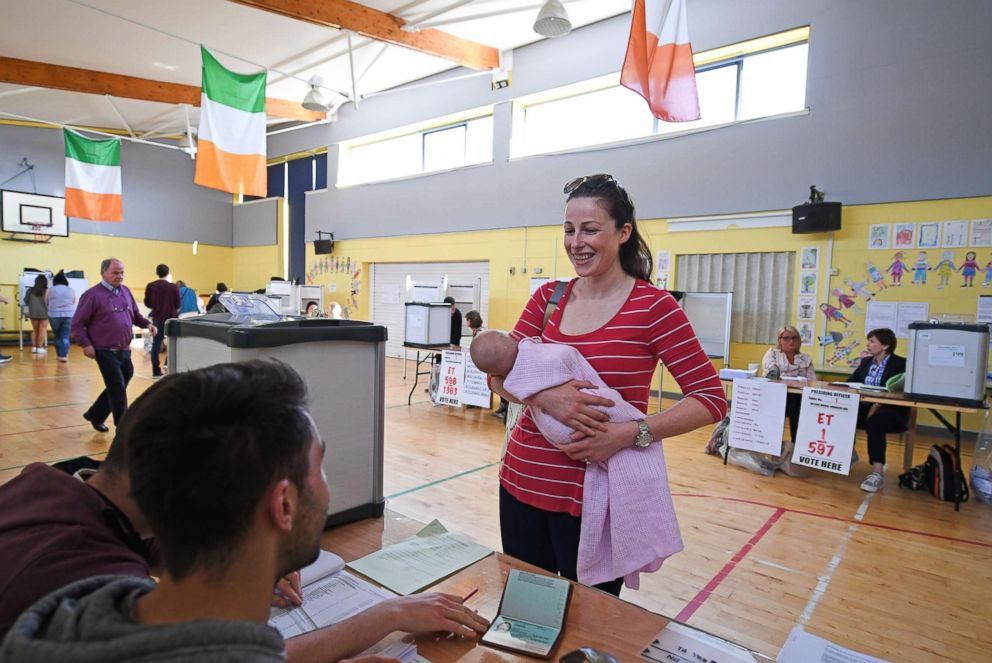
PHOTO: A polling station collects peoples votes on Irelands abortion referendum at Scoil Thomas Lodge, May 25, 2018 in Dublin, Ireland.
Jeff J. Mitchell/Getty Images
A polling station collects people’s votes on Ireland’s abortion referendum at Scoil Thomas Lodge, May 25, 2018 in Dublin, Ireland.more +

Repealing the amendment means that abortion could be regulated as it is in both the United States and the United Kingdom, clearing the way for Ireland’s government to implement more liberal abortion laws. Lawmakers are now expected to debate proposed legislation allowing abortions within the first 12 weeks of pregnancy, and after that in cases of fetal abnormalities or serious risks to the mother’s health.

The vote pitted conservative backers of strict abortion laws against those supporting a woman’s right to choose. After the vote Friday and exit polls showing overwhelming support for overturning the abortion ban, anti-abortion advocates showed their concern on social media.

Although the Yes campaign was supported by the country’s prime minister, neither of the major political parties took a side in the debate, allowing individual politicians to make up their own minds. The No campaign was largely backed by so-called pro-life groups — the most prominent being The Iona Institute, a socially conservative Roman Catholic advocacy group.

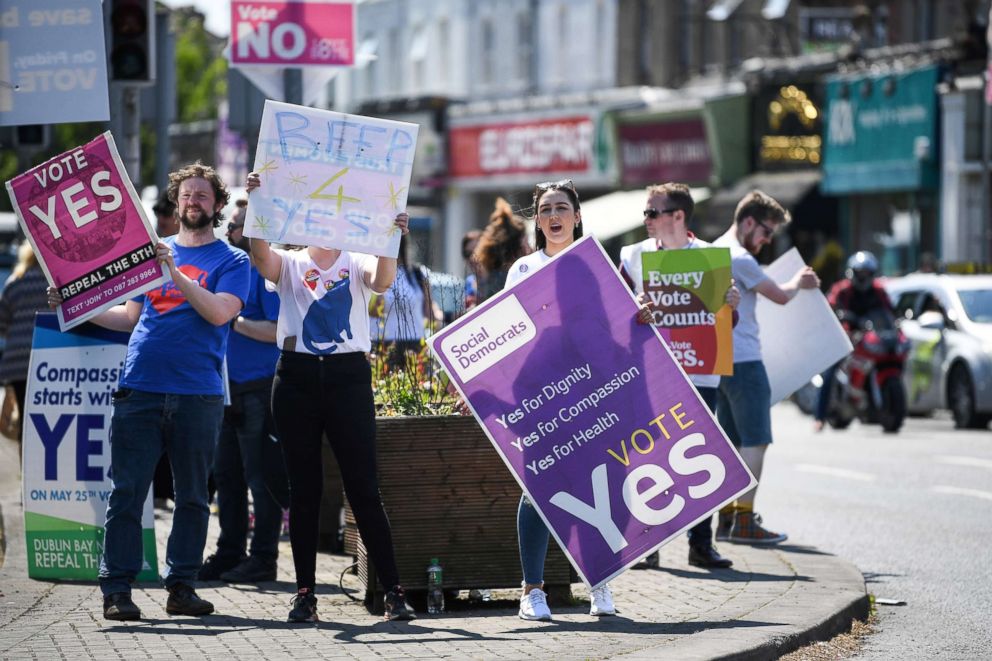
PHOTO: People hold yes placards as the country heads to polling stations, May 25, 2018 in Dublin, Ireland. Voters will decide whether or not to abolish the 8th amendment which makes abortions illegal, except when the mothers life is at risk.
Jeff J Mitchell/Getty Images
People hold ‘yes’ placards as the country heads to polling stations, May 25, 2018 in Dublin, Ireland. Voters will decide whether or not to abolish the 8th amendment which makes abortions illegal, except when the mother’s life is at risk.more +
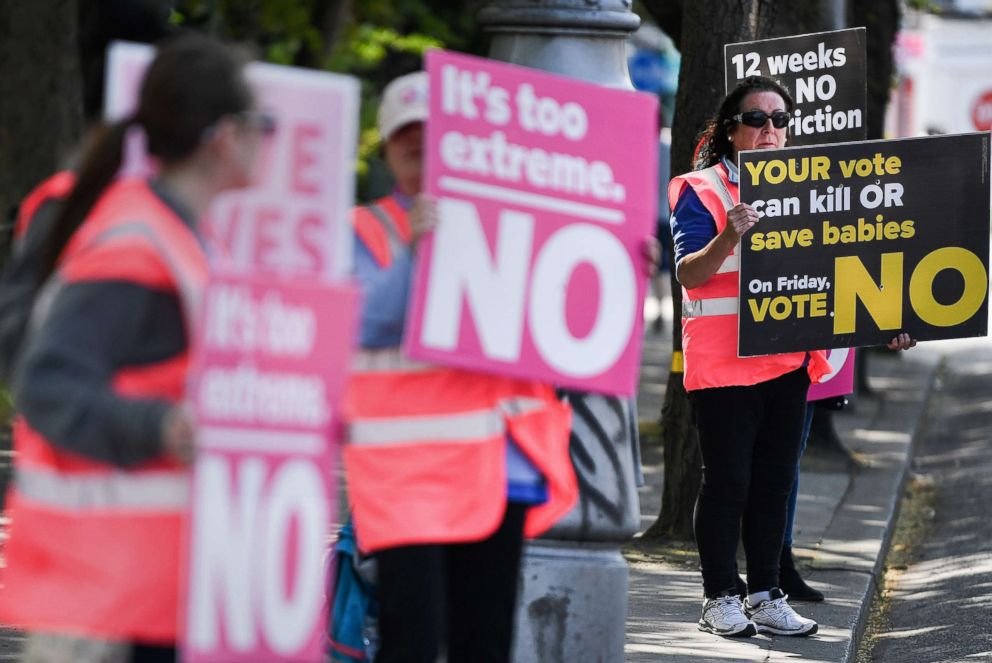
PHOTO: Members of the public hold no placards as the country heads to the polls, May 25, 2018 in Dublin, Ireland.
Jeff J Mitchell/Getty Images
Members of the public hold ‘no’ placards as the country heads to the polls, May 25, 2018 in Dublin, Ireland.

As the date of Friday’s referendum approached, the debate between the two sides had grown deeply contentious, with both being accused of illegally removing each other’s street posters. The hot-button issue also motivated a number of Irish ex-patriots to fly home from around the globe to cast their ballots, with many posting their positions on social media beside the hashtag #HomeToVote.

The heated, emotional campaign saw limits placed on social media advertisements nationwide, with Facebook and Google banning campaign ads after concerns from experts that some campaign ads were funded by U.S. based anti-abortion groups.

Following a 2015 vote, Ireland legalized same-sex marriage.

Source: https://abcnews.go.com/International/ireland-overwhelmingly-votes-repeal-abortion-ban-exit-polls/story?id=55436221

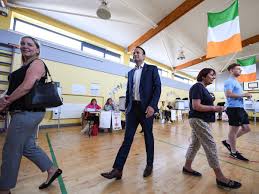
Leo Varadkar, Ireland’s prime minister, or taoiseach, leaves a Dublin polling station after casting his vote in Friday’s referendum. Varadkar has campaigned aggressively for repealing Ireland’s abortion ban.

Two exit polls in Ireland’s referendum on abortion rights indicate that a majority of voters want to do away with a constitutional amendment that recognizes the “right to life of the unborn.”

Irish broadcaster RTE’s exit poll of Friday’s vote indicates that about 69 percent of voters were for repealing the 1983 amendment, and an exit poll from The Irish Timesindicated a similar response, projecting that 68 percent of the vote was in favor of repeal.

Polling heading into the vote had indicated that the results would be far more closely contested than the 2-to-1 split suggested by the exit polls. Official results are expected Saturday afternoon local time.

The referendum comes after weeks of anticipation, acrimony and more than a little heated discussion around a simple yet deeply divisive question: Should the country repeal a constitutional amendment that bans abortion in nearly all circumstances?

A “yes” vote, if the exit polls hold up, would ease the way for Irish lawmakers to pass legislation allowing abortions in the first 12 weeks of pregnancy. Abortion currently is outlawed in all cases except those that could endanger the mother’s life, some of the strictest abortion laws in the Western world.

More than 3.2 million people registered to weigh in on the historic referendum. Thousands of Irish expatriates returned home to make their own voices heard — so many, in fact, that the wave of flights home spawned a popular hashtag on Twitter: #hometovote. Social media feeds filled with images of boarding passes, personal testimonials and stories of flights packed with Irish voters.

One such voter, Michelle McHugh, tweeted the travails she faced to lend her own voice in favor of repeal: “No flights left from London, so I have a 4 hour train, 4 hour wait and 3 hour ferry to make it home to vote — which is a walk in the park in comparison to the journey that Irish women are making every day to the UK” — where, unlike in Ireland, abortion is legal before 24 weeks and under certain other conditions.

Ireland’s prime minister, Leo Varadkar, has said nearly 200,000 women have traveled to Britain to terminate pregnancies in the 35 years since the amendment was passed. He has actively campaigned in recent weeks to have the ban abolished.

“It’s not a vote on me, not a vote on the government,” Varadkar said this week in Dublin, according to the Financial Times. “It’s a vote as to whether we trust the women of Ireland to make decisions about their own lives for themselves.”

Nevertheless, given the extent to which he has thrown his weight behind “yes,” many observers regard this vote as a referendum partly on the popularity of his still-young tenure as prime minister. It’s also a test of the apparent leftward shift of the electorate recently — also represented by Varadkar himself, the first openly gay prime minister in a once-deeply conservative country that had banned homosexuality until just a quarter-century ago.

As NPR’s Alice Fordham noted Thursday, Ireland in recent years has eased access to contraceptives and has legalized divorce, homosexuality and same-sex marriage — becoming the first country in the world, in fact, to legalize gay marriage by popular vote.

Still, the country remains predominantly Roman Catholic, and the church has come out strongly against the measure.

“Life is God’s gift and the right to life comes from God and not from any law or constitution. Because it terminates human life which begins at conception, abortion can never be condoned in any circumstances,” priests in the Diocese of Achonry wrote in an open letter published by the Irish Catholic Bishops’ Conference last week.

“The Eighth Amendment to our Constitution gives protection to the most vulnerable and voiceless members of our society,” the letter added. “The forthcoming referendum calls us to be their voice and defend their right to life.”

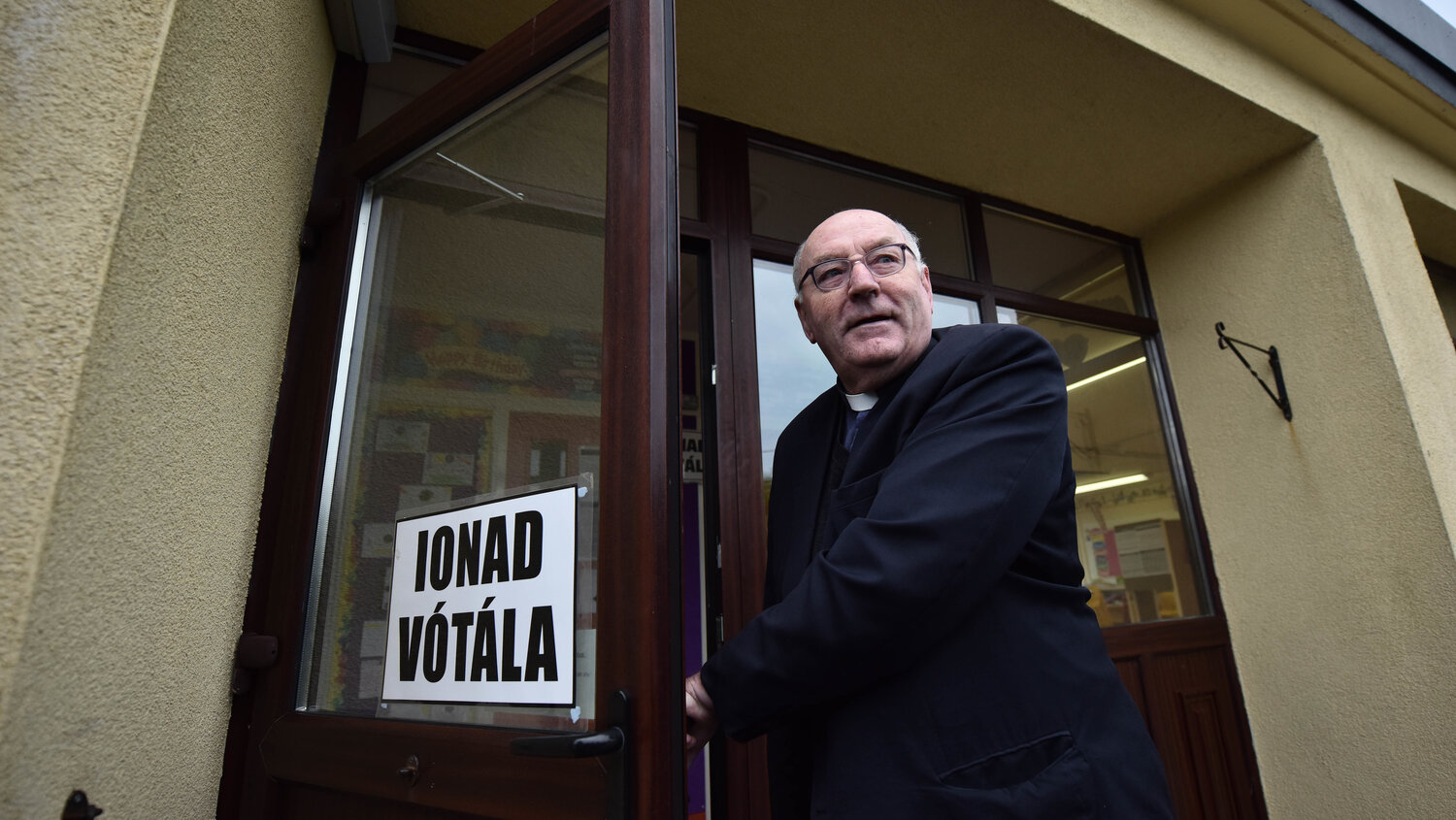
Ted Harrington, a Catholic priest, casts his vote at a polling station Friday in Knock, Ireland. The Catholic Church has come out strongly against the effort to repeal the country’s eighth amendment, which bans nearly all abortion.

Charles McQuillan/Getty Images

It is a sentiment echoed by one medical doctor, who told Alice that while he is “very proud to be part of this new Ireland” and that “we’ve all known women who felt that they’ve no other options,” he supports “no,” because “human rights extend to everybody, not just the strong.”

Saturday’s official results are likely to be the final word on the issue for the foreseeable future. Varadkar told The Irish Times that the government would not hold another referendum if the repeal effort were defeated.

“This is a once-in-a-generation decision,” he said.

RTE says it conducted its poll with a sample size of 3,800, and that the survey had a margin of error of +/- 1.6 percentage points. The Irish Times conducted its poll of 4,500 voters with Ipsos/MRBI — a branch of the company NPR partners with for its polls. That survey had a margin of error of +/- 1.5 points, the newspaper said.

Source: https://www.npr.org/sections/thetwo-way/2018/05/25/614327524/irish-voters-cast-ballots-in-once-in-a-generation-vote-on-abortion-rights

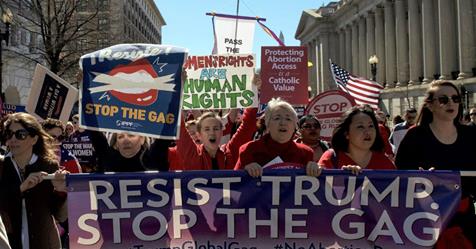
The domestic and global gag rules stigmatize a simple medical procedure by disconnecting it from other health care services and by forcing doctors not to offer women the whole array or reproductive options available to them.

Upon taking office in 2017, Trump immediately reinstated and expanded the global gag rule, forbidding organizations that receive U.S. global health funding from using their own private funds to provide information about abortion, referrals for abortion services, or to advocate for access to abortion services.
 Lauryn Gutierrez

The Trump Administration’s domestic gag policy is another anti-choice attack on the rights of women. “Domestic gag rule” is no misnomer; like its global predecessor, this new policy will force U.S. groups to make the same basic choice—between critical funding and providing essential care to women.

While we won’t have details of the policy until it is released, administration officials have suggested that it will force recipients of federal family planning funding to physically separate their abortion services from the services funded by Title X. That means 4 million people will be affected, many of whom are low-income women of color who utilize the Title X program to obtain family planning-related services. It is also expected that the rule will do away with a requirement that providers offer all options during pregnancy counseling and will ban referrals for abortions.

Though horrific, this policy comes as no surprise. Upon taking office in 2017, Trump immediately reinstated and expanded the global gag rule, forbidding organizations that receive U.S. global health funding from using their own private funds to provide information about abortion, referrals for abortion services, or to advocate for access to abortion services.

Both policies force an unnatural split between contraception and abortion services, which perversely results in increased unintended pregnancies, more unsafe abortions, and higher rates of maternal and newborn deaths. Both policies punish women in already-challenging circumstances by putting life-saving services out of reach. Both policies will increase fear and stigma of abortion, and both policies will force women—in the global south and here in the United States—to take unnecessary risks to end unwanted pregnancies.

This administration’s expanded global gag rule, for example, affects $8.8 billion in foreign aid, but the policy has always undermined fundamental human rights, silenced advocates, and stifled partnerships. As outlined in Elite Daily, in Ethiopia under the George W. Bush iteration of the policy, “many organizations were afraid to join the debate and political process around efforts to change the abortion law in the country. Free speech was curbed and coalition building was nearly impossible …. In Kenya, [nongovernmental organizations (NGOs)] that were once vocal supporters of comprehensive reproductive health care for women abstained from debates on reforming the country’s restrictive abortion law. And even supportive officials in the Ministry of Health were effectively barred from collaborating with gagged NGOs to bring about law reform.”

Both policies add to existing restrictions. The Helms Amendment, passed in 1973, already prohibited the use of U.S. foreign assistance funds for the performance of abortion as a method of family planning. And the Hyde Amendment, first passed in 1976, functions as the U.S. domestic counterpart to the Helms Amendment and prohibits federal funds from covering abortion services.

While these policies purportedly aim to reduce abortion, in reality, they only serve to silence and “gag” anyone who has anything to do with it. The policies stigmatize a simple medical procedure by disconnecting it from other health care services and by forcing doctors not to offer women the whole array or reproductive options available to them, thus denying women accurate information to make their own health decisions. They are really about silencing, shaming, and stigmatizing women, especially low-income and marginalized women.

The new domestic gag is part of a broader assault by anti-choice advocates, who are now in a position of great power in the U.S. administration over the health, safety, and economic independence of women. Make no mistake, these are intimidation tactics designed to erode women’s human rights and agency.

The foundation of democracy is the individual and its driving force is power—who has it, who controls it, and how it is deployed. A fundamental aspect of our lives as individuals is our sexuality and our reproductive health. But, without the freedom to control and manage this aspect of our lives, we have little power over other aspects of our lives.

Sexual and reproductive rights, including the right to safe abortion, have been recognized by the global community as part of human rights in general. There are numerous international agreements and treaties that underpin this. Abortion is an indispensable part of sexual and reproductive health and rights, which are essential to women’s human rights, and which are, in turn, essential to a functioning democracy.

Globally, women’s human rights have been advancing—countries including Ethiopia, Nepal, Mozambique, and Chile have recognized the need to prevent women from dying due to unsafe abortion and have taken steps to liberalize their abortion laws. The Guttmacher-Lancet Commission on Sexual and Reproductive Health and Rights just published “Accelerate Progress,” a bold agenda to achieve universal access to sexual and reproductive health and rights, which recommends an essential package of related health interventions including safe abortion care. We also have the Sustainable Development Goals, 17 interconnected goals from the United Nations that form a universal call to action to end poverty and ensure peace and prosperity for all people. Goals focused on good health, equitable education, and gender equality include targets on sexual and reproductive health and reproductive rights.

We have technology that safely allows women to take abortion into their own hands.  Women can order abortion pills online, they can get text messages about how to use those pills, and what to do in case of a problem via apps on their phone.

But the Trump administration is pushing back against this tide of history, abroad and here in the United States. Forcing a woman—through legislation and policies—to continue an unintended and unwanted pregnancy is a violation of human rights. This domestic gag rule and the global gag rule are discriminatory, destructive, and downright wrong. We must continue to resist and persist.

Source: https://rewire.news/article/2018/05/22/trumps-domestic-gag-rule-will-silence-shame-stigmatize-women/

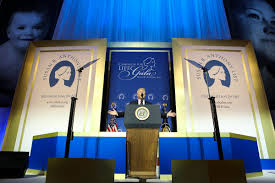
President Trump said the midterm elections are critical to anti-choice federal lawmakers hoping to ram through their agenda in the U.S. Congress.

President Trump in his Tuesday address to the anti-choice Susan B. Anthony List’s annual gala at the National Building Museum in Washington, D.C., lauded his administration for proposing a rule aimed at banning domestic family planning funding from going to health providers that provide separately-funded abortion care.

Though the administration released a statement, and officials last week gave some details about the proposed rule to the media, the Department of Health and Human Services (HHS) officially announced that it had proposed the policy hours before the president joined the anti-choice event on Tuesday. Trump at the gala characterized the move as a “new rule to prohibit Title X funding from going to any clinic that performs abortions,” and justified it by falsely claiming that federal funds were going to abortion care.

The proposed restriction, referred to by health and human rights advocates as the “domestic gag rule,” would require health service providers receiving Title X funding to physically separate their abortion services from their program-funded services, eliminate a requirement that providers give counseling and referrals for all pregnancy options to their patients, and bar clinics that receive the funding from making abortion referrals.

Doing so would be a step toward defunding Planned Parenthood, which serves roughly 40 percent of the 4 million mostly low-income people who utilize the Title X program to obtain family planning-related services such as contraceptive counseling, breast and cervical cancer screening, and sexually transmitted infections testing.

Dawn Laguens, executive vice president of Planned Parenthood Federation of America called the proposed rules “one of the largest-scale and most dangerous attacks we’ve seen on women’s rights and reproductive health care in this country,” in a Tuesday statement. “This policy is straight out of The Handmaid’s Tale,” she said.

Defunding Planned Parenthood was a key promise made by Trump on the 2016 campaign trail. It was included in a set of policies outlined in a September 2016 letter from the campaign to anti-choice advocates in an attempt at winning over abortion rights foes who had been skeptical of the then-presidential contender’s vacillating views on the issue.

During his remarks, Trump noted that the midterm elections are critical to anti-choice federal lawmakers hoping to ram through their agenda in the U.S. Congress. “If Democrats gain power, they will try to reverse these incredible gains,” said Trump. “And we all know what a Democratic majority would mean, especially for the people in this room, on the Supreme Court,” he later added.

Trump’s appearance at the event comes after the Susan B. Anthony List promoted room blocks at the Trump Hotel in Washington, D.C., and fundraised with a contest in which the prize was a stay in the hotel during the gala, as media watchdog group Media Matters for America first reported.

Susan B. Anthony List President Marjorie Dannenfelser was initially reluctant to get behind Trump in 2016. She had been one of ten activists who signed a letter encouraging voters to “support anyone but Donald Trump” in the race, arguing that he couldn’t be trusted to “defend both unborn children and the dignity of women.” But as Trump and Democratic candidate Hillary Clinton faced off, Dannenfelser began to sing another tune. She came to lead Trump’s “Pro-Life Coalition,” which, as Rewire.News reported, was meant to provide the Republican nominee with guidance on best strategies to restrict abortion rights.

Dannenfelser would come to be a close ally of the Trump administration. She was present and photographed by the president’s side as he signed legislation allowing states to block funding to Planned Parenthood in April 2017, and again during meetings at the White House, including a September 25 convening of conservative “grassroots leaders.”

Vice President Mike Pence spoke at another event for the Susan B. Anthony List in late February, telling the crowd that Dannenfelser was “one of the great pro-life leaders in the history of this movement” and suggesting the United States would see an end to legal abortion “in our time.”

White House Counselor Kellyanne Conway also has ties to the anti-choice group. In addition to penning letters with Dannenfelser opposing abortion rights, financial disclosure forms released in spring 2017 revealed that Conway had acted as a paid consultant to Susan B. Anthony List. She was awarded the group’s “2018 Distinguished Leader Award” during Tuesday night’s gala.

Source: https://rewire.news/article/2018/05/23/trump-praises-war-reproductive-rights-anti-choice-gala/

To give women proper autonomy over their bodies and recognition of themselves as equal to men, we have to stop a law which says they have no more right to live than a fertilised egg

Ireland has one of the most restrictive abortion laws in all of Europe. In 1983, the country amended its constitution to provide equal rights to the life of a woman and the unborn child, effectively banning abortion and prohibiting Irish politicians from legislating for change.

In the decades since the passage of the eighth amendment, there have been a series of high profile cases that highlight the harm that this law causes to girls and women. These range from denying women life-saving cancer treatments because they are pregnant, to preventing women who have received a diagnosis of fatal foetal anomaly from terminating unviable pregnancies, to the tragic death of Galway dentist Savita Halappanavar, for whom an abortion would have been a life-saving procedure.

On 25 May, the Irish public will have a once in a generation opportunity to change these laws. This is why, in my view, it’s essential that all Irish people vote yes in the upcoming referendum.

1) Under current laws, abortion is illegal is except to save a woman’s life. Doctors practise under the threat of 14 years’ imprisonment if they provide termination for their patients in all other circumstances. This means that they can end up waiting until it’s too late and sacrificing the lives of the mother and the child in order not to be held to account for accidentally killing a foetus while treating the woman.

2) Abortions are illegal in instances of pregnancy as a result of rape, fatal foetal anomaly, and when the woman’s health is at risk. Almost every other country in Europe allows for abortion under these circumstances. The United Nations has repeatedly called Irish abortion laws cruel, inhuman and degrading.

3) Abortion pills, which have become available online in recent years, are also illegal in Ireland. A woman or girl who orders pills online and takes them at home does so without medical support and under the threat of 14 years imprisonment.

4) Thousands of women are forced to travel abroad each year to access abortion. In 2016 alone, 3,265 women provided Irish addresses to clinics in England and Wales. This figure does not include those who did not provide an address or who travelled to other countries. Those who cannot afford to travel may take illegal abortion pills or be forced to continue their pregnancy, adding to cycles of poverty and rates of abandonment.

5) Repealing the eighth amendment will allow the government to legislate for and to regulate abortion in Ireland. It will allow women to decide what is best for them with the support of their doctor, and it will allow doctors to provide the care that women need.

To give women proper autonomy over their bodies and recognition of themselves as equal to men, we have to stop a law which says they have no more right to live than a fertilised egg. Once you consider the facts, it’s very plain that this is the only choice for Ireland.

Ailbhe Smyth is the co-director of Together For Yes and convenor of the Coalition to Repeal the Eighth Amendment

Source: https://www.independent.co.uk/voices/repeal-the-eighth-abortion-ireland-pregnancy-women-bodies-autonomy-a8357856.html

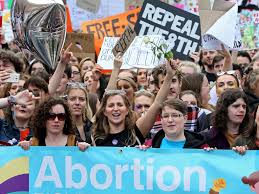
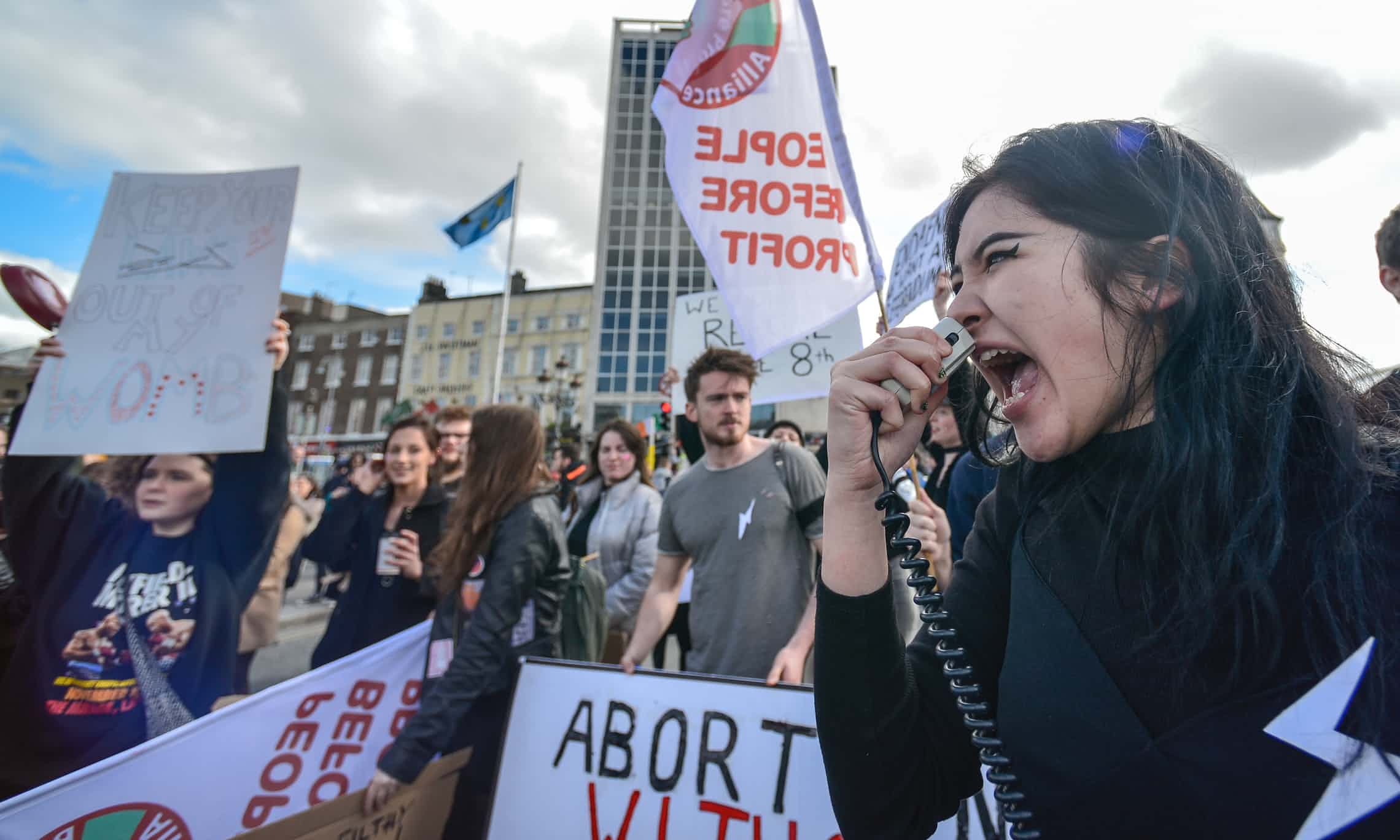
Protesters at a march in Dublin in favour of legalising abortion. Large urban centres have emerged as strongholds for reproductive rights. Photograph: NurPhoto/Getty Images
Alone woman scales a brick building, turning to look at a number 8 chained to her ankle, hampering her progress. The animation appeared this month, projected on to Dublin’s Treasury building, and images quickly spread on social media under the hashtag #TheWeightOfTheEighth. It was a striking symbol of a debate that has engulfed Ireland in recent months, playing out on the walls and streets of its cities.On 25 May, Ireland will vote on whether to repeal the eighth amendment to its constitution – a clause that protects the right to life of the unborn – and clear a path to legalising abortion in the country. The question challenges the Irish state’s conservative, patriarchal foundations, from which many people in Ireland – its urban dwellers in particular – feel increasingly disconnected.

Old tropes have been fleshed out during a heated referendum campaign: the city versus the countryside, the capital versus “the rest”. That divide concerns pro-repeal campaigners. “The polls keep telling us that the rest of Ireland outside Dublin is less likely to vote Yes,” says Ailbhe Smyth, leader of the pro-repeal Together For Yes coalition. “But there is still a very high proportion of don’t knows.”

The pro-repeal campaign’s message – “care, compassion and change” – was “designed to reach that middle ground” and unite the country, Smyth says.

An urban/rural divide has been evident for previous “moral issue” referendums in Ireland, says electoral geographer Adrian Kavanagh. When Ireland voted to legalise divorce in 1995 – by a margin of just 9,000 ballots – the number of those voting in favour was 14% lower in rural than in urban areas. For the 2015 vote to endorse same-sex marriage, the differential was 10%.

As conservative governments from Poland to the US have increasingly fostered a hostile climate for abortion services, the role of cities as safe havens for reproductive rights has been reinforced. The UN predicts that as much as 70% of the world’s population will be living in urban areas by 2050; as a result, the power and influence of mayors and other locally elected officials is expected to grow. Those offices could act as a counterpoint to anti-abortion forces at national or federal level.

In the US, cities have already demonstrated their legal power and social mandate to resist efforts by the Trump administration to target migrant rights and the Paris climate agreement. The National Institute for Reproductive Health aims to harness this power for change at a local level, encouraging cities to lead on access to abortion. Its Local Reproductive Freedom Index determines the best and worst performing US cities in terms of reproductive health services. The index was set up to show the impact of local policy-making, says Andrea Miller, president of the NIRH.

https://interactive.guim.co.uk/charts/embed/may/2018-05-14T11:03:08/embed.html

The NIRH index illustrates the inequality in abortion services across the US, with access largely clustered in coastal cities. But that picture is slowly changing. “What we’re seeing are blue [Democrat] dots in red [Republican] states,” says Miller. “Cities that are moving in a more progressive trajectory, even in some of the most restrictive and conservative states.”

She singles out St Louis, Missouri, and Columbus, Ohio. “They’re a great example of states that have passed law after law to try to eliminate access to care and yet we’re seeing the cities themselves stepping up.”

In 2016 Ohio politicians passed the “heartbeat bill”, which sought to ban abortion after six weeks of pregnancy (the state’s governor vetoed the bill, approving a 20-week ban instead). State lawmakers have also moved to defund family planning clinics. But Columbus has strengthened laws protecting access to clinics and punishing harassment of clinic employees.

“Having said that, there’s still room for improvement,” Miller says. She believes the key is for women to get involved in local politics as well as supporting existing bodies. “Change trickles up. It rarely comes from the top down.”

Anti-abortion protesters in Rome. Many gynaecologists in the country refuse to perform terminations.
 Anti-abortion protesters in Rome. Many gynaecologists in the country refuse to perform terminations.
Photograph: NurPhoto/Getty Images

Abortion in Italy has been legal since 1978, but recent government studies found that seven in 10 Italian gynaecologists refuse to carry out the operations on moral grounds. In regions such as Sicily and Lazio, which contains the capital Rome, that percentage is higher still. According to Laiga, an association of pro-choice gynaecologists, only seven doctors in Lazio will carry out an abortion past the first trimester – and all of those are based in Rome.

“In Italy women aren’t aware of the restrictions on abortions until they need one,” says Silvana Agatone, president of Laiga. “In the city of Trapani in Sicily there was one doctor who took care of all abortions in the area, 80 a month. He retired this year. What do we do now?”

It’s up to urban hospitals and individuals to educate and take action, she says, which is why Laiga prioritises lobbying regional and local government to enforce Italy’s abortion laws.

Efforts to undermine abortion rights in Poland have been more overt. The conservative Law and Justice party wants to ban abortions even in cases of foetal abnormality, grounds that account for 95% of terminations in the country and one of the few exceptions to strict laws already in place.

Pro-choice protest warsaw
 A pro-choice demonstration in Warsaw this year. Photograph: Maciej Luczniewski/AFP/Getty

“This is the most serious threat yet,” says Krystyna Kacpura, a director at the Federation for Women and Family Planning. Thousands took to the streets of Warsaw in March to protest against the plans, with the city serving as a hub for wider mobilisation aimed at educating the public.

“In March 2016, only around 14% of the Polish population described themselves as pro-choice,” Kacpura says. “But by September 2017 that had risen to 42%.”

If Ireland does vote Yes next week, it will still fall to cities to safeguard women’s access to safe abortion services. That these battles are still being fought around the world, often many decades after reproductive rights were won, is a reminder that such freedoms cannot be taken for granted.

Source: https://www.theguardian.com/cities/2018/may/16/urban-v-rural-can-cities-protect-reproductive-rights-ireland-eighth-amendment


There are some tips you can follow that may help in talking with your teen about relationships and pregnancy prevention. More tips can be found for parents here.

Start talking to your teen about changes to expect during puberty; your expectations for dating and contraception and condomuse; how to avoid teen pregnancySTDs, and HIV/AIDS; and how to have healthy relationships. Talk early and often, and be ready to listen to your teen and answer questions that might come up.1 For general tips on how to get the conversation startedand ideas of what to talk about, visit OAH’s Talking with Teens pages on these topics. Research shows that teens who talk with parents about these topics begin to have sex at later ages, use condoms and birth control more often if they do have sex, have better communication with romantic partners, have sex less often than other adolescents,2 and have a lower risk of teen pregnancy.3

Children often begin asking questions about where babies come from at a young age. These are great opportunities to lay the foundations for later talks about your expectations and values about sexual behavior and relationships. Take advantage of opportunities to have these important conversations. And if you think you waited too long, you didn’t. It’s never too late to begin this dialogue.

Be clear and specific about family values and rules about when it’s okay to start dating and your expectations around dating and sexual behavior.1 If you have strong beliefs and values around sex and marriage, communicate those plainly. For example, if you believe people should not have sex until they are married, say that. If you think teens in high school are too young to be involved in a serious relationship, say that, and why. Or, if you think the time to have a baby is after college, say that. Same goes for using condoms or other birth control methods. Whatever your beliefs, you need to say them out loud to your son or daughter. And explain why you believe what you do.1

Believe in your power to affect change. It might seem like your son or daughter is ignoring you, as if your adolescents don’t want to hear what you say, or that they don’t care what you think. Despite how they act, some of what you say will sink in. In survey after survey, children report that they want to talk to their parents about their sex-related questions, that it would be easier to delay sexual activity and avoid teen pregnancy if they were able to have more open, honest conversations about these topics with their parents, and that parents influence their decisions about sex more than friends do.4

Be there: monitor and supervise. Establish rules, curfews, and expectations for behavior through family conversations. Get to know your children’s friends and their families. Also, be sure to monitor what your children are reading, watching and listening to, and encourage your children to think about consequences from behaviors they may be exposed to in the media.

Discourage early dating. Dating during adolescence is common and can be part of healthy development.5 However, serious and exclusive dating relationships can lead adolescents to have sex earlier than they would have otherwise.3 Adolescents who have sex at an early age are more likely to engage in risky sexual behaviors and in other unsafe activities, such as substance abuse.3, 5

Ensure your child has regular visits with a medical provider. Sometimes a young person will feel more comfortable asking a doctor or other medical professional specific questions about sex and reproductive health. The American Academy of Pediatrics recommends that adolescents have private time with doctors. Learn more about the services provided under the Affordable Care Act.

Talk about their future.Young people who believe they have bright futures, options, and opportunities are much less likely to engage in risky sexual behavior. Encourage your children’s aspirations to high levels of achievement and to participate in school and community activities (such as clubs, sports or music, etc.). Support their activities and dreams to the extent you can.


Footnotes


1 National Health Information Center. (2013). Talk to your kids about sex. Retrieved May 4, 2016, from http://healthfinder.gov/prevention/ViewTopic.aspx?topicID=77&cnt=1&areaID=0.
2 Centers for Disease Control and Prevention. (2011). Parent and guardian resources. Retrieved May 4, 2016,from http://www.cdc.gov/TeenPregnancy/Parents.htm.
3 Kirby, D., & Lepore, G. (2007). Sexual risk and protective factors: Factors affecting teen sexual behavior, pregnancy, childbearing and sexually transmitted disease. Washington, DC: ETR Associates and The National Campaign to Prevent Teen and Unplanned Pregnancy. Retrieved May 4, 2016, from https://thenationalcampaign.org/sites/default/files/resource-primary-download/protective_factors_full.pdf – PDF exit disclaimer icon.
4 Albert, B. (2012). With one voice: America’s adults and teens sound off about teen pregnancy. Washington, DC: The National Campaign to Prevent Teen and Unplanned Pregnancy. Retrieved May 4, 2016, from http://thenationalcampaign.org/sites/default/files/resource-primary-download/wov_2012.pdf – PDF exit disclaimer icon.
5Collins, W. A., Welsh, D. P., & Furman, W. C. (2009). Adolescent romantic relationships. Annual Review of Psychology, 60, 631-652.
Source: https://www.hhs.gov/ash/oah/adolescent-development/reproductive-health-and-teen-pregnancy/teen-pregnancy-and-childbearing/tips-for-parents/index.html

And Republican lawmakers in Kansas would cancel their whole telemedicine law if they can’t keep a ban on abortion in it. Priorities!

Rewire.News tracks anti-choice and anti-LGBTQ legislation as it works its way through the states. Here’s an overview of bills we’re watching.

Louisiana lawmakers wrapped up their regular session this week by passing a slew of abortion restrictions, Ohio wants to establish an “abortion-free society,” and legislators in Minnesota became the latest to propose an unconstitutional six-week abortion ban.

Ohio

On Tuesday, the state House Education and Career Readiness Committee took up HB  619, the stated purpose of which is toachieve an “abortion-free society.” The bill would require the state Department of Health to develop and distribute educational and informational materials about pregnancy and abortion care through public service announcements, including print and broadcast media. The materials must “clearly and consistently state that abortion kills a living human being.” The bill would require the state Board of Education, in collaboration with the state Department of Health, to develop an instructional program regarding the “humanity of the unborn child.” The bill is nearly identical to Oklahoma’s “Humanity of the Unborn Child Act” (HB 2797), which became law in 2016.

GET THE FACTS, DIRECT TO YOUR INBOX.

Subscribe to our daily or weekly digest.

SUBSCRIBE

Louisiana

With its regular legislative session scheduled to end this week, lawmakers in Louisiana spent the last few days advancing several bills designed to further restrict abortion access in the state. Five separate anti-choice bills, three of which were introduced by state Sen. John Milkovich (D-Shreveport), achieved final approval this week.

Wednesday, the Louisiana house voted to unanimously approve SB 325, which would allow the state to suspend or revoke the license of any abortion clinic that falsifies or destroys patient records; or for completing any records or forms in advance of patient visits with patient-specific data or a physician’s signature. In the opposite chamber, the state senate agreed Thursday to final house markups to SB 534. If signed, the law would prohibit coerced abortion and define criminal abortion and feticide as “crimes of violence.”

The senate voted 24-1 on Wednesday to forward SB 181, a ban on abortion after 15 weeks of pregnancy, to the governor’s desk. Gov. John Bel Edwards, an anti-choice Democrat, is expected to sign the bill. If signed, the law would take effect only if a similar ban in Mississippi is upheld by the courts. Relatedly, the state legislature passed a concurrent resolution requesting the state’s attorney general file an amicus brief in federal court to support Mississippi in their litigation efforts to ban abortion after 15 weeks’ gestation.

And finally, the house agreed with the senate’s amendments to HB 891, a targeted regulation of abortion providers (TRAP) measure which seeks to further isolate facilities that provide abortions with unnecessary restrictions. If signed, the law would prohibit the Louisiana Department of Health from entering into a Medicaid provider agreement with any entity that is prohibited from receiving certain public funding for abortion-related reasons. The law would require each licensed abortion facility’s location to be physically and financially separate from any facility where publicly funded Medicaid services are provided.

Kansas

Last weekend, Gov. Jeff Colyer (R) signed the Kansas Telemedicine Act (HB 2028). The law defines telemedicine and telehealth and would require that insurers reimburse at the same rate whether a patient visited a doctor in person or received care remotely. Thanks to lobbying efforts by anti-choice group Kansans for Life, the law prohibits abortion care via telemedicine and instructs the entire law to be nullified in the event that a court strikes down the abortion ban clause.

Minnesota

The Minnesota State Legislature last week passed SF 2849, a bill requiring physicians to offer pregnant people the option to view an ultrasound prior to the performance of an abortion. Gov. Mark Dayton (D) vetoed the measure on Wednesday, stating it “interferes with the doctor-patient relationship, legislating the private conversations that occur about a legal medical procedure.”

In spite of this, Republicans in the state house introduced a bill on Thursday that would ban abortion as early as six weeks of pregnancy, before many know they are pregnantHF 4524 would prohibit the performance of an abortion from the time a fetus has a detectable heartbeat, except in the case of a medical emergency. The bill is similar to Iowa’s heartbeat abortion ban (SF 359), also known as a total abortion ban, which was signed into law this month and faces a legal challenge. Fetal heartbeat laws seek to ban abortion months before the point at which a fetus is viable. As Roe v. Wade legalized abortion to the point of viability, similar laws have been ruled unconstitutional in Arkansas and North Dakota.

Looking Ahead …

Lawmakers in South Carolina are quietly considering a discriminatory anti-LGBTQ adoption measure similar to one in Oklahoma and another awaiting signature in Kansas. The provision, which is hidden in a giant budget bill, would allow child-placement agencies to refuse to provide service that conflicts with a “sincerely-held religious belief or moral conviction.” The appropriations bill first passed the state house in March, and while further budget negotiations have been temporarily postponed, the section that includes the discriminatory adoption clause has been approved by the state senate.

Source: https://rewire.news/article/2018/05/18/legislative-lowlights-ohio-gop-seeks-abortion-free-society/

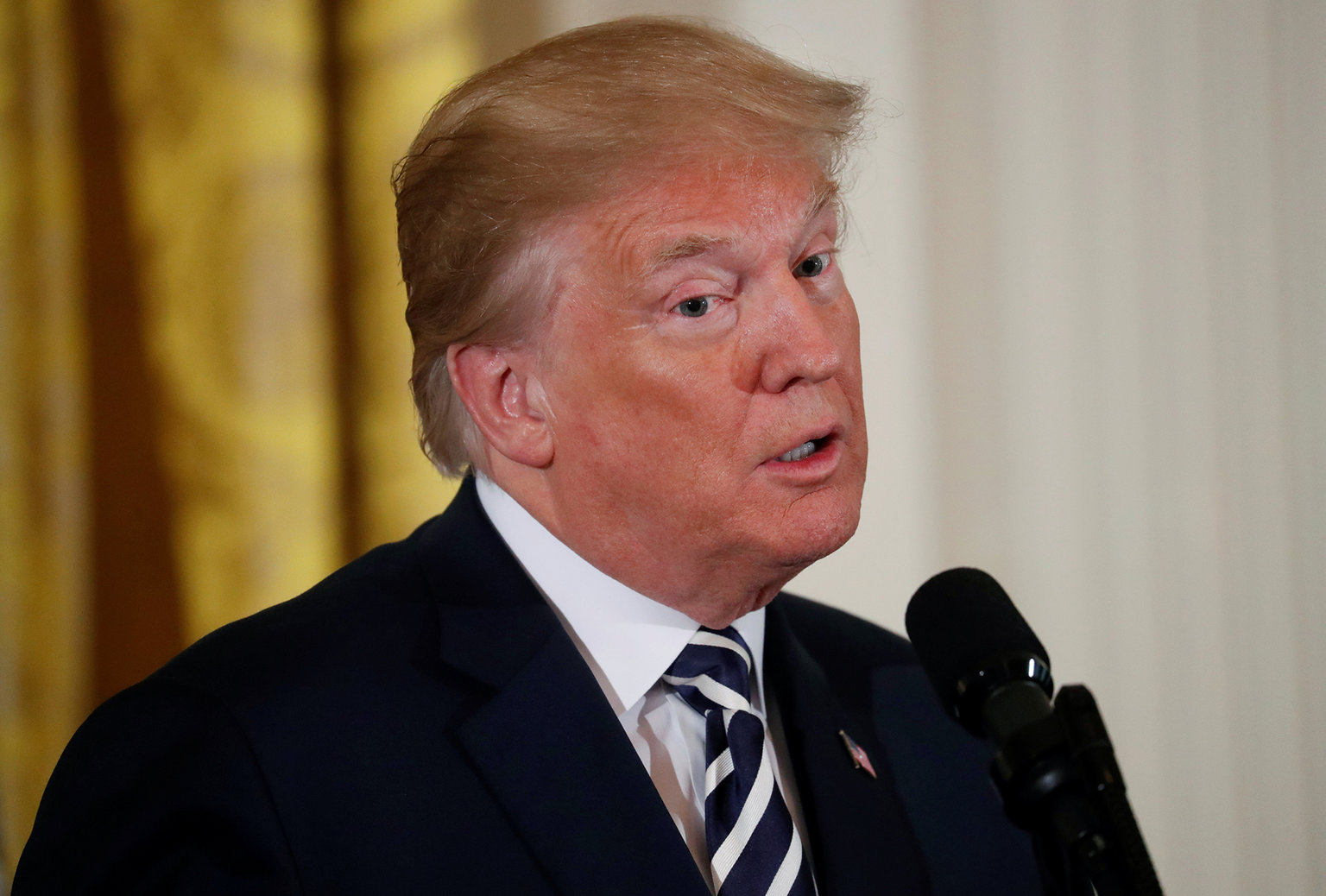
Donald Trump.REUTERS/Leah Millis

  • The Trump administration will resurrect a Reagan-era rule that would ban federally funded family planning clinics from discussing abortion with women, or sharing space with abortion providers.
  • The Department of Health and Human Services will announce its proposal Friday, a senior White House official said Thursday.
  • The policy has been derided as a “gag rule” by abortion rights supporters and medical groups, and it is likely to trigger lawsuits that could keep it from taking effect.
  • Abortion is a legal medical procedure. Doctors’ groups and abortion rights supporters say a ban on counseling women trespasses on the doctor-patient relationship.

The Trump administration will resurrect a Reagan-era rule that would ban federally funded family planning clinics from discussing abortion with women, or sharing space with abortion providers.

The Department of Health and Human Services will announce its proposal Friday, a senior White House official said Thursday, speaking on condition of anonymity because the official was not authorized to confirm the plans before the announcement.

The policy has been derided as a “gag rule” by abortion rights supporters and medical groups, and it is likely to trigger lawsuits that could keep it from taking effect. However, it’s guaranteed to galvanize activists on both sides of the abortion debate ahead of the congressional midterm elections.

The Reagan-era rule never went into effect as written, although the Supreme Court ruled that it was an appropriate use of executive power. The policy was rescinded under President Bill Clinton, and a new rule went into effect that required “nondirective” counseling to include a range of options for women.

Abortion is a legal medical procedure. Doctors’ groups and abortion rights supporters say a ban on counseling women trespasses on the doctor-patient relationship. They point out that federal family planning funds cannot be currently used to pay for abortion procedures.

Abortion opponents say a taxpayer-funded family planning program should have no connection whatsoever to abortion.

“The notion that you would withhold information from a patient does not uphold or preserve their dignity,” said Jessica Marcella of the National Family Planning & Reproductive Health Association, which represents family planning clinics. “I cannot imagine a scenario in which public health groups would allow this effort to go unchallenged.”

She said requiring family planning clinics to be physically separate from facilities in which abortion is provided would disrupt services for women across the country.

But Kristan Hawkins of Students for Life of America said, “Abortion is not health care or birth control and many women want natural health care choices, rather than hormone-induced changes.”

Abortion opponents allege the federal family planning program in effect cross-subsidizes abortion services provided by Planned Parenthood, whose clinics are also major recipients of grants for family planning and basic preventive care. Hawkins’ group is circulating a petition to urge lawmakers in Congress to support the Trump administration’s proposal.

Known as Title X, the nation’s family-planning program serves about 4 million women a year through clinics, at a cost to taxpayers of about $260 million.

Planned Parenthood clinics also qualify for Title X grants, but they must keep the family-planning money separate from funds used to pay for abortions. The Republican-led Congress has unsuccessfully tried to deny federal funds to Planned Parenthood, and the Trump administration has vowed to religious and social conservatives that it would keep up the effort.

Source: http://www.businessinsider.com/trump-to-revive-law-banning-fed-funded-clinics-from-discussing-abortion-2018-5