6-nov-2016

The Patriarch of the Russian Orthodox Church, the Head Mufti of Russia and the Children’s Ombudswoman support the removal of abortions from Russia’s mandatory health insurance, but officials and doctors say that a ban will only move the procedure underground.

On Sept. 27, Russian Orthodox Patriarch Kirill signed “The citizen’s petition for banning abortion.” Promoted by conservative Orthodox activists, the petition supports the position that life begins at conception and reads in part: “We, citizens of the Russian Federation, speak in favor of terminating the practice of legally killing infants before birth.”

The move by the patriarch has once again brought the controversial topic of abortion to the fore in Russian society.

It would be hard to call the patriarch’s support of the petition unexpected. Like many branches of Christianity, including the Catholic Church, the Orthodox Church considers abortion murder.

In his Twitter account, journalist Ivan Davydov responded (in Russian) ironically to bloggers who were surprised or outraged by Kirill’s words:

“Judging by the public’s reaction, it seems that many expected the patriarch to speak in favor of a sexual revolution. He was really disappointing.”

A ban, but not a ban

Immediately after the patriarch’s signature on the petition was announced, his press secretary, Alexander Volkov, made a statement tempering the move.

“This petition is not about a ban, but about removing abortions from the mandatory health insurance system,” Volkov said, adding that Kirill “signed the petition in order to attract society’s attention to the issue.”

Vladimir Legoida, head of the Synodal Department for Church-Society Relations and the Mass Media, clarified the Orthodox Church’s position to the TASS news agency: “The most important demand today is to have abortions removed from the mandatory health insurance system so that people who do not support abortions do not have to pay for them out of their pocket,” Legoida said.

Legoida also went a step further, noting that he hopes a future ban on state-funded abortions will become the first step towards a society completely free of abortions.

Allies against abortion

On the subject of abortion, Russia’s official Christian and Muslim representatives agree. Chief Mufti of Russia Talgat Tadjuddin expressed his support for Kirill’s position, calling abortion “infanticide.”

New Children’s Rights Ombudswoman Anna Kuznetsova also added her voice to those calling for a ban. “The entire civilized world has long been speaking against the phenomenon of abortion; we support this position,” Kuznetsova said, noting the importance and effectiveness of state policy in preventing abortions. According to Kuznetsova, last year 67,000 women were dissuaded from taking this step.

A dangerous move for women

The Russian Health Ministry, however, does not support either banning abortion altogether or removing it from the list of procedures covered under the mandatory health insurance system. Health Minister Veronica Skvortsova told radio station Gorvorit Moskvi (Moscow Speaking) that the introduction of limits on abortions could be dangerous for women.

“There are certain nuances that are related to the possibility of abortions becoming clandestine, especially for people with low incomes, for minors,” said Skvortsova. According to her, the Health Ministry’s objective is to prevent an increase in infant mortality and maternal deaths, which could appear if such restrictions are introduced.

Other critics of a ban on abortion echo Skvortsova’s statement that restricting the procedure will not end it, but only drive it underground, making abortions more dangerous for women.

Victor Radzinsky, president of the Russian Society of Obstetricians and Gynecologists says that past attempts to ban abortions did not result in an end to the procedure. “In the Soviet Union abortions were banned between 1936 and 1955. People died from sepsis,” Radzinsky said.

http://rbth.com/politics_and_society/politics/2016/09/29/could-russia-ban-abortions_634405

Source: RBTH

Polish lawmakers approved Friday a government plan of bonuses for families that have a disabled child born to them, as part of a policy aimed at curbing the number of abortions.

The “For Life” plan, to take effect next year, provides for a one-time payment of 4,000 zlotys ($1,000) upon the birth of a disabled child or one with a life-threatening disease.

Government member Elzbieta Witek said the money is intended as the “first step” of government support for families with disabled children. Such families have long been demanding higher government provisions, which currently stands at 1,300 zlotys a month for a parent taking care of the child full-time.

The conservative Law and Justice government, under the influence of the Catholic church, is seeking to ban abortions of deformed or sick fetuses, or even those with no chance of survival, to make possible their baptism and burial.

Poland’s law bans abortions except for cases when the woman’s life or health is threatened, the pregnancy results from rape or incest or the fetus is irreparably damaged. But under the general anti-abortion climate and threat of prison terms, doctors often refuse to perform the admissible abortions.

Government figures say that 1,040 abortions were performed last year, while experts say some 150,000 abortions are done illegally and secretly.

The government says that most of the legal abortions are performed on fetuses with genetic defects like Down syndrome and says that should be stopped.

The parliament, dominated by the ruling party, voted 267-140 in favor of the plan with 21 abstentions.

By: THE ASSOCIATED PRESS

http://abcnews.go.com/International/wireStory/anti-abortion-poland-offers-payments-disabled-newborns-43299898

Source: ABC News

Targeted DNA sequencing of fetal cells from Papanicolaou (Pap) smears may offer an improved and earlier route to prenatal genetic screening, according to a report published online November 2 in Science Translational Medicine.

The novel strategy, which analyzes DNA from trophoblasts that have been shed into the endocervical canal (ECC), correctly distinguished fetal DNA in 20 consecutive samples. The work paves the way for an improved route to prenatal screening and testing that could begin as early as 5 weeks’ gestation.

“This would be very well accepted by physicians and patients, provided the technology is verified and endorsed as safe by a national organization, such as the [American Congress of Obstetricians and Gynecologists],” James Byrne, MD, maternal-fetal medicine specialist and chair of the Department of Obstetrics and Gynecology at the Santa Clara Valley Medical Center and affiliated clinical professor, Stanford University School of Medicine, California, told Medscape Medical News. Dr Byrne was not involved in the study.

The three types of prenatal screening tests currently in widespread use have limitations: invasiveness and use later in pregnancy (8 to 20 or more weeks) for amniocentesis and chorionic villus sampling (CVS) and low fetal fraction for cell-free fetal DNA testing (aka “NIPS” and “NIPT,” for noninvasive prenatal screening or testing).

Trophoblasts give rise to the placenta and carry the same genome as the developing embryo and fetus. Thus, probing the DNA in Pap smear trophoblasts could provide the same information as the other prenatal tests but could be performed earlier and less invasively.

In addition, the new procedure overcomes the technical challenge of zeroing in on the fetal contribution among the much more abundant maternal cells and their DNA.

“Straightforward Alternative”

Prior studies have shown that it’s possible to genotype cells in chorionic villus fragments shed into the ECC. In the new work, Chandni V. Jain, PhD, a research associate in the laboratory of Sascha Drewlo, PhD, and D. Randall Armant, PhD, and colleagues at Wayne State University School of Medicine, Detroit, Michigan, devised a “nuclear isolation protocol” to exclude most maternal DNA from ECC samples.

The initial separation, called TRIC (trophoblast retrieval isolation from the cervix), uses anti-HLA-G coated to magnetic nanoparticles to collect cells that express HLA-G, a human leukocyte antigen unique to trophoblasts and placental cells. The cells are then mounted on a slide and their nuclei isolated, which eliminates the clinging pieces of maternal DNA. Finally, the denuded trophoblast nuclei are lysed, releasing fetal DNA for analysis.

Teamed with detection of genetic markers that span the genome, the approach is “a straightforward alternative that uses a Pap smear to capture intact fetal trophoblast cells in numbers sufficient for next-generation sequencing as early as 5 weeks of gestation,” the investigators write.

The researchers probed 20 consecutive ECC specimens that included pieces of placenta, from gestational ages of 5 to 19 weeks. Beta-human chorionic gonadotropin staining identified the cells as fetal, and fluorescence in situ hybridization distinguished the X and Y chromosomes.

Targeted sequencing genotyped 59 short tandem repeats and 94 single-nucleotide variants that spanned the 24 human chromosome types. Placental DNA served as a control because it should match fetal DNA sequences.

(The paper uses the term “fetal” even for samples from the embryonic period. Reviewers advised this because that is what practitioners use when referring to CVS and amniocentesis, Dr Drewlo told Medscape Medical News.)

All 20 fetal samples matched the placental samples, indicating a high degree of discrimination of fetal genetic markers from those in the maternal genome. The average fetal DNA fraction was 92.2% ± 6.5%, indicating minimal contamination with maternal DNA. In contrast, the fetal fraction in cell-free fetal DNA in the maternal circulation at 10 weeks’ gestation is only 4% to 10%.

Noninvasive Testing an Advantage

Pap smear–based prenatal testing offers several potential advantages. A woman’s body mass index does not compromise Pap screening results, as it can the other technologies. Dr Byrne lists other advantages. “Reliable testing can be obtained earlier in pregnancy. It is noninvasive, which would provide reassurance to many patients. And it is simpler than NIPT. It has tremendous commercial potential because it would utilize existing pipelines of patients.”

One limitation of the study is the small sample size. Another limitation is a natural and not a technological phenomenon: placental mosaicism. A somatic mutation in a placental cell or a cell from the actual embryo or fetus could cause discordance, which would appear as a false negative or positive. “The effect of mosaicism is not well understood. It is a problem for all approaches,” said Dr Drewlo.

“Expect some time to allow appropriately large sample sizes to validate the technology. If it is confirmed, and then endorsed by leading organizations, then it’s easy to see the potential for rapid market dominance. This is certainly a promising report,” concluded Dr Byrne.

Dr Armant and Dr Drewlo have pending patents on the isolation and use of endocervical trophoblast cells for fetal diagnosis and have licensed intellectual property to PerkinElmer Inc. Dr Byrne has disclosed no relevant financial relationships.

http://www.medscape.com/viewarticle/871305?nlid=110427_2581&src=WNL_mdplsnews_161104_mscpedit_obgy&uac=244711BY&spon=16&impID=1228473&faf=1

Source: Medscape Medical News

4-nov

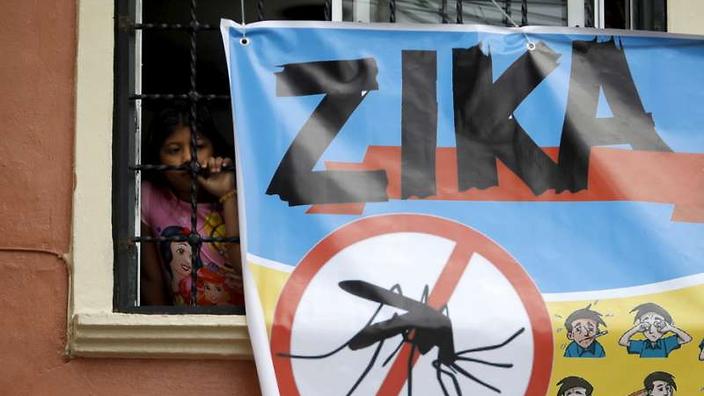
The Zika outbreak has led to calls for Latin American countries to loosen their strict abortion laws and make contraceptives more readily available.

The Zika virus outbreak and its probable association with microcephaly in newborns are prompting calls to loosen Latin America’s strict abortion laws and make birth control more readily available.

Abortion is fully criminalized in six countries in the region. In El Salvador, for instance, women who have abortions can face prison. In many other countries, including Brazil and Colombia, abortion is permitted only in cases of rape, incest or fetal impairment.

As Zika raises anxieties about babies born with significant medical problems, some physicians and reproductive health advocates think the virus should create another legal exception for abortion.

Even though abortion is outlawed in much of Latin America, women still seek it out at legal and physical risk. In fact, 13 percent of maternal deaths (the fourth highest cause) in the region can be attributed to unsafe abortions.

Concern about Zika could lead to real change for reproductive health for millions of women in the region. But this can happen only if the expansion of abortion and contraception is based on human rights and reproductive health equity, not driven primarily by fears of defective babies.

Abortion is restricted in most of Latin America

Abortion is fully criminalized, with no exceptions, in El Salvador, Chile, Dominican Republic, Haiti, Nicaragua and Suriname. In El Salvador, 30 to 40 women are serving prison sentences for seeking abortions.

In many other countries, including Argentina, Costa Rica, Bolivia, Brazil and Colombia, abortion is permitted under certain circumstances.

In Brazil, for instance, abortion has been allowed since 1940 in instances of rape or endangerment to the woman. Women who seek abortions outside these exceptions and the physicians who perform the procedure can be imprisoned.

In 2012, Brazil’s Supreme Court upheld anencephaly (the absence of parts of the brain and skull in the fetus) as a justifiable condition for the termination of a pregnancy, creating a new exception.

Health officials in Brazil have suggested that women avoid pregnancy until the Zika crisis is over. While Brazilian women are using contraception at a slowly increasing rate, up to 81 percent in 2006 from 78 percent in 1996, there are significant class and regional divides when it comes to access.

A member of ‘Miles,’ an NGO supporting sexual and reproductive rights, shows pins that read ‘I support the abortion decision’ at their headquarters in Santiago.

In 2006, Colombia’s Constitutional Court issued Decision C-355, guaranteeing three health exceptions for abortion: when the woman’s health is endangered, when serious malformations make the fetus unviable or when the pregnancy has resulted from criminal acts such as rape or incest. The decision was based, in part, on action from two groups called Women’s Link Worldwide and La Mesa.

Now that Zika is spreading in Colombia, affecting as many as 6,300 pregnant women, some physicians and women’s health advocates are eyeing the possibility of another exception.

While that possibility is debated, officials are urging women of childbearing age to avoid pregnancy, a suggestion as problematic as it is unrealistic. Colombia has high levels of unplanned pregnancy, and birth control is expensive.

El Salvador, Ecuador and Jamaica have made similar calls for women to delay pregnancy.

Why is access to birth control and abortion so restricted?

Up to one-half of sexually active women in Latin America have an unmet need for contraceptionUp to 58 percent of pregnancies in Latin America are unintended (compared to 45 percent in the United States).

Many factors explain why birth control is out of reach for so many Latin American women. Cost can be a significant barrier to access, but it’s not the only one.

The Catholic Church and evangelical religions are stalwart opponents to abortion and contraception. Even when there is growing public support of birth control and abortion, legislatures have been exceedingly slow to enact change.

 Why are mothers in El Salvador being charged with homicide or manslaughter after losing a child? Dateline investigates the country’s extreme anti-abortion laws and finds local women fighting to have their cases heard.

For instance, in the mid-2000s, then-President Luiz Inácio Lula da Silva sought to expand abortion in Brazil, casting it as an important public health issue. Despite rising public support, he could not obtain enough support from his own left-wing Worker’s Party (PT) to change existing law.

Judicial interpretation frequently invokes moral law about protecting the right to life from conception. For example, both Argentina’s Civil Code and Brazil’s Penal Code and Constitution uphold that life commences at conception. This has been invoked in a range of abortion cases.

Finally, mainstream media coverage of abortion tends to be negative and reflects patriarchal values around motherhood and reproduction.

These obstacles are why women’s rights groups and reproductive health advocates, like those who argued for exceptions in Colombia, have strategically used harm reduction and exception rationales to open wedges in ironclad abortion policies.

Where is abortion legal in Latin America?

Abortion is legal and accessible in just a few places in Latin America.

In 1979, Cuba fully legalized abortion and made it available as part of overall health services.

In 1995, Guyana allowed women to obtain abortions on request in the first eight weeks of pregnancy. After that, abortion is available under certain circumstances.

In 2007, following campaigns that involved women’s groups, supportive legislators and NGOs, Mexico City bucked national policy and decriminalized abortion in the first trimester. The decision was based on human rights, reproductive health and even sympathetic theological arguments.

Uruguayan senators vote 17 to 14 in favor of a bill to legalize abortions during the first 12 weeks of pregnancy in Montevideo.

In 2012, Uruguay made abortion available upon request in the first 12 weeks of pregnancy, following a five-day period of reflection for the woman considering termination. Later-term abortions are permitted in instances of rape and when a women’s health is endangered.

The seeds for this change were planted in the mid-2000s with the implementation of a “harm reduction model,” which allowed women to induce abortions using drugs like Mifeprex. Although this law depended on the logic of health exception, it was passed amid increasing emphasis on health equity. Since its passage, maternal deaths due to abortion have decreased markedly in the country. Uruguay now has the third lowest maternal death rate in the Americas after Canada and the United States.

Not surprisingly, contraception also is more accessible and accepted in countries where abortion laws are less restrictive. For example, a 2014 Pew Research Center poll found that only five percent of people in Uruguay believe contraception is morally wrong, compared to 45 percent in El Salvador.

Underground abortions are a major public health problem

Zika is a public emergency in Latin America, forcing nations to devote resources to halting its continued spread. But unsafe abortion is another public health crisis the region faces.

Latin America has the highest incidence of unsafe abortion in the world, resulting in approximately 1,100 maternal deaths per year. According to the Guttmacher Institute, of the 4.4 million abortions performed in all of Latin America in 2008, 95 percent were unsafe. About 760,000 women are hospitalized for complications from these substandard procedures each year.

Many of the women harmed by lack of access to abortion are indigenous, low-income or live in rural areas. They may not have money nor the legal resources to obtain abortions in private clinics or to make a case for an exception based on rape or incest.

Indeed, 1.6 million women are raped each year in Latin America, making access to emergency contraception and abortion all the more critical.

The Zika outbreak has the potential to promote change in abortion and birth control policies across Latin America. Yet these reproductive health options should not be framed simply as solutions to the latest health crisis or the specter of babies with deformities. Women need contraception and access to safe, legal abortion whether they are living in an area where Zika is active, or not.

Following the lead of Uruguay and Mexico City, framing abortion and contraception in terms of human rights and reproductive health equity could help expand access to these critical services for millions of women.
http://www.sbs.com.au/news/dateline/article/2016/11/04/zika-and-abortion-will-virus-prompt-latin-america-rethink-abortion-and-birth

Source: SBS

3rd-nov-post

Women from Northern Ireland who seek abortion are “second-class citizens”, the Supreme Court has been told.

On Wednesday, the court heard a legal challenge brought by a mother and daughter who want women from Northern Ireland to be allowed access to NHS-funded abortion care in England.

Women from Northern Ireland are not entitled to free NHS abortions in England.

Judgement in the case has been reserved until a later date.

In Northern Ireland, unlike the rest of the UK, abortion is only allowed if a woman’s life is at risk or there is a permanent or serious risk to her physical or mental health.

‘Desperate and stressful practices’

The case at the centre of the hearing was originally brought in 2014 by a young woman, A, and her mother, B.

The young woman was 15 when she and her mother travelled to Manchester to have an abortion, at a reported cost of £900.

According to the British Pregnancy Advisory Service (BPAS), last year 833 women were recorded as having travelled from Northern Ireland to England and Wales for abortion care.

Analysis: Clive Coleman, BBC legal affairs correspondent

If A succeeds it could open the way for women from Northern Ireland to be permitted abortions on the NHS in England.

She argues that the Secretary of State for Health failed to discharge his duty under section three of the NHS Act 2006 to “meet all reasonable requirements” in England for services – including abortion.

A also argues that her human rights under Article 8 and Article 12 of European Convention of Human Rights, have been breached and she has been discriminated against – by reason of being treated differently from other women in England.

However, the fact that abortion is illegal in Northern Ireland – save in exceptional circumstances – remains a major obstacle.

Their challenge against a ruling that prevents women from Northern Ireland having free NHS abortions in England was unsuccessful at the High Court and the Court of Appeal, but they were granted permission to appeal to the Supreme Court.

In court, a lawyer for the two women said that women in A’s position “find themselves in desperate and stressful practices and become second-class citizens in abortion”.

He added that B said it was “more stressful, humiliating and traumatic for a 15-year-old girl than it needs to be”.

Lady Hale, the deputy president of the Supreme Court, told the women’s lawyers that she was far more interested in the human rights arguments in the case than the NHS Act arguments.

http://www.bbc.com/news/uk-northern-ireland-37837283

Source: BBC


2nd-november

Despite numerous protests, the Northern Ireland assembly has refused to relax abortion legislation. Photograph: Charles McQuillan/Getty Images


Teenager is taking NHS to supreme court over its refusal to fund abortions for woman from Northern Ireland

Northern Irish teenager who as a fifteen year old had to go to England to terminate a pregnancy, is challenging the NHS’s refusal to fund abortions for women from the region in the supreme court on Wednesday.

The health service has so far refused to pay for abortions for women from Northern Ireland who travel to England for terminations.

The girl, identified as “A”, and her mother are appealing to the supreme court to force the NHS to fund abortions. Their lawyers have described the refusal to financially help women from Northern Ireland who are in crisis pregnancies as “perverse and unlawful”.

Abortion is only available in Northern Ireland’s hospitals when there is a direct threat to the mother’s life if the pregnancy continues. In all other cases abortion is illegal.

Last November, a high court judge ruled that, as it stands, Northern Ireland’s abortion laws violate the rights of women and girls in cases of fatal foetal abnormalities or where a pregnancy is the result of a sexual crime.

An estimated 2,000 women travel to English hospitals and clinics from Northern Ireland every year to have terminations. All of these women have to raise money to go to private clinics in England for abortions.

There is strong opposition to liberalising the province’s strict anti-abortion laws across the floor of the Northern Ireland assembly. The 1967 Abortion Act was never extended to Northern Ireland, and a bid to ease the country’s termination laws to include cases of fatal foetal abnormalities and pregnancy via sexual crime was rejected earlier this year.

In the supreme court on Wednesday judges will be told that in 2012, then 15-year old “A travelled to Manchester from Northern Ireland with her mother (B), where she paid £600 for an abortion, on top of £300 in travel costs.

They received charitable assistance from the Abortion Support Network in the sum of £400 without which they could not have afforded the treatment. A and B have since argued in the high court and court of appeal that the cost of the treatment should have been free for them as UK citizens, and that by not enacting this change, Jeremy Hunt, the secretary of state for health, has failed in his duty to make NHS procedures reasonably available.

Angela Jackman, a partner at law firm Simpson Millar, has been representing A & B throughout the legal process.

Jackman said: “For women in Northern Ireland who are pregnant and seek a termination, the status quo is almost unbearable. I believe the legal arguments of the secretary of State are perverse and contrary to its international obligations. Many women face the choice between an unlawful termination using dangerous and illegal pills, with the prospect of prosecution to follow, or a costly journey to England where they must pay privately for an abortion. For many women, those costs are prohibitive.”

She continued: “This is the end of a long and significant domestic journey. I am pleased that the issue is finally being given due consideration by the supreme court, the importance of which cannot be underestimated.”

The supreme court has recently granted six national charities the right to intervene in the A and B case.

The British Pregnancy Advisory Service, the Family Planning Association, Alliance for Choice, Abortion Support Network, Birthright and the British Humanist Association have been granted permission to provide their perspectives on the issue in the supreme cCourt hearing.

Jackman added: “I am pleased that the court has permitted these six charities to provide submissions in this case. Through their efforts in providing advice and assistance to women like ‘A’, and campaigning for the reproductive choices of women, these charities can offer invaluable insight into the reality of the situation for the court’s consideration.”

The British Humanist Association’s director of public affairs and policy, Pavan Dhaliwal, said denying women from Northern Ireland in crisis pregnancies support was putting their lives at risk.

“Our government’s stance in refusing women from Northern Ireland safe and legal abortion on the NHS is shameful and we believe it is a breach of human rights laws. The supreme court judges have an opportunity to rectify a situation which currently causes undue distress to hundreds of women and leaves many more with no choice but to buy illegal abortion pills online,” he said.

The case will concern A and B versus the secretary of state for health. The arguments will be heard in front of five judges at the one-day hearing.

https://www.theguardian.com/world/2016/nov/02/northern-ireland-nhs-abortions-supreme-court-law

Source: The Guardian

Demand for abortion pills on the rise

American women are ending pregnancies with medication almost as often as with surgery, marking a turning point for abortion in the United States, data reviewed by Reuters shows.

The watershed comes amid an overall decline in abortion, a choice that remains politically charged in the United States, sparking a fiery exchange in the final debate between presidential nominees Hillary Clinton and Donald Trump.

When the two medications used to induce abortion won U.S. approval 16 years ago, the method was expected to quickly overtake the surgical option, as it has in much of Europe. But U.S. abortion opponents persuaded lawmakers in many states to put restrictions on their use.

Although many limitations remain, innovative dispensing efforts in some states, restricted access to surgical abortions in others and greater awareness boosted medication abortions to 43 percent of pregnancy terminations at Planned Parenthood clinics, the nation’s single largest provider, in 2014, up from 35 percent in 2010, according to previously unreported figures from the nonprofit.

The national rate is likely even higher now because of new federal prescribing guidelines that took effect in March. In three states most impacted by that change – Ohio, Texas and North Dakota – demand for medication abortions tripled in the last several months to as much as 30 percent of all procedures in some clinics, according to data gathered by Reuters from clinics, state health departments and Planned Parenthood affiliates.

Among states with few or no restrictions, medication abortions comprise a greater share, up to 55 percent in Michigan and 64 percent in Iowa.

Denise Hill, an Ohio mother who works full time and is pursuing a college degree, is part of the shift.

Hill, 26, became extremely ill with her third pregnancy, sidelined by low blood pressure that made it challenging to care for her son and daughter. In July, eight weeks in, she said she made the difficult decision to have a medication abortion. She called the option that was not available in her state four months earlier “a blessing.”

The new prescribing guidelines were sought by privately-held Danco Laboratories, the sole maker of the pills for the U.S. market. Spokeswoman Abby Long said sales have since surged to the extent that medication abortion now is “a second option and fairly equal” to the surgical procedure.

“We have been growing steadily year over year, and definitely the growth is larger this year,” Long said.

Women who ask for the medication prefer it because they can end a pregnancy at home, with a partner, in a manner more like a miscarriage, said Tammi Kromenaker, director of the Red River Women’s Clinic in Fargo, North Dakota.

GAME CHANGER

Medication abortion involves two drugs, taken over a day or two. The first, mifepristone, blocks the pregnancy sustaining hormone progesterone. The second, misoprostol, induces uterine contractions. Studies have shown medical abortions are effective up to 95 percent of the time.

Approved in France in 1988, the abortion pill was supposed to be a game changer, a convenient and private way to end pregnancy. In Western Europe, medication abortion is more common, accounting for 91 percent of pregnancy terminations in Finland, the highest rate, followed by Scotland at 80 percent, according to the Guttmacher Institute, a nonprofit research organization that supports abortion rights.

In the United States, proponents had hoped the medication would allow women to avoid the clinics that had long been targets of protests and sometimes violence.

But Planned Parenthood and other clinics remain key venues for the medication option. Of the more than 2.75 million U.S. women who have used abortion pills since they were approved in 2000, at least 1 million got them at Planned Parenthood.

Many private physicians have avoided prescribing the pills, in part out of concern that it would expose their practices to the type of protests clinics experienced, say doctors, abortion providers and healthcare organizations.

At the same time, the overall U.S. abortion rate has dropped to a low of 16.9 terminations per 1,000 women aged 15-44 in 2011, down from 19.4 per 1,000 in 2008, according to federal data. The decline has been driven in part by wider use of birth control, including long lasting IUDs.

In March, the U.S. Food and Drug Administration changed its prescribing guidelines for medication abortion. The agency now allows the pills to be prescribed as far as 10 weeks into pregnancy, up from seven. It cut the number of required medical visits and allowed trained professionals other than physicians, including nurse practitioners, to dispense the pills. It also changed dosing guidelines.

The changes were supported by years of prescribing data and reflect practices already common in most states where doctors are free to prescribe as they deem best.

Ohio, Texas and North Dakota took the unusual step of requiring physicians to strictly adhere to the original guidelines. Many abortion providers were reluctant to prescribe the pills under the older guidelines, which no longer reflected current medical knowledge, said Vicki Saporta, President and CEO of the National Abortion Federation.

Randall K. O’Bannon, a director at the anti-abortion National Right to Life organization, criticized the new guidelines but said his organization had no plans to fight them.

“What they did was make it more profitable,” O’Bannon said. “It will increase the pool of potential customers.”

Planned Parenthood said both types of abortion typically cost from $300 to $1,000, including tests and examinations. The group charges a sliding fee based on a patient’s ability to pay, regardless of which type of abortion they choose.

VARIED ACCESS

Despite a landmark U.S. Supreme Court ruling that abortion is a woman’s right, access varies widely by state. Some states maintain restrictions on both surgical and medication abortions; others have worked to increase access.

In rural Iowa, where clinics are few and far between, Planned Parenthood is using video conferencing, known as telemedicine, to expand access.

The way it works is, a woman is examined in her community by a trained medical professional, who checks vital signs and blood pressure and performs an ultrasound. The information is sent to an off-site doctor, who talks with the woman via video conference and authorizes the medications.

Since the telemedicine program began in Iowa in 2008, medication abortions increased to 64 percent of all pregnancy terminations, the highest U.S. rate.

In New York, Hawaii, Washington and Oregon, a private research institute, Gynuity Health Projects, works with clinics to send abortion pills by mail to pre-screened women.

“Medication abortion is definitely the next frontier,” said Gloria Totten, president of the Public Leadership Institute, a nonprofit that advises advocates.

And in Maryland and Atlanta, the nonprofit organization Carafem opened centers in the last 18 months that offer birth control and medication, but not surgical, abortions. It promotes its services with ads that read: “Abortion. Yeah, we do that.”

(Reporting By Jilian Mincer; Editing by Michele Gershberg and Lisa Girion)

http://www.reuters.com/article/us-usa-healthcare-abortion-exclusive-idUSKBN12V0CC

Source: Reuters


31-october-2nd-post

IT IS IMPERATIVE that you take the time to vote in this election cycle for Hillary Clinton and encourage your friends and associates to do so as well.

Recent events have placed Your civil liberties and many other important issues in grave jeopardy.

** Trump IS A Horrific Imbecile and more importantly a World Danger.
Briefly, only a subset:
A. He has stated he Will overturn R v W, the judicial precedent of a near one half century, that grants women bodily autonomy and protect their civil liberties. He desires to punish women if they attempt to exercise their right to bodily autonomy. Our civilization will collapse if we place 1,000,000 women in the US in jail every year. It is that simple and stupid and wrong.

B. He believes that climate change is a hoax by the Chinese.
However, climate change is Real, and the consensus of the entire scientific community agrees.
Denying the reality of climate change and refusing to consider that reality, may destroy our planet within the next century.

C. Trump has stated that he desires the proliferation of Nuclear weapons, that he loves War, and he would use nuclear weapons. Using Nuclear weapons could easily irradiate and destroy our planet.

Trump is a existential threat to civilization and humanity. This is Not hyperbole.

***
Your state’s electoral votes are capable of changing the entire National election, and some states can (and have been historically) be won or lost by a handful of votes.
YOUR VOTE COUNTS !!!

Please Vote to elect the most qualified candidate to ever run for President of the United States.
Hillary Clinton.
Even in the absence of Trump, a despicable candidate, Hillary Clinton would have been the obvious and best choice against ANY of the GOP candidates.

She has a proven life long career of actions supporting and defending the civil liberties of women, children, and generally all members of society.

This is in stark contrast to the GOP nominee, Donald Trump, who:

– Desires to repeal the Supreme court decision allowing women the rights to choose to have control over their bodies, including access to abortion services.

– Immediately repealing the ACA as he has promised will immediately end health insurance for over 30,000,000 US citizens. People will die, and personal bankruptcies due to health care costs will be epidemic again.

– Desires to “Punish” women that choose to control their bodies.

– Believes that climate change is a Hoax perpetrated by the Chinese and will not even begin to consider the consensus of scientific evidence of the obvious.

– For the first time since the invention of nuclear weapons Trump is a proponent of Nuclear proliferation to other countries. Including Saudi Arabia.

– In his own words has stated a desire to use tactical nuclear weapons.
Nuclear weapons are for deterrence, not for wanton use.

– Desires to pull back from the geopolitical goals of a unified Europe through NATO, and will disregard our treaty obligations and the US best self interest to maintain our alliances with Europe that have maintained peace for near 70 years now.

– Brags about assaulting women. Brags about trying to seduce married women.

– Has a long sordid history of objectifying women – you have all heard the litany.

– Ivana accused him of rape under oath.

– Over a dozen women have recently revealed that Trump is a sexual predator and assaults women as a matter of routine. Trump has chosen to sue these women, revealing that he desires to make it even more difficult for women to report sexual assault – a known problem already.

– Has settled other sexual harassment cases with gag and non disparagement clauses so those women are not able to speak out.

– He has a hearing for a rape charge this very 12/2016.

– Trump has an impending trial or settlement for massive Fraud in Trump University.

– Desires to sue women that have had the courage to bring forward their stories of abuse by Trump. Again supporting bullying behavior to anyone, for any reason.

– Has mocked the disabled.

– Mocked war héros that spent time in POW camps, because they were ‘caught.’

– Mocked parents who have lost their sons in war.

– He will not release his tax returns as every president in modern history has done so. He promised he would release them, he is able to release them, but he lied and is not releasing them. His 2015 tax return that has been filed and not reported to be under audit could be released tonight.

– Has admitted to bribing a wide variety of people in business over decades.

– Has bankrupted multiple businesses and routinely does not pay people for their good work done.

– Threatened to place Hillary Clinton in Jail, just as a dictator would behave.

– Likes the idea of bringing back torture methods that have been proven to not be helpful.

– Put forward a religious ban on individuals including citizens traveling to the US – it is impossible to ascertain exactly what someones religious beliefs are, let alone adjudicate them.

– Has been shown to have lied more times than any other candidate in the history of presidential candidates.

– Thinks he knows more than anyone on any topic including Generals that fight wars.

– Suggests he will build a 40 foot 1,200 mile wall that Mexico will pay for. And it would go 20 feet underground as well. This will not happen as it is impossible, there is no budget, and where would we get all that concrete? China? As Trump has previously used in violation of trade law?

– Suggests our entire system of democracy is rigged undermining faith in the well established democracy we have as reported by every GOP member that runs elections in their respective states.

– Supports racially tainted causes, and is beloved by the KKK, and white supremacists in general. And he refuses to disavow them in strictest terms.

– His running mate, Pence, distinguished himself by signing into law a law that Protects Discrimination in the state of Indiana. And who pronounces that he is dedicated to his Christian Moral vision before the best interests of our country.

– The GOP has mostly refused to defend Trumps idiotic and imbecilic comments and many including Paul Ryan admitted that Trumps statements were textbook definitions of racist statements.

– His planned economic policy expands our debt massively, and is incoherent.

– Wants to kill the families of terrorists and opponents, who are likely innocent civilians.

– Desired to allow people to carry open guns in bars, a notion that the NRA does not even support.

– Supported physical violence at his rallies.

– Insulted and had a fight of words with the Pope (who gets in a fight with the Pope?) – even if you disagree with the Pope?
The list is endless.

– Has broken the law by directing funds (he was fined) in his foundation to pay for personal expenses including bribing an attorney general to not investigate his Trump University fraud case.

Please Defend your country with your vote.

IT IS IMPERATIVE that You vote, the sooner the better.

Thank you.

Comments are welcomed as always.

If you are an anti choice troll, please do not regurgitate more of Trump’s lies. We have had enough. Stick to the facts.

https://www.facebook.com/abortioncare/posts/1259537137451673


31-october-post

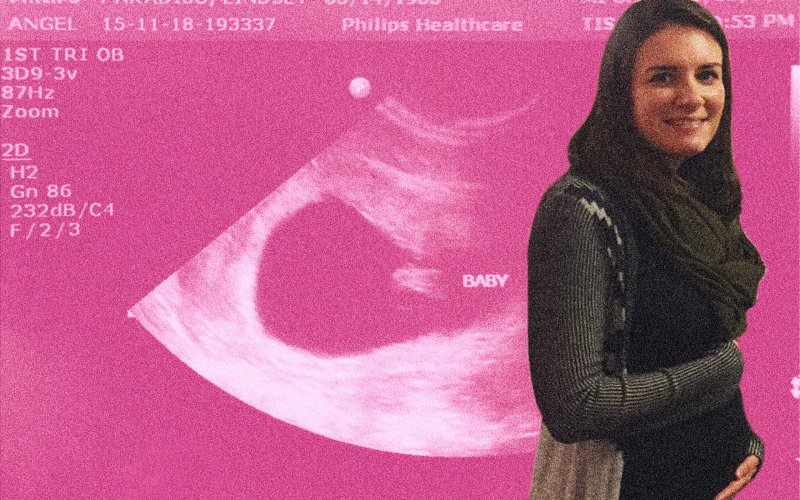
With a viral Facebook post hitting back at the Republican nominee after the third debate, Lindsey Paradiso changed the narrative of what it means to have a late-term abortion.

Lindsey Paradiso and her husband were ecstatic to find out she was pregnant, naming their unborn daughter Omara Rose in January. On Feb. 1, their dreams started crashing down.

During a routine doctor’s visit, an odd bubble was found on the ultrasound. Soon after, they were told she had lymphangioma, a growth from her lymphatic system that was encroaching on Omara Rose’s lungs, eye, and brain. The chances of survival were minimal, and the life she would have was “not one I would wish on my worst enemy,” Paradiso wrote at the time. They decided to induce labor early, to give the parents a chance to hold her and say goodbye.

When Paradiso first wrote about the late-term abortion in February, it was for a small audience on her blog. But Paradiso’s heartbreak went viral last week after Donald Trump’s statements on late-term abortions drove her to write a Facebook post that’s been shared more than 50,000 times. It’s a visual chronicle of her pregnancy, from the video she covertly filmed when telling her husband the good news to a photograph of Omara Rose’s grave.

“Nobody is pro-abortion. Nobody wants children to die,” Paradiso told The Daily Beast in her first-ever interview. “But if you’re gonna get up there and talk about something, you need to know what you’re talking about.

“I would just tell him to freaking do his research,” she added.

Paradiso lived it.

“Yesterday I just had to see her again. My OB allowed us to come in for an ultrasound,” she wrote the day before the abortion. “On the screen it was obvious that the tumor had doubled in size over the previous few days and that it was invading even further into her chest now.”

On Feb. 26, 2016, doctors inserted a long needle into Paradiso’s abdomen and into Omara Rose’s heart, stopping it.

The injection is like an amniocentesis needle “but worse, because you know your child is going to be dead at the end of it,” Paradiso said. “My labor lasted for over 40 hours, and I still think that the injection was probably the worst part.”

They cradled Omara Rose after the abortion. A photographer captured those fleeting moments. “I wanted her to be alive so badly, but I knew it was best that she went without pain,” Paradiso wrote a few days later. “She will never know pain, she will only know love.”

They buried her in a little white coffin. A photographer captured Paradiso and her family cradling Omara Rose and the funeral. In one photo, Paradiso raises Omara Rose’s foot, smaller than one of her own fingers.

It wasn’t until Paradiso saw the last presidential debate that she decided to tell her story. She started having a panic attack, feeling nauseous, getting tunnel vision. And she told herself, “Lindsey, you have to tell the truth.”

Her own father—a “very pro-life” physician—is supporting Trump. But Paradiso said he agreed with her choice to get an abortion.

“He said, ‘Lindsey, you’re making the right decision,’” she recalled.

So Paradiso typed out a post a few times the night of the debate, and then deleted it. After her husband went to bed, she posted it on Facebook.

“Then I sent a message to my friend saying, ‘I don’t know if I should have done that!’” Paradiso said.

Paradiso worried about posting potentially incorrect scientific information, and she didn’t want to make her Facebook a political platform. But she woke up to the post having been shared more than 1,000 times.

At first, she was frustrated that she couldn’t defend herself against negative responses while she was at work, but quickly realized that they were “completely unfounded.”

“These aren’t people I want to defend myself to,” Paradiso said.

On the first night, Paradiso—who runs a photography company and has her number posted online—got a series of calls to her phone in the dead of the night. Others texted to tell her to go kill herself.

On the whole, however, the response has been overwhelmingly positive. She gets messages from pro-life women, many of them religious, who tell her that her case opened their eyes to the need for late-term abortions. She even gets messages from men who thank her for opening their eyes.

But the most meaningful responses, Paradiso said, have been from women who have been through similar situations. Some made the same decision as Paradiso and her husband, while others chose to let the child die naturally before delivering it. They’ve confirmed to Paradiso that she made the right choice.

“I knew she was going to die […] but the doubt I had was in ending the pregnancy early,” she said.

Some of the women told her that their children had started decomposing in-utero, and were delivered almost without skin. They didn’t have the same time to say goodbye and take photos as Paradiso’s family did.

“I kept her whole,” she said. “I think it was definitely the most humane way for her to go, and it was definitely the safest for me.”

Now, months later, she’s able to see some truth in the old saying that everything happens for a reason.

“When that happened, and they were saying that, it really pissed me off,” she said. “[I’d thought], we lost our daughter. There is no good here.”

http://www.thedailybeast.com/articles/2016/10/26/she-put-her-late-term-abortion-on-facebook-to-prove-donald-trump-wrong.html?via=FB_Page&source=MicMediaFacebook

Source: The Daily Beast

30-october

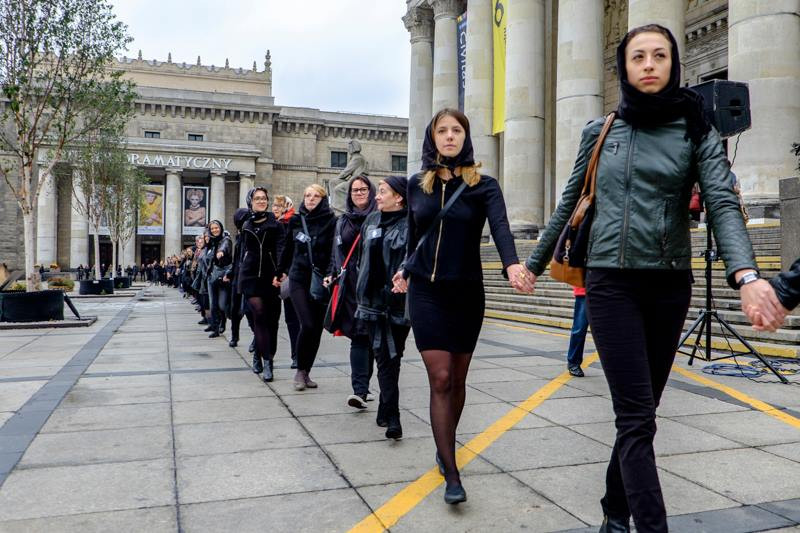
A Polish proposal to jail women who have an abortion would bring the country back to medieval times, MEPs said on Wednesday (5 October) during a debate on Polish women’s rights.

The bill, which is currently examined by the Polish parliament, was “pro-death”, said Italian MEP Gianni Pittella, head of the Social Democratic group.

“Women’s bodies were always a battleground… used for assaults on liberal democracy and open societies,” said Austrian liberal MEP Angelika Mlinar.

It was widely reported that MPs had dropped the bill after a massive protest earlier this week, but it is still being debated and a vote is due later on Thursday.

Poland’s ruling Law and Justice (PiS) party is expected to instruct its MPs to reject the bill, but the party is thought to be planning to introduce another proposal seriously limiting abortion rights.

MEPs from PiS defended their party during Wednesday’s debate, saying the initial proposal was a citizens’ initiative, not a government bill.

They repeated that the EU lacked the power to legislate on abortion.

EU commissioner for justice and gender equality Vera Jourova agreed that health services were “primarily a concern for the EU member states”, but said she “cannot understand this proposal, which hopefully will not be adopted”.

“We already lived through undemocratic times, in which liberty and dignity of individual people wasn’t respected,” the Czech politician said.

Abortion as right

Despite Wednesday’s bold statements, the European Parliament has in the past avoided speaking out on Polish women’s rights.

Group leaders prohibited MEPs from touching the issue in January and April this year, during wider debates on the situation in Poland.

Wednesday’s debate wasn’t accompanied by a resolution, a fact that reduced its importance.

But Green MEP Terry Reintke told EUobserver her group would try to include Polish women’s rights in the European Commission’s monitoring of the rule of law in Poland.

Swedish left-wing MEP Malin Bjork said her group had tried to introduce women’s rights into the commission’s rule of law probe from the very beginning, but leaders of the parliament’s other fractions had blocked the effort.

“The old men leading this parliament don’t understand that nothing could be fundamental than the right to decide over one’s body,” Bjork told this website.

A group of pro-choice MEPs also met Polish activists earlier that day to find ways of promoting their situation within the EU legislative framework.

Belgian socialist MEP Marie Arena said the EU directive on non-discrimination in access to healthcare services could serve to strengthen sexual and reproductive health within the EU.

She could also see a stronger role for the EU in promoting sexual education and fighting the misuse of conscientious objections by doctors who didn’t want to carry out abortion procedures – a problem not only in Poland, but also in Italy and other EU countries.

Polish pro-choice activist Barbara Nowacka told EUobserver MEPs understood that abortion was a fundamental right, not a question of conscience.

“The different European nations have integrated during the last years,” Nowacka said. “Polish women want the same rights as their European sisters.”

Wanda Nowicka, another activist, urged MEPs to speak on behalf of Polish women.

“None of the parties in the Polish parliament represents us,” Nowicka said.

Polish debate

Meanwhile, the citizens’ initiative went through several reversals of fortune in the Polish parliament.

Prime minister Beata Szydlo told journalists on Tuesday that she felt humbled by opposition to the proposal.

Some 100,000 people went on strike on Monday against the bill, in one of the largest mobilisations of Polish society since the fall of communism.

But in a surprise move, the Polish parliament put up the proposal for both a first and second reading on Wednesday evening.

The chamber is due to vote on the proposal on Thursday morning. According to sources, the PiS will impose party discipline on the matter and force MPs to reject it.

But PiS MP Krystyna Pawlowicz announced already last night that PiS would come back with a party proposal that would “ban 90 percent of today’s abortions”.

The new proposal will probably seek to limit legal abortion to cases of rape and incest, and cases where the pregnancy poses an imminent risk to the life of the mother.

https://euobserver.com/justice/135387

Source: EU Observer